Why I’m learning to love chaos
01/03/2026 at 2:32 am | Posted in Wellbeing notes | Leave a commentTags: creativity, inspiration, life skills, mindfulness, writing inspiration
It was one of those mornings. Nothing was going to plan. I was supposed to be having a quiet cup of coffee at my place with a friend. Instead, it was as if I’d put a sign on the door inviting everyone in. A stream of random visitors turned up, including the window cleaner, a slightly lost horse and sundry builders. My dog was beside himself. Chaos ensued.
After all the visitors had left, the air felt unexpectedly fresh and clear, as though a storm had blown through – as though all the loose branches and detritis of the neighbourhood had been swept away. It occurred to me then that chaos can actually serve a purpose, of sorts. Although my morning had not gone as planned, I was buzzing with fresh ideas for my writing. The mayhem had somehow cleared away a mental stagnation that I hadn’t even been aware of.
Chaos is a fact of life. By definition, we can’t control it, or even predict when it’ll come our way. But it seems that we can survive and possibly thrive when chaos suddenly appears. So, next time your plans collapse, why not embrace the feeling of not being fully in control? Whisper a welcome to Storm Chaos. Put aside your ‘to do’ list and open your mind to new possibilities. Remind yourself that mayhem never sticks around for ever. And the peace that follows can truly be appreciated.
Fiction notes: Can writing by hand improve a novel?
15/06/2023 at 4:06 pm | Posted in Fiction notes | 3 CommentsTags: creativity, fiction, fountain pens, writing fiction, writing inspiration
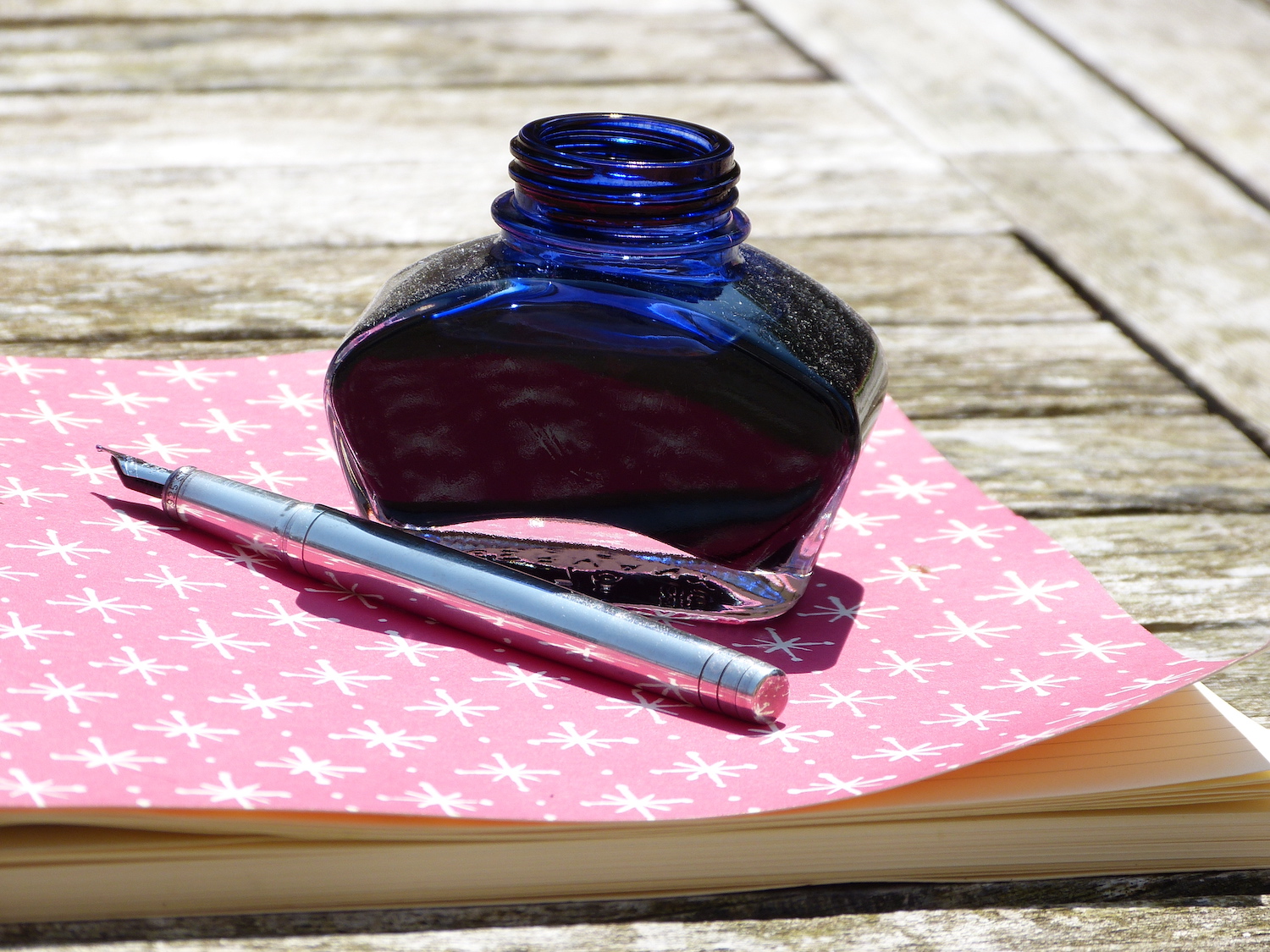
The scratch of pen against paper, and the flow of midnight ink. A rustle of turning pages, and the feel of a notebook against skin… When we write by hand, our senses get involved. It’s a tactile experience, involving texture and sound and even the evocative scent of the writing materials.
Contemporary authors have been known to write by hand. JK Rowling, for example, scrawled Harry Potter and the Philosopher’s Stone in notebooks in an Edinburgh café; Stephen King wrote Dreamcatcher by hand as a sort of pain-reducing therapy while recovering from a serious car accident; and Neil Gaiman hand-wrote Stardust, to help him to feel closer to that novel’s Victorian setting. All three novelists have continued to put literal pen to paper in later works, and they all use fountain pens to do so.
Why would any author opt for the relative messiness of an ink pot? Using a keyboard is generally much faster; you can move words around every which way in a document, and of course you don’t end up with ink-stained fingers. But tapping onto a keyboard does not please the senses in quite the same way. It seems that the extra effort involved in handwriting helps our brains to work differently, and that can be useful.
I have yet to write a full-length book by hand. Maybe, one day, I will. However, for every work in progress, I do keep a daily notebook. The jottings in it – about plot, and character, and dialogue that comes to me willy-nilly at any time of day and night – are hugely useful. They’re helpful for the creative process, and they bring contentment. When the nib touches paper, and the ink flows, I’m convinced that ideas flow too, in sensory and meditative ways.
How about you? Do you ever write by hand? And have you penned, or would you pen, an entire book by hand, inky fingers and all?
How to feel happy with solitude
27/05/2019 at 4:34 pm | Posted in Uncategorized | 2 CommentsTags: creativity, innermost feelings, meditation, reflections, travel, wellbeing
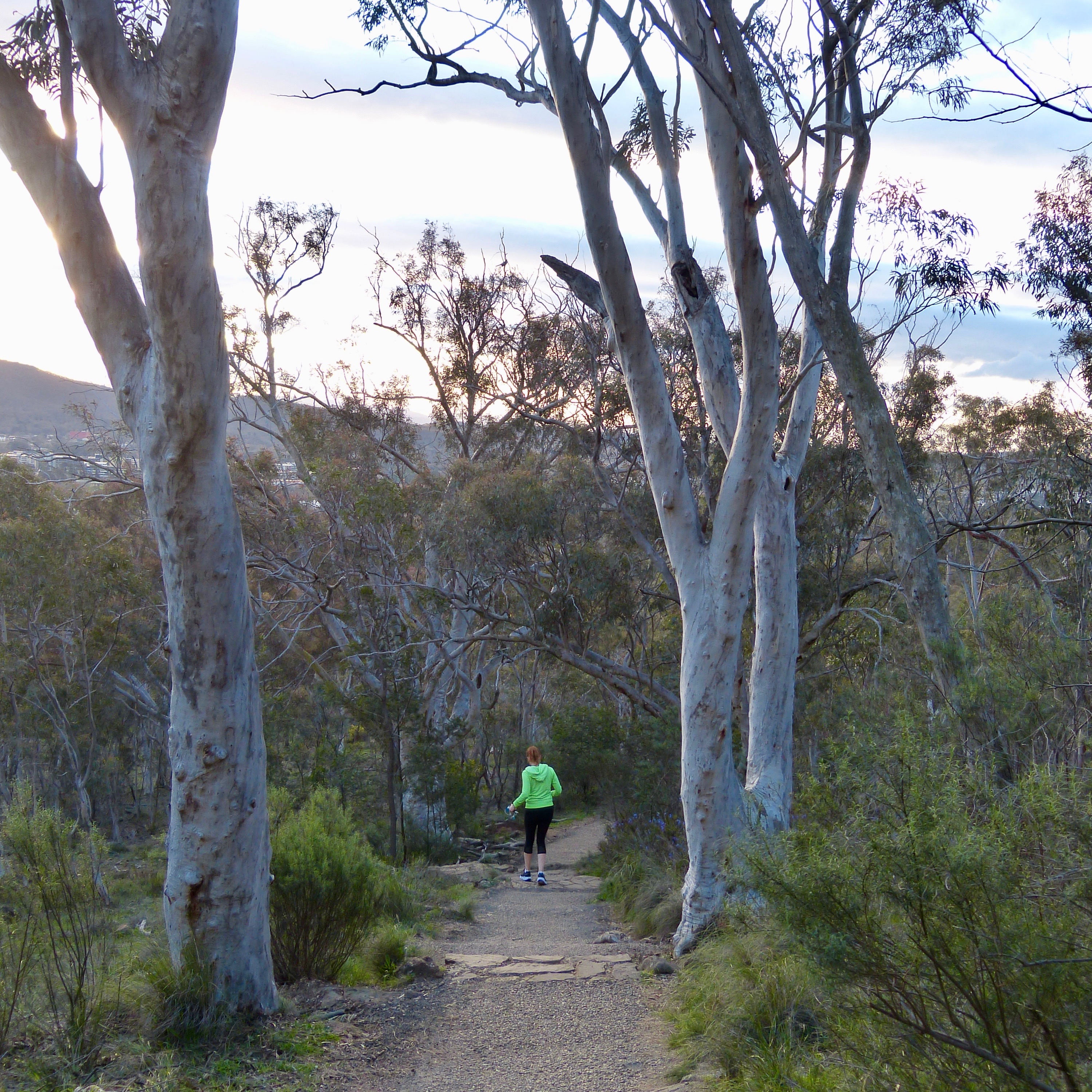
“Then stirs the feeling infinite, so felt in solitude, where we are least alone.” (Byron: Childe Harold’s Pilgrimage)
In June my meditation groups will be focusing on solitude. This is an edgy word: too similar to loneliness for some tastes. Yet, as countless creative people have found, something happens when you face up to silence and emptiness. If there is another way to write a book, a poem or a dissertation, I don’t know it.
I have travelled on my own, a little. At first I found it the loneliest thing. Like an orphan abroad, I kept looking for others who would see me in some role or other in relation to them. I was so used to being a partner, parent, daughter, colleague, friend. But in my travelling I had no role, beyond that of a stranger passing through.
Thank goodness, somewhere along the way there was a tiny ‘click’ in my awareness. I realised that solitude was never to be viewed in relation to absent people. It was a rich, full activity in itself. Then the emptiness of the moment became filled with insights. My mind was energised and I felt happy again.
Meditation, of course, is a way of reaching the infinite through solitude. But so is travelling, gardening, walking, running, swimming, even sitting in a café writing that book or dissertation. When you reach the point of truly inhabiting solitude, that’s when somehow you connect with the universe in its entirety. And that’s when you’re part of the flow.
Website Built with WordPress.com.
Entries and comments feeds.
 Suzanne Askham