The healing power of envy
22/02/2013 at 11:17 am | Posted in Healing, Inspiration, Uncategorized | 12 CommentsTags: healing, innermost feelings, inspiration, life skills, positive thinking
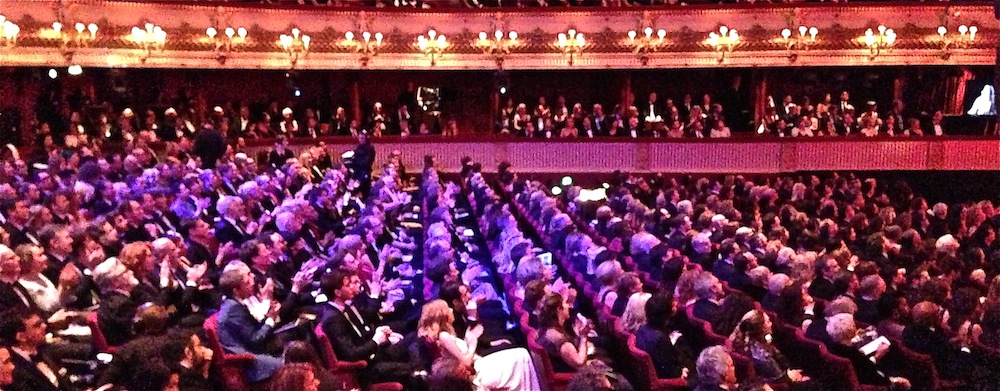
 Earlier this month I was lucky enough to tread the red carpet at the BAFTAs – the British version of the Oscars. I was there simply because my partner was invited. However much I like to think of myself as immune to star-spotting, I am not. It was huge fun to share a rain-soaked red carpet with George Clooney, Ben Affleck, Dame Helen Mirren and Marion Cottillard, among many others. It was fun when guests grabbed a spare BAFTA trophy and we posed for the camera. And sharing the photographs afterwards was all part of the pleasure.
A week later, I was sitting in my Wiltshire studio, facilitating a meditation group. We were focusing on the theme of forgiveness. After half an hour of silence, we swapped notes. A writer friend in the group, Claire, said something endearing. “I found it very hard to focus on forgiveness at the beginning of the meditation, because I just kept thinking how envious I was of Suzanne for going to the BAFTAs,” she confessed.
Everyone in the group laughed – it was a sweetly funny moment. But afterwards, it got me thinking.
The truth is, Claire and I are alike. Whenever I hear of someone’s good fortune, there is often some envy mixed up with delight. I am happy for them, of course. But there can also be a sense of being left out, like not receiving an invitation to a friend’s party.
Envy is said to be one of the Seven Deadly Sins; it’s an emotion we’re traditionally not supposed to feel. But we do feel it, so there must be some purpose to it. What purpose does envy serve?
After the meditation session, I decided to watch out for my next experience of envy, to see what I might learn. I didn’t have long to wait: it arrived with the morning post. Among the envelopes there was a programme for the upcoming Mind Body Spirit Festival in London. My eyes went straight to the workshops, and straight to the names of the facilitators. And then, I felt stirrings of envy.
The envy could only mean one thing: I would like to run a workshop at a large event like the Mind Body Spirit festival. But mixed up with the envy were stomach-churning feelings of inadequacy and fear. There was a mouse-like element to the fear that seemed to be saying in a firm yet squeaky voice: “It’s safer to stay at home.”
The wisdom of envy
I focused in on the envy again. And deep within its energy I found these words: “Remember who you are.” And then I realised that the spiritual purpose of envy is to help us to stay on our own unique path. That path does, for sure, take us out of our comfort zone. It may be a hard path, and the only way we can do it is one step at a time. I realised that envy was telling me to quit dreaming and start doing what was required – one step at a time.
It occurred to me that many of the speakers at the Mind Body Spirit Festival workshops have written books on their subject – some of my envy lay in that direction. I am indeed in the process of writing one, on the brand of intuitive meditation that I share with others – but progress is slow. And then I realised that I need to schedule regular, daily time to my project. It’s the only way I will complete it.
In a few weeks’ time I’m doing a talk on intuitive meditation in a local town. Someone has mentioned another great local group I might get in touch with. Each small step leads to the next. With the divine help of envy, I’m starting to follow my bliss.
Now it’s your turn. What do you, perhaps, feel envy about, and what might envy’s message be for you?
The good nurturing guide
09/03/2012 at 6:48 pm | Posted in Happiness, Healing, Parenting, Wellbeing | 9 CommentsTags: healing, life skills, nature, positive thinking, wellbeing

The author and youngest child, in baby-wearing days.
‘Nurturing’ is a very ancient word, and we all know what it means… don’t we? It’s about being loving, caring, helping young ones to grow and develop. But remove centuries of common usage, and we get a much simpler concept. This is it.
‘Nurture’, ‘nutrient’, ‘nourish’ and ‘nurse’ all come from the same ancient Proto-Indo-European root: ‘nu’, or ‘snu’. That root means, quite simply, ‘to flow, to let flow, to suckle’. The Sanskrit word is very similar: ‘snauti’ means ‘she drips, gives milk’. The ancient Greek is ‘nao’, meaning: ‘I flow’.
So to nurture means, literally, the act of giving milk to an infant. That is it – nothing else.
Why does this matter?
When you give milk to an infant, you give the milk, and that is it. True, you also look after the infant – the love and practical care you give them is extraordinarily important, and makes the difference between thriving and just surviving. It is right that we include that sense of loving care within our modern definition of nurturing.
But the actual act of giving milk – the ‘nu’ or nourishment – is one of letting go. The milk is an unconditional gift. You don’t expect the infant to do anything in particular with it. You anticipate that they will grow. But the way they do this is not in your control. Their own particular combination of genes and psyche will blend with environment to create a unique human being.
Nowadays, arguably too often, the concept of nurturing includes a sense of sculpting and shaping the young individual so that they grow up to be a properly socialised human. Parents feel a sense of responsibility to get this right. Well-meaning manuals and playground conversations collude to create the pressured sense that parents have an awfully big role which we are highly likely, regularly, to get wrong. As the English poet Philip Larkin put it so memorably in This Be the Verse: “They fuck you up, your mum and dad/ They may not mean to, but they do/They fill you with the faults they had/And add some extra just for you.”
These past weeks I’ve been working on the theme of nurturing with students and clients in my meditation studio. The pickle humans collectively get ourselves into over this word has become obvious to me. I have found two basic sub-themes.
One is a sense of not having being nurtured – emotionally and perhaps also nutritionally – as a child.
The other is a well-meaning and futile impulse to shape and sculpt young people who are way past the infant stage.
If we take ‘nurturing’ back to its original meaning, of giving milk – or sustenance, if you will – to an infant, then these two themes of profound human disappointment take on a different colour.
When we understand that the sustenance we received – flawed though it may have been – was an unconditional gift, then we realise that our own growth and flowering is ultimately up to ourselves and the laws of nature. We may choose to care for those aspects of ourselves that have been frozen in childhood patterns of trauma, want or need, and bring them to a more enlightened and happier adult reality.
When we understand that other adults do not need to be nurtured by us, it lifts the most enormous burden from our shoulders. Instead of trying to fix or rescue others, we give them the respect of one grown-up for another. And frequently we find that they do flower as a result of that respect.
Nurturing is a simple act that happens in the present moment, and then is gone. Once we have given it, we no longer own it.
Isn’t that a relatively carefree feeling?
Three Happy Moments Game
23/11/2011 at 8:17 pm | Posted in Happiness, Parenting, Uncategorized, Wellbeing | 1 CommentTags: affirmation, inspiration, life skills, positive thinking, success, wellbeing
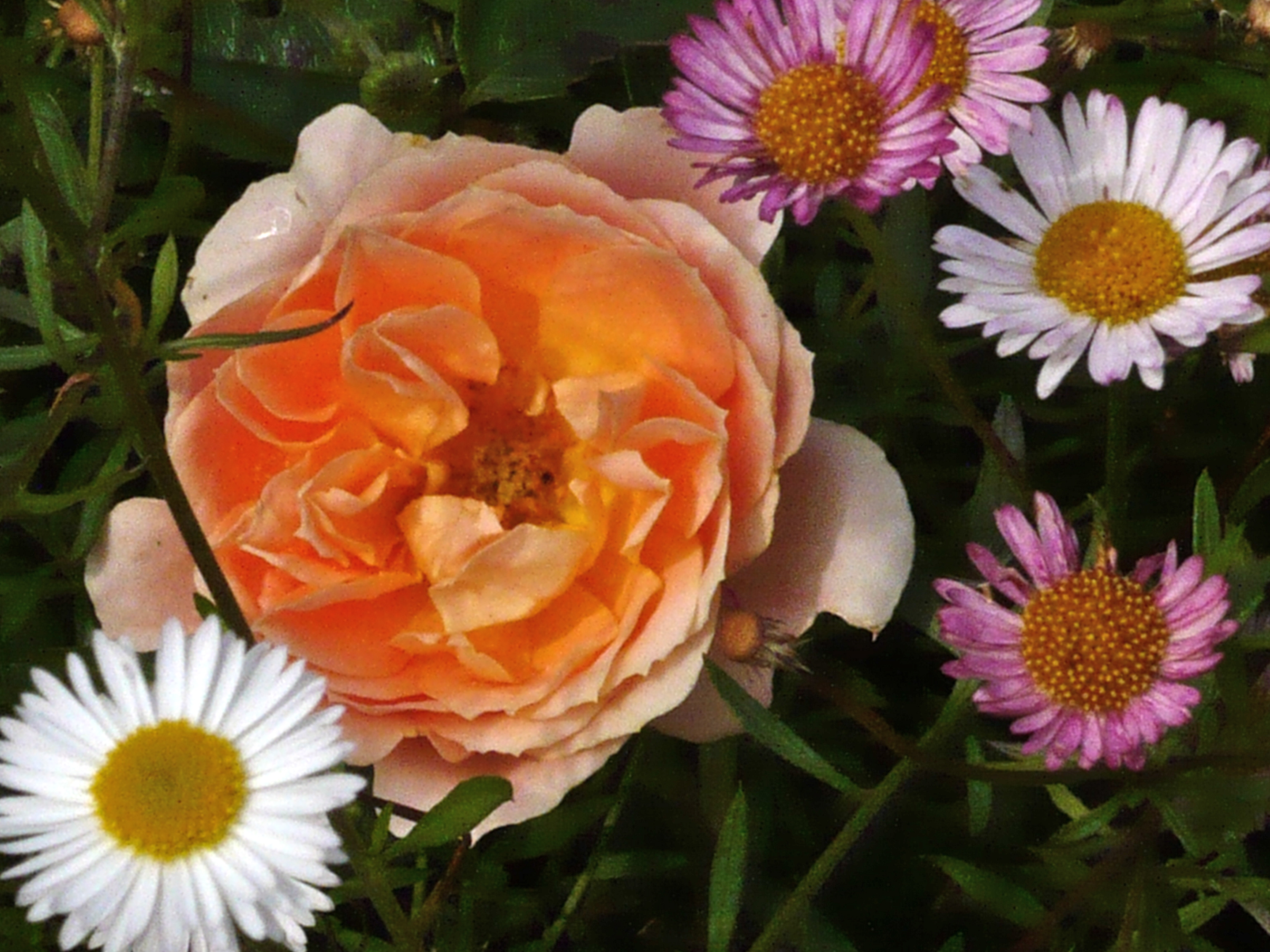
The unexpected fragrance of a flower as you pass by.
This is a great game to share with a child, partner or friend at the end of the day. And it’s guaranteed to make the toughest days seem better…
Simply take it in turns to share a first happy moment that happened during the day; then a second; then a third. Choose anything that comes to mind; they don’t have to follow chronological order. Here are some examples:
* seeing a tree with brightly coloured leaves, with the sun shining through them
* a letter containing good news
* thoughtful praise from a colleague
* sharing a laugh with a friend
* seeing your child’s face light up when you picked them up from school
* a blissful half-hour of meditation
* the unexpected fragrance of flowers as you walked by.
* a healthy work-out at the gym, or a yoga practice.
Over time, you get a very clear idea of the things that make you and your loved ones happy. And the more you focus on those, the more often those happy things happen. This is a win-win game.
Website Built with WordPress.com.
Entries and comments feeds.

