Embrace Nature: February Activities for Wellbeing
01/02/2026 at 10:32 am | Posted in Uncategorized, Wellbeing notes | Leave a commentTags: mental wellbeing, mindfulness, nature, nature inspiration, wellbeing
There’s a tree in my garden that has been shaped by south-westerly gales, like those wind-twisted trees you see in places like Dartmoor. But my tree is not as hardy as its native cousins and might not have survived this long except for one simple fact. One year, somebody hung a bird feeder in its branches. Then another, and another, until that tree became a feeding post for countless winged visitors who by way of ‘thank you’ regularly fertilise the ground below. As a result the tree is strong and healthy, and gives a glorious display of flowers and fruit each year (the fruit being its own ‘thank you’ to the birds).
So that’s the first of three soul-nourishing things to do in February: hang a bird feeder, or another bird feeder, in a favourite tree.
Second is to go forest bathing, aka walking in local woodland. February in England, we get to see the first shoots of wild garlic, while heavenly drifts of snowdrops are at their peak. If you’re looking for walking companions, The Ramblers are a good resource across the UK.
Third is to apply nature’s seasonal messages to yourself, on the basis that we are, of course, as much a part of nature as those early spring flowers. What, in you, is just beginning to bud or unfurl? Perhaps in your heart of hearts there’s something you’d love to create, but self-doubt has held you back? According to nature’s calendar, now is the perfect time to take that vital first step.
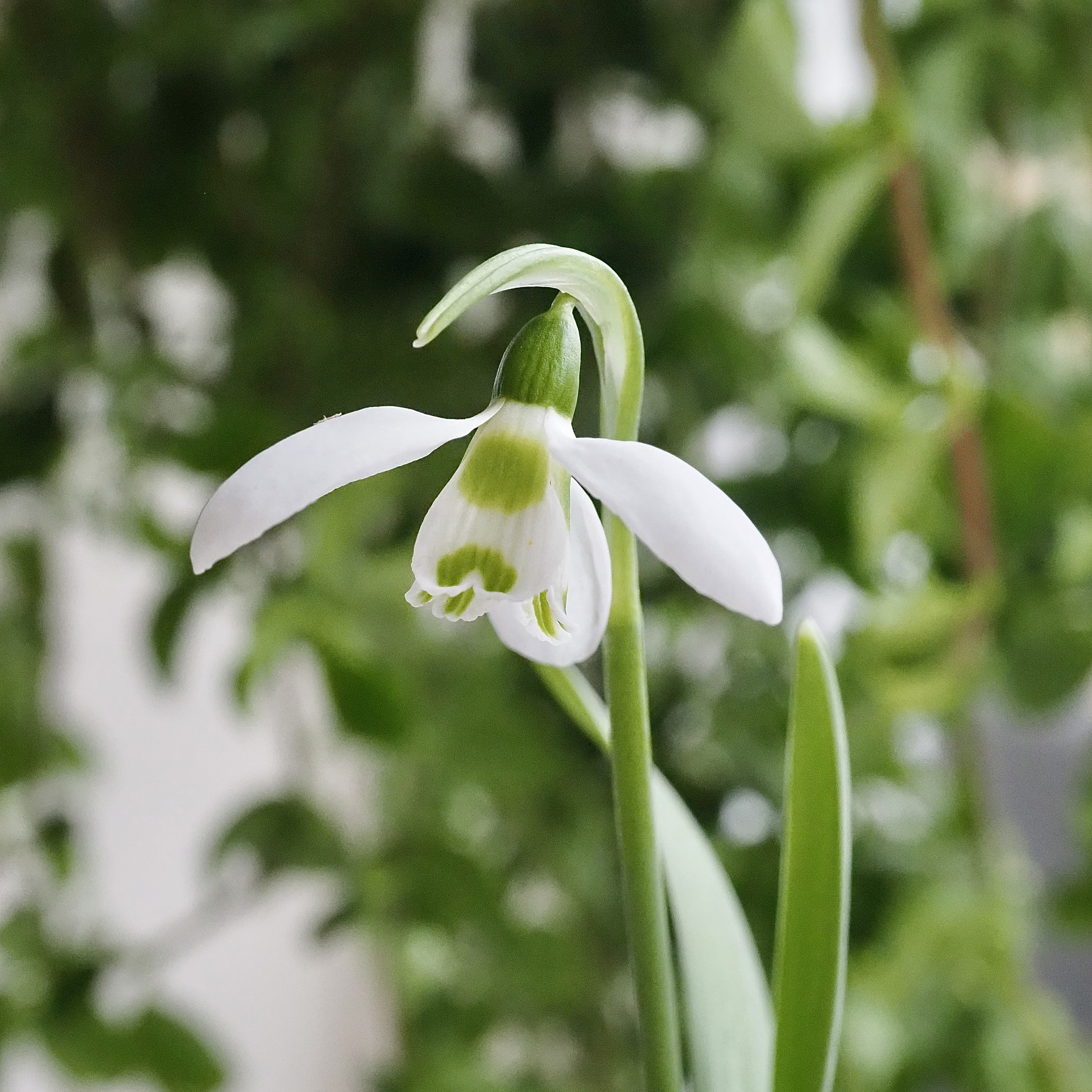
Picture: Snowdrop, Galanthus elwesii
Your Unique Pathway: Reflecting on 2025 with Stepping Stones
01/12/2025 at 11:17 am | Posted in Inspiration, Uncategorized, Wellbeing notes | Leave a commentTags: Guidance, inspiration, life skills, mindfulness, self-reflection, the year gone by, wellbeing
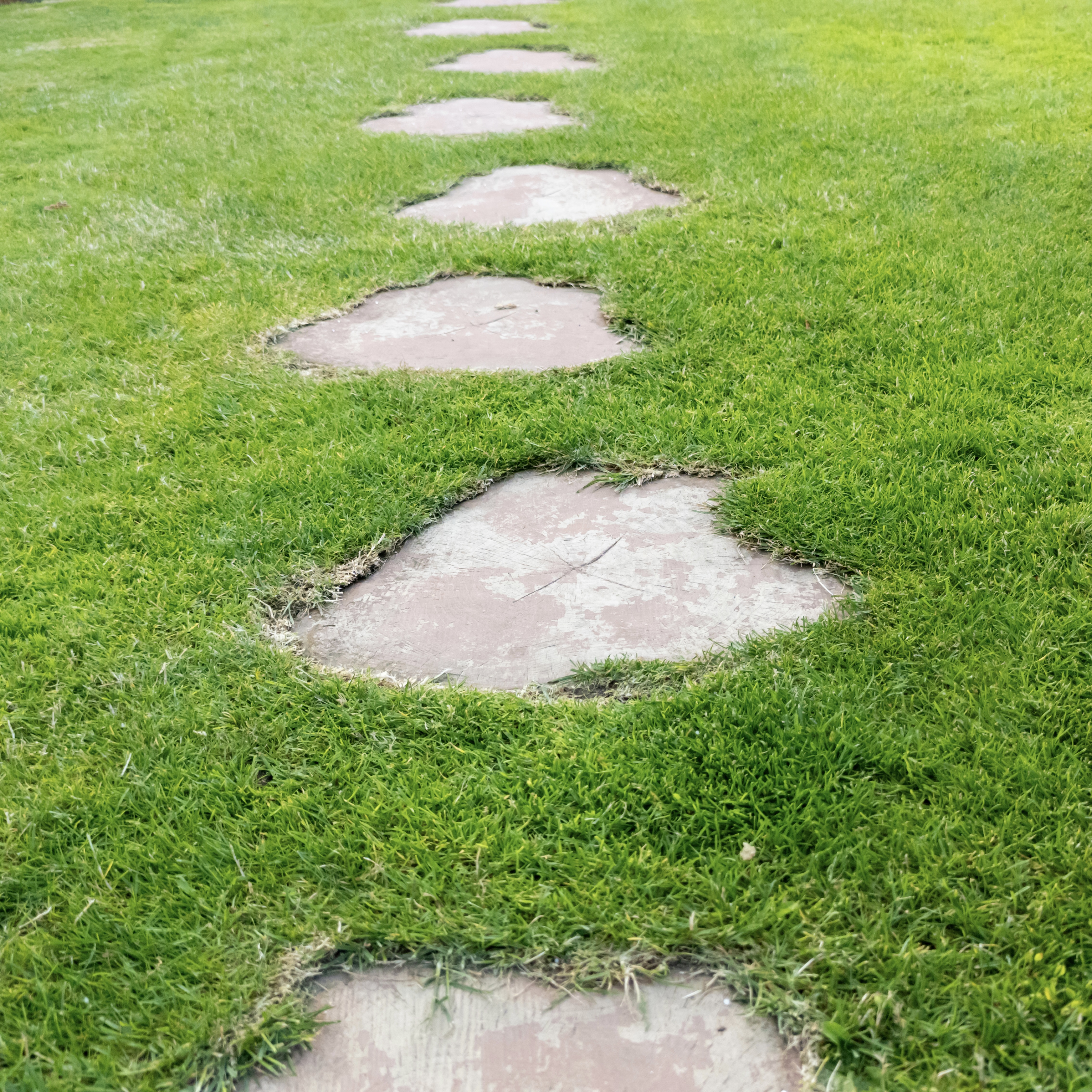
To do’ lists can go on a bit. All those tasks we’re supposed to fit into our day can sometimes feel quite onerous. In their place, a creative friend of mine draws irregular circles across the page, to represent stepping stones. Each wobbly shape contains an achievable task; together, they form a pathway.
Since we are now in December, this is my invitation to you to reflect on the year that has been, by drawing your own retrospective stepping stone pathway through 2025 – no artist skills required. What were the major life events that happened over the past 12 months? Happy, sad, or somewhere in between, these events probably helped to shape your entire year. Now, can you name a few smaller achievements – personal or family triumphs? Maybe there were some projects that turned out to be quite tricky to navigate. Let each memorable event have its own stepping stone, until you’ve drawn a pathway across the whole of 2025.
Once you’ve drawn your pathway, you might like to colour it in. Let your stepping stones be full of bright hues.
Seeing your progress through the past year can be a useful tool for reflection. What lessons, skills and gifts do you now have as a result of your journey? How have you changed, or developed, as a person? Remember, above all, that your pathway through 2025 has been as unique, and wonderful, as you are.
Journey of Geese: Embracing Change and Adventure
01/11/2025 at 12:42 pm | Posted in Uncategorized, Wellbeing notes | 1 CommentTags: Guidance, healing, inspiration, life skills, meditation, mindfulness, nature

The path along Cocklemore Brook gets a bit muddy at times. Pretty, but muddy. The other day I was tiptoeing over damp autumn leaves when a noise overhead caused me to look up. Geese, honking in formation – flapping heavy wings in a tired ‘V’ shape they likely maintained all the way from Iceland, Greenland or beyond.
There’s something rather soulful about the noise of flying geese. How do they manage to sound both mournful, and adventurous? Perhaps I’m dwelling on this right now because my daughter has recently gone to the other side of the world, and she won’t be back until the geese have returned to their homelands, hatched their young, and started gathering for their next winter in the British Isles.
There is a wrench somewhere around the heart when a loved one is absent. Yet it’s not all sad, because I’m happy for my daughter to stretch her own wings: to enjoy a new adventure and become more independent.
The urge to travel is no doubt deep within humans, as much as it’s within those tired geese overhead. If we can’t, or choose not to, cover physical distance, we can always use our imaginations. Perhaps that’s why the honking of geese as they fly is so evocative: it’s the sound of faraway places, heard within the comfort of our own neighbourhood.
Wellbeing notes: Let your inner child play this September
01/09/2025 at 11:16 am | Posted in Uncategorized, Wellbeing notes | 2 CommentsTags: Chippenham, hooping, inner child, libraries, play, reminiscence groups, wellbeing
Yes, we’ve long moved on from the days when librarians told you to ‘hush’ in the library. But for older people like me, the conditioning runs pretty deep. Which was why what happened last week felt so very liberating.
The Thursday Club, which meets in Chippenham Library, was set to discuss ‘Favourite forms of exercise, then and now’. Well, in the middle of the session, in a nice space between biographies and cook books, we all got up and took turns hula hooping. Even the librarians had a go. There was so much laughter. And afterwards, one of the group members took us through some simple line dancing moves, which hadn’t been planned but certainly added to the fun.
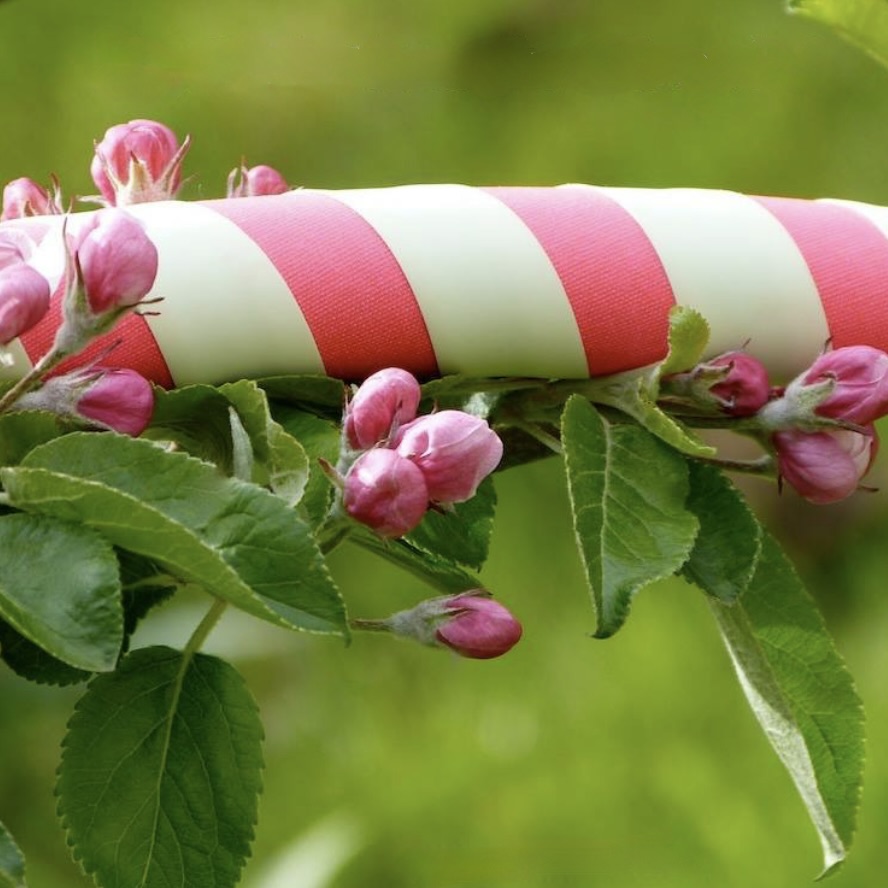
Hula hoops, like the one shown here, carry the magical ability to make the person using them smile or even laugh, and it seems that line dancing has a similar effect. Maybe the laughter, the sheer feeling of wellbeing, isn’t in fact down to the hoop, or the dance steps. Maybe it’s simply because we’re having fun, we’re playing, in the company of friends old and new. It’s in those moments that our inner child emerges – because whatever age you might be chronologically, in the very heart of you lives your child-self, the being who loves to play, explore and generally have fun.
This September, how might you let your own inner child out to play?
Wellbeing notes: Season of hope
01/02/2025 at 9:56 am | Posted in Uncategorized, Wellbeing, Wellbeing notes | Leave a commentTags: daisies, Guidance, healing, inspiration, Mind body spirit, mindfulness, natural cosmetics, nature, wellbeing
These weeks, right now, when winter is sliding muddily into early spring… there’s no time quite like it. It’s not the most beautiful of seasons. And yet, with its sprinkling of snowdrops and ever lighter skies, there lies, embedded in our local landscape, the hope of warmer days.
As the heroine of Anne of Green Gables says, “Tomorrow is always fresh, with no mistakes in it yet.” And since we are only in February, there are plenty of tomorrows left in the year.
A pessimistic friend of mine is skilled at pointing out the many problems in the world. But perhaps when things look most dire, that’s when we have the greatest need for hope. Or, to put it another way, in places of darkness, the light of hope may appear to shine more brightly and become most meaningful to others. To nurture hope is a valuable survival skill. Hope brings no guarantee of success, or peace, or happiness – but it does say that these things are possible.
I love the words of the author Barbara Kingsolver, in her novel, Animal Dreams. ‘The very least you can do in your life is figure out what you hope for. And the most you can do is live inside that hope. Not admire it from a distance but live right in it, under its roof.’
May we all be safe, and well, and happy in our houses of hope this year.
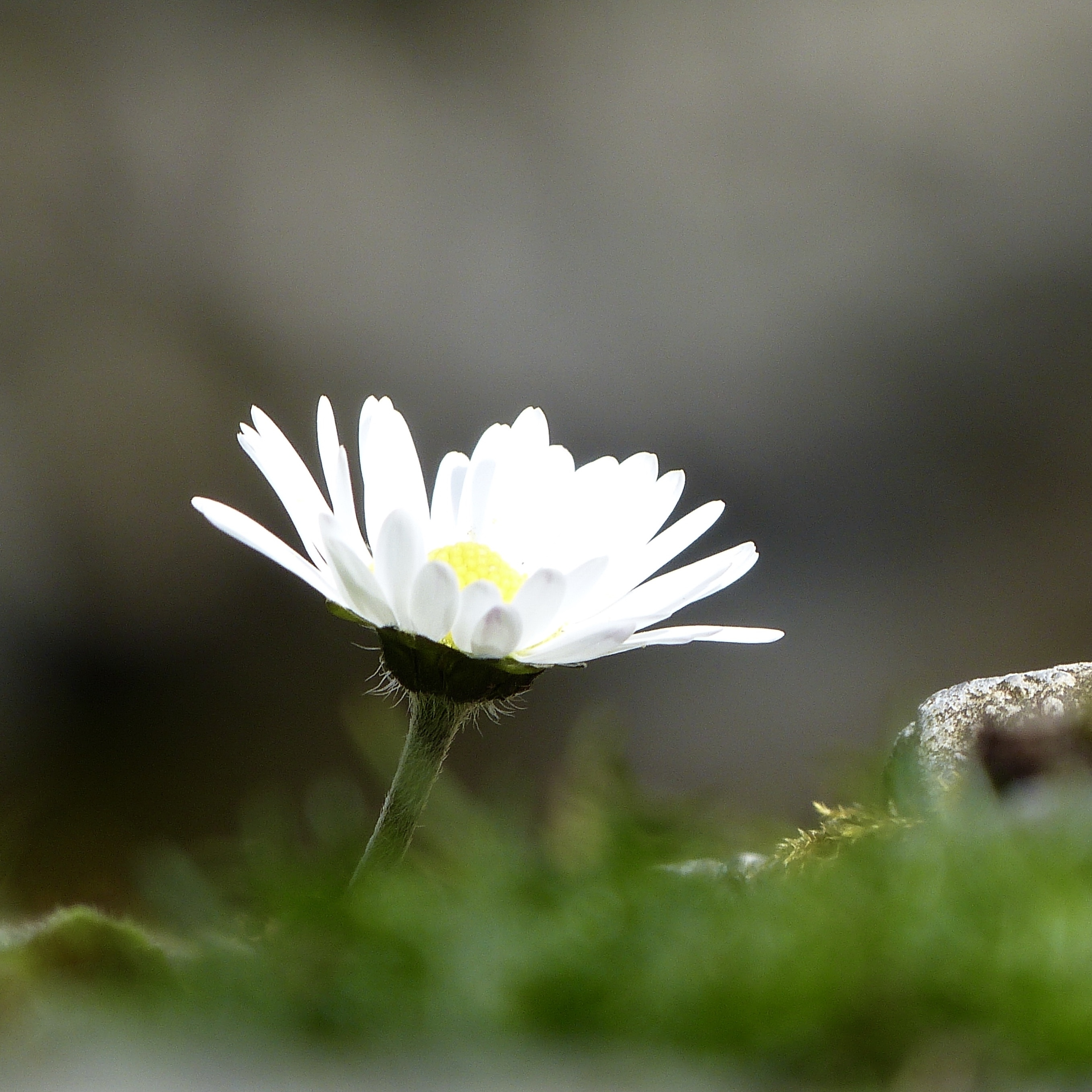
Note: the daisy pictured was photographed at The Burren Perfumery. This family business makes perfumes and skincare products inspired by its stunning surroundings on the wild, west coast of Ireland.
Wellbeing notes: when someone treats you badly
01/01/2025 at 9:59 am | Posted in Uncategorized, Wellbeing notes | 2 CommentsTags: advice, Family, healing, helping hand, relationship, self care, self-care, wellness
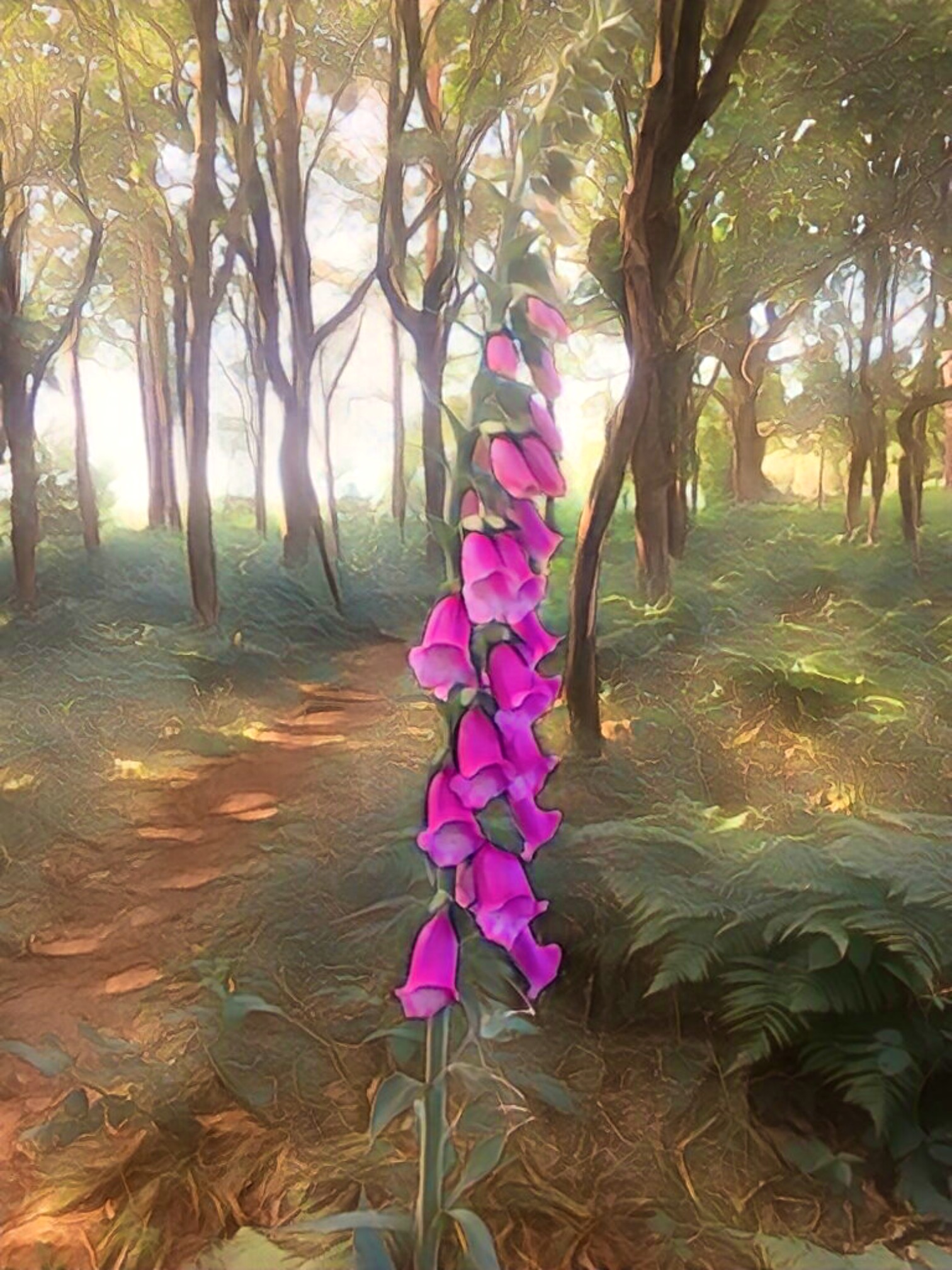
There are friends that you’ve known so long that they’re virtually family. And there are family members you like so much that they qualify as friends. All being well, they’re the bright flowers along our often bumpy path through life.
But what about the volatile ‘friend’, relative or partner, who offends, hurts or upsets you? The one who treats you in ways that aren’t respectful?
The festive season that we’re just emerging from has hopefully been full of loving kindness for you and yours. But it isn’t, unfortunately, that way for everyone. Prolonged proximity indoors with none of the usual excuses to step away may create the perfect conditions for tempers to fray and snap, and then, very possibly, keep snapping well into the new year. If you’ve ever been on the receiving end of such treatment, it can become extremely hard to forget the pain.
For many years my work meant that countless individuals confided in me about their troubled relationships. I learnt that there are many ways for one person to hurt or disempower another. I saw how, over time, a person’s self-esteem may suffer, making it even harder for them to step away from a toxic relationship. In a minor way, I have also been on the receiving end. Based on the above, non-expert experience, this is the approach that I’ve adopted along the way.
Stand your ground if that’s safe
You, and your wellbeing, matter. Always remember that. When a difficult person seeks to belittle you, it’s too easy to start feeling ‘less than’ – as though you somehow don’t deserve life’s basic human rights. But you do. You always do.
In situations where you feel verbally insulted rather than physically threatened, it might be helpful to remind the bully, “We don’t make personal comments.” There’s something about that schoolroom language that some people respond to. It’s also a good reminder to yourself that no one should become used to being insulted.
Don’t let yourself become isolated within the problem relationship. Step away. Talk to a sympathetic friend if possible. Just talking can help you to see your options more clearly.
Get help if you need it
It’s never okay for someone to physically hurt you. It’s always a good idea to quit a situation like that ASAP. Here are some useful organisations who can help you to arrange a route to safety should that become the best option.
• For women and children who are being abused in the UK, contact Refuge or phone the National Domestic Abuse Helpline, day or night, on 0808 2000 247
• In England and Wales, if you are being abused verbally, physically or through coercive and controlling behaviour, contact Victim Support or phone their helpline, 24/7, on 0808 16 89 111.
• Safe Spaces are safe, confidential rooms where victims can take some time to reflect, access information on specialist support services or call friends or family. Safe Spaces are available in Boots, Morrisons, Superdrug and Well pharmacies, TSB banks and independent pharmacies across the UK.
More sources of help nationwide can be located through gov.uk.
Good friends can become family and family can be good friends. But if such relationships ever threaten to cause you harm, please remember that you and your wellbeing matter. And that there’s always someone who can help.
Wellbeing notes: Banana bread/tray bake recipe
01/02/2024 at 11:40 am | Posted in Uncategorized, Wellbeing notes | 2 CommentsTags: hygge, imbolc, recipe, simple pleasures, wellbeing
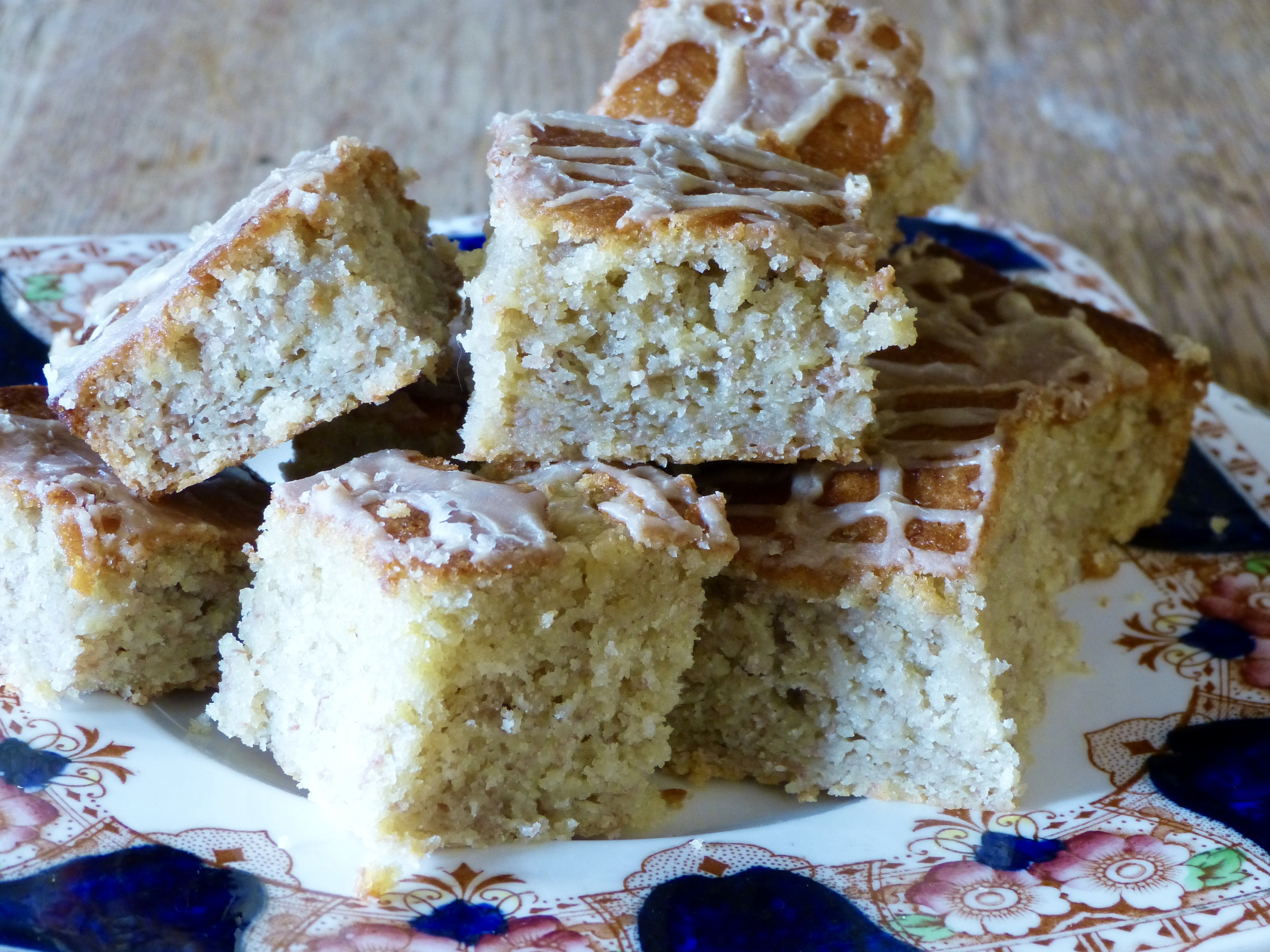
There’s something about February. The land is just beginning to warm up, the days are becoming longer, and the snowdrops and aconites in nearby Lacock Abbey gardens are splashing the ground with beauty. After a bracing walk outdoors, it’s the perfect time to enjoy simple home comforts – including, very possibly, some easy baking.
One of my family’s favourite everyday recipes is banana bread. The version we like best comes from BBC Good Food. All you need is 140g each of butter, sugar and self-raising flour, two eggs, one teaspoon of baking powder and – of course – a couple of very ripe, mashed bananas.
Instead of the caster sugar that the BBC recipe calls for, we make use of whatever sugar is in the kitchen: granulated, or perhaps soft brown. We’ve discarded the old loaf tin in favour of a silicon, traybake mould –18cm x 18cm – which bakes quicker. When it’s out of the oven we drizzle it with around 70g icing sugar dissolved in a few teaspoons of water. And, as soon as it’s cool enough, we cut it into springy, fragrant squares roughly the size of a cupcake. There should have been more slices to include in this illustrative photo, but half of them were eaten straight away!
Banana bread is a great example of kitchen therapy – simple dishes, made mindfully, can be hugely soothing to the cook. The traybake pictured here was made during stormy weather, and the contrast between howling winds outside and cosy domesticity indoors is something to be cherished.
Wellbeing notes: Embracing wabi-sabi
01/11/2023 at 2:26 pm | Posted in Uncategorized, Wellbeing notes | Leave a commentTags: healing, inspiration, life skills, meditation, mindfulness, time passing, wabi-sabi, wellbeing
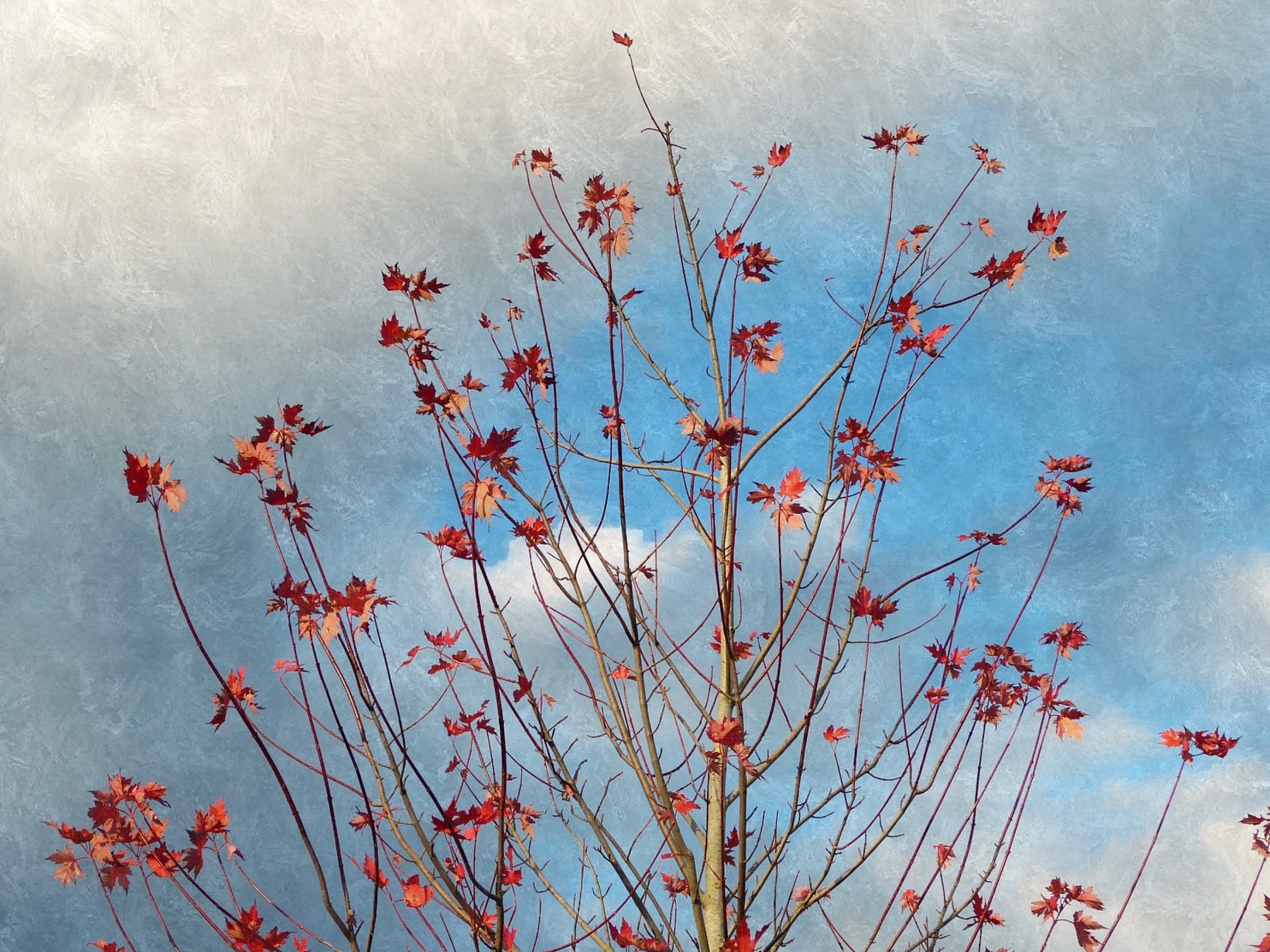
November is not a famously pretty month. Though autumn leaves are stunning, they won’t be around for much longer. The nights are getting longer, and the land colder… and that, in a nutshell, is why November is a great month to enjoy the Japanese concept of wabi-sabi.
Wabi-sabi is a philosophic outlook that accepts the imperfection of beauty. Wabi-sabi recognises that nothing lasts, and yet nothing is ever truly completed. Leaves in late autumn are a perfect example of this. A growing season has finished… and yet the trees will burst into new life in the new year.
There’s a sweetly melancholy element to wabi-sabi, inviting us to experience the sadness of beauty as it fades away. To face up to this – to accept that real life does not come air-brushed – is a form of mindfulness, which can lead to a healthy acceptance of ourselves in this moment. The message of wabi-sabi is that it’s okay to age; and it’s okay to feel sadness for what has been and now is gone. When we accept the melancholy, we are also accepting that the scars we gain through life are a valuable part of who we are. In our imperfection lies a different, rarer kind of beauty.
So I invite you today to look at your world through the principles of wabi-sabi. What, or who, embodies the subtler kind of beauty that comes through imperfection? What, or who, deserves cherishing?
Fiction notes: This is why libraries matter
15/10/2023 at 11:24 am | Posted in Fiction notes, Uncategorized | Leave a commentTags: fiction reading, libraries, local community, reading community, reading inspiration, small town

Yesterday I discovered that my local library was built on the site of a long-vanished Royal palace. On the outside, the building is an unremarkable, 20th Century design. But inside, it’s sheer magic. There are stories to lose yourself in, factual books to learn from, and a huge digital resource of free knowledge and entertainment.
In the library, children develop life-long reading skills which increase their opportunities to thrive. Older people come for company, for fiction, and to learn something new. As a free community resource, there’s always something going on: rhyme time; board games and hot chocolate; book clubs, home library deliveries…
When I recently returned after a long absence, I wondered why I’d stayed away. The reason, I decided, was a bad habit of handing books in late, and having to pay a fine. But nowadays there’s an app for that! You receive a polite reminder, and an invitation to renew with a simple button-touch.
Friendly, inclusive and educational, public libraries deserve to be cherished. In an era which has seen hundreds of library closures, a thousand redundancies and reduced investment in stock, we can unfortunately no longer take these wonderful places for granted.
My local library is quite simply a treasure… and from this point on, through being a member and also volunteering there, I’m doing my bit to support it.
Fiction notes: Every bookish person needs a tote
15/08/2023 at 9:10 am | Posted in Fiction notes, Uncategorized | Leave a commentTags: Amor Towles, bookish, fiction reading, Maggie O'Farrell, one book at a time, reading community, TBR pile, wellbeing

Some days are manic. There are so many demands on my time, it’s hard to focus on just one thing. So I write lists and action plans and those help. But what also helps is a book tote. A book tote, in the right circumstances, can be a pocket of calm within a hectic life. Open the tote and, aah, the pleasure of reading emerges.
This is currently my favourite tote, found recently at Waterstones in Bath. That day, I bought one book, and popped it inside to carry it home. And I’ve repeated the exercise several times since then.
The key point is this: in a busy life, recreational reading can seem like a waste of time. But it never is. Reading fiction in particular brings new ideas, fresh insights and a dose of escapism. If you’re bookishly inclined, reading is a necessary luxury that recharges you for the manic times. A tote of stories brings respite from the daily grind.
My tote is designed purely to carry books – just one or two or maybe three at a time. That moment of putting a new volume in the bag brings a breath of calm, a sigh of relief, and the prospect of a mini-holiday from other commitments.
It’s important not to to over-stuff my book tote. Yes, I have a giant TBR pile at home but that, while a wonderful thing, can bring pressures of its own: I should have read this, I should have read that. In contrast, the book tote only contains what I might read in a week or so. And therefore, I often do.
Currently my tote contains A Gentleman in Moscow by Amor Towles and The Vanishing Act of Esme Lennox by Maggie O’Farrell. Both, curiously, feature sequestered lives, something I’m both drawn to and repelled by. The incarcerated characters in each novel cannot choose freedom. But moments of optional solitude – just me with a book, enjoying a mini-break from my crazy schedule – now they can be wonderful.
Do you have a book tote for selected, pared down reading? Or do you have another method of creating pockets of fiction reading in an often busy life?
Website Built with WordPress.com.
Entries and comments feeds.
 Suzanne Askham