The secret of simple
06/04/2015 at 6:17 pm | Posted in Uncategorized | 2 CommentsTags: craft, happiness, inspiration, life skills, meditation, mindfulness, personal growth, pre-history, wisdom
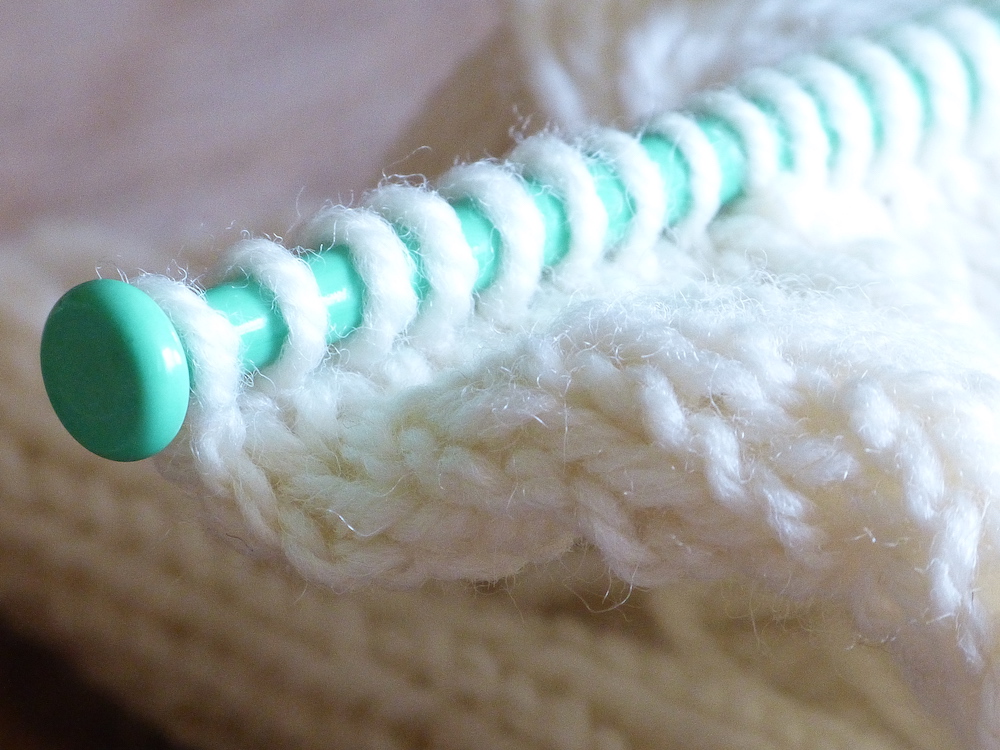
Yesterday I started knitting again for the first time in over 30 years. I had a pair of vintage green needles, and some hand-me-down Aran wool, and some good female company: mother, niece and daughter.
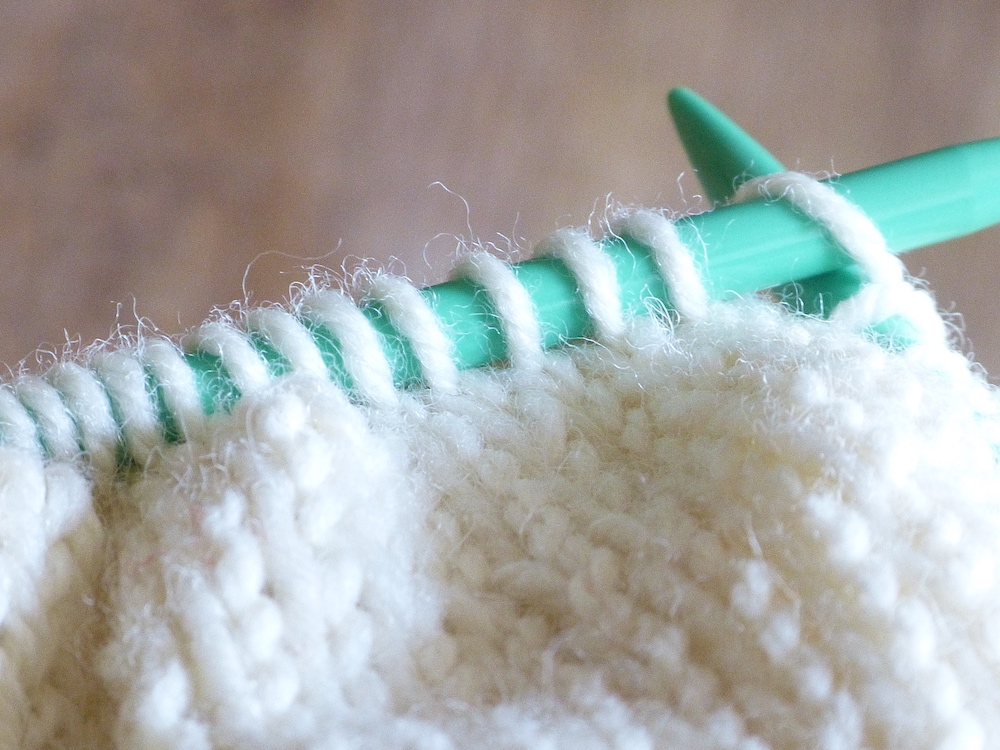
To my surprise, I quickly fell into a peaceful rhythm of softly clicking needles. There was a satisfaction in knowing that a very simple garment – a scarf, or snood – was being made. Something soothing was happening to the neural pathways of my brain as I repeated the same intricate knotting movement over and over. It reminded me of the repetitious nature of meditation, and how that creates a pool of calm in the mind. But there was something else too.
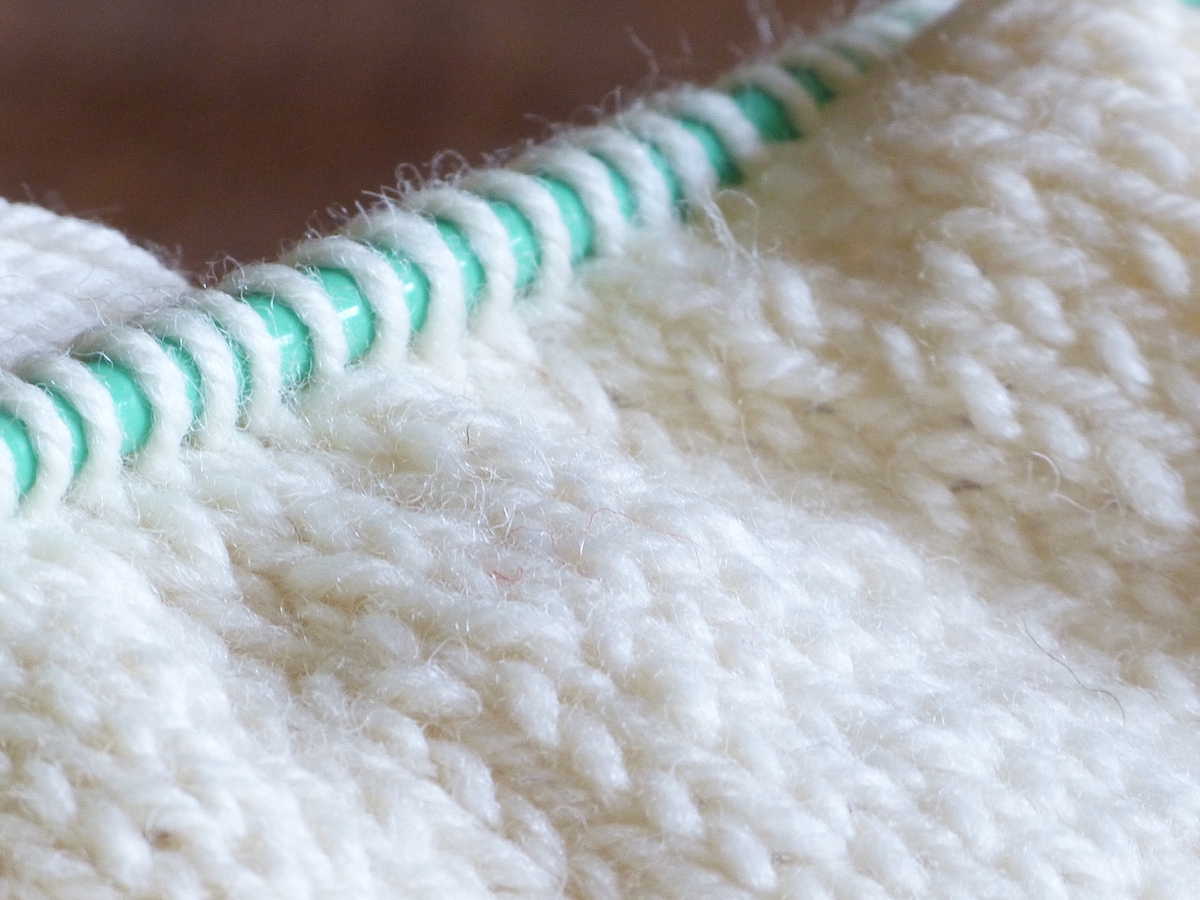
It was as if the endless knotting was tapping on the door of an ancient racial memory: of women making garments with the simplest of tools: needles of wood or bone. In clothing their families, they were also creating the fabric of society, through the mingled act of cloth-making and conversation.
I thought, then, of the times I have been caught up in the hamster wheel cycles of a ceaselessly questioning mind. And I understood that doing the simple things that pertain to survival can help any of us stay sane. I’m talking about activities like making bread by hand; or building and lighting a fire; or sowing and growing lettuces to eat… or, of course, creating a garment with two softly clicking needles.
What is your choice of simple today?
A rose for hard times
31/03/2015 at 7:52 am | Posted in Uncategorized | 4 CommentsTags: flowers, happiness, healing, inspiration, life skills, meditation, nature, parenting, positive thinking, special needs, visualization, wellbeing
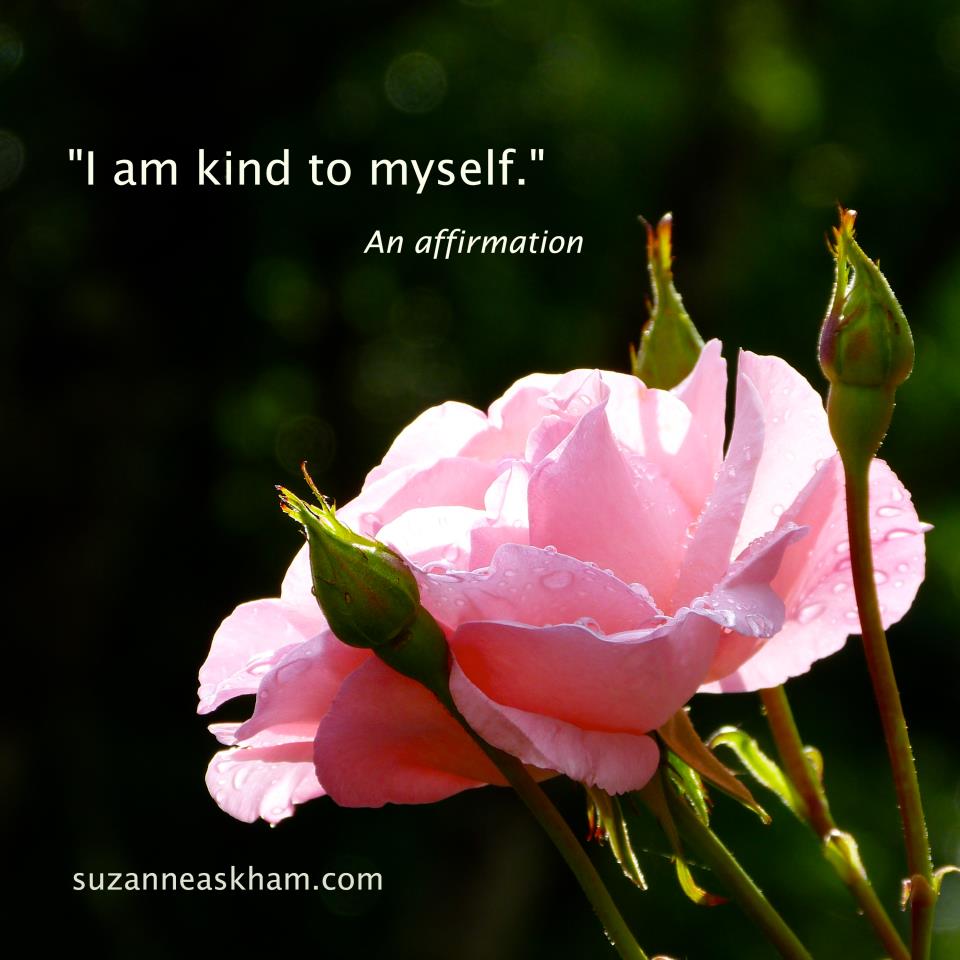
There’s a simple meditative technique we can use in hard times. I call it the Rose Meditation. You can do this anywhere: cleaning the house, ploughing through work, undergoing medical treatment, in a high-voltage meeting….
All you do is this: focus, in your mind’s eye, on a rose. The example shown here was photographed after rain, in the sunshine of the Dordogne.
Picture the feather-light, velvety smoothness of the petals. Imagine yourself miniaturised, resting between the scented petals as though they are the softest bed in the world. Breathe in their heavenly fragrance.
Notice the variations in colour between the inner and outer petals. Absorb the beautiful colours with every cell of your body.
Touch the raindrops; taste their sweetness.
Explore the petals, going inward towards the nectar, and outwards again towards the sun and fresh air.
Do this visualisation any time you feel the need. The rose contains powerful therapy, and simply thinking about it in this way can be soothing, and healing.
Why ‘eternal’ is the new ‘now’
23/03/2015 at 6:25 pm | Posted in Uncategorized | 2 CommentsTags: Guidance, insight, inspiration, meditation, Mind body spirit, personal growth, self-awareness, self-development, Spirituality
 This week we’re focusing on the word ‘eternal’. It’s the final theme in our series, Adapting Mindfully to Change. The idea is that underlying the myriad worldly changes that we grapple with, there is a pure unchanging energy that we might call universal consciousness. It’s the realm of unity, and of our spiritual identity.
In this morning’s session the group was fizzing. The talk was of ‘rebooting’ after the global shift in energy from the Vernal Equinox, not to mention the recent solar eclipse, and the supermoon…. But then we did manage to sit in silence. We breathed in “I am” and breathed out “eternal”.
And that’s the thing. Simply doing this, and keeping on even though our minds are racing, does bring peace. It enables us to step off the hamster wheel of distracting thoughts and dramas.
In The Power of Now, Eckhart Tolle talks about having deep roots within – to connect consciously with our inner body, our essential energy. This is the essence of us that feels eternally young, however many calendar years we have. When we sit quietly with that energy, it is possible for the constraints of time to dissolve. We become fully present in the moment, aware that we are part of a blissfully soothing current of peace. If we look at our lives from the perspective of that peace, events appear like movies. We notice, almost lazily, that we don’t need to perpetuate the arguments and we can effortlessly forgive everyone, including ourselves, because actually there is nothing to forgive.
Tolle describes this as a divine reality. “What is God?” he writes. “The eternal One Life underneath all the forms of life. What is love? To feel the presence of that One Life deep within yourself and within all creatures. To be it. Therefore, all love is the love of God.”
We’re meditating on the word ‘journal’
05/03/2015 at 4:31 pm | Posted in Uncategorized | 2 CommentsTags: Guidance, innermost feelings, inspiration, journalling, meditation, Mind body spirit, parenting, personal growth, self-awareness, self-development, special needs, Spirituality
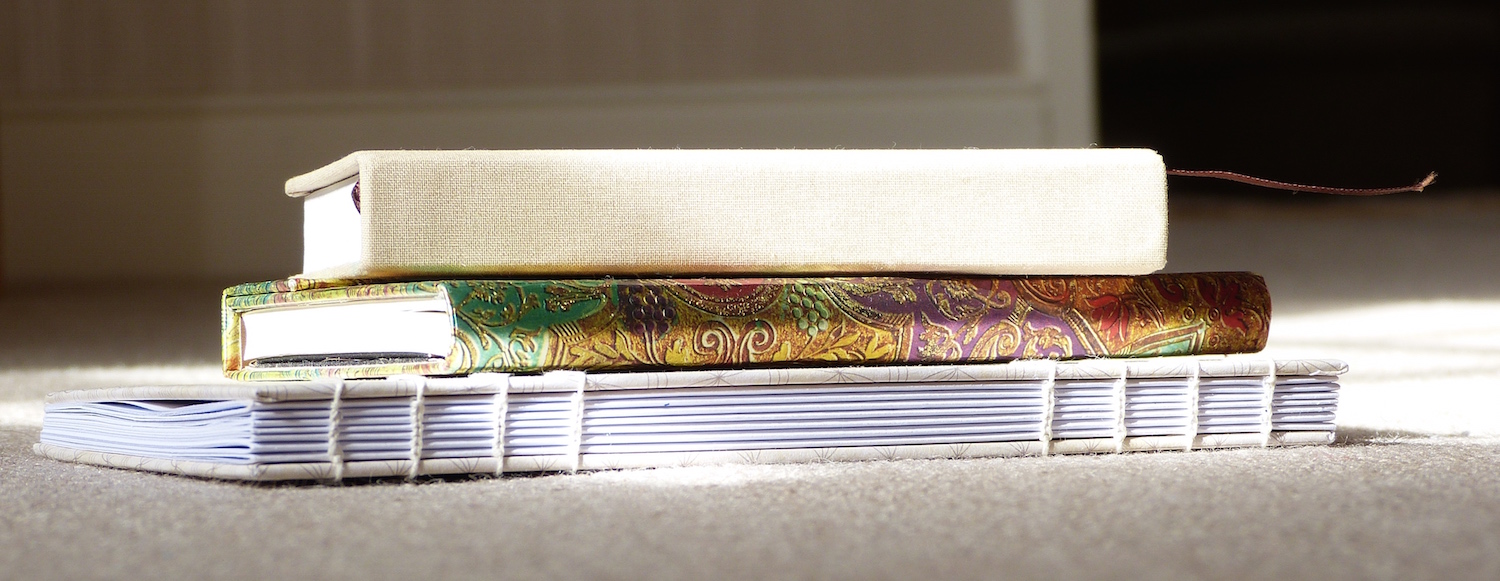
This week we’re meditating on the word ‘journal’. Many of us write journals. We love the act of buying a new notebook. There’s something gently intoxicating about the texture and scent of pristine pages. The writing itself is therapeutic. Often, it’s during the act of writing that we recognise how we actually feel. A journal, kept for decades, can even become a family heirloom.
And yet, even if we never put pen to paper, we are still recording life’s experiences, on the canvas of our own bodies. Habitual emotions are etched onto our faces through countless repetitions. Stored traumas alter the way we move our muscles and block the spontaneity of our movements. Happiness, in contrast, causes us to soften and glow. As Caroline Myss, author and speaker on human consciousness, has said, “Your biology becomes your biography.”
Meditating on the word ‘journal’ can be a challenge. We may not want to revisit the tricky times that are now indelibly recorded in book and body. Many of us would rather keep our life journals firmly closed. We may therefore feel resistance, even while we’re sitting still and trying to clear our minds.
However, there is a simple trick that can transform this meditation. I’d like you to picture, now, the brilliant white light that you can sometimes see emanating from a beautiful clear crystal, such as rock quartz. The light comes from a plane deep inside the crystal. Its beauty, shining from within, is a reminder of your own inner light. In your meditation, picture that light radiating from the pages of your journal, or from the canvas of your body.
It’s possible to see all of life’s events as though they were lit from within – with a soul light, if you like. From that perspective, it’s easier to recognise the gifts within a challenging experience, and also the new skills we’ve acquired from it, such as self-respect, wisdom and forgiveness.
We’re meditating on discovery
22/02/2015 at 4:16 pm | Posted in Uncategorized | 2 CommentsTags: gratitude, Guidance, inspiration, meditation, Mind body spirit, mindfulness, poetry
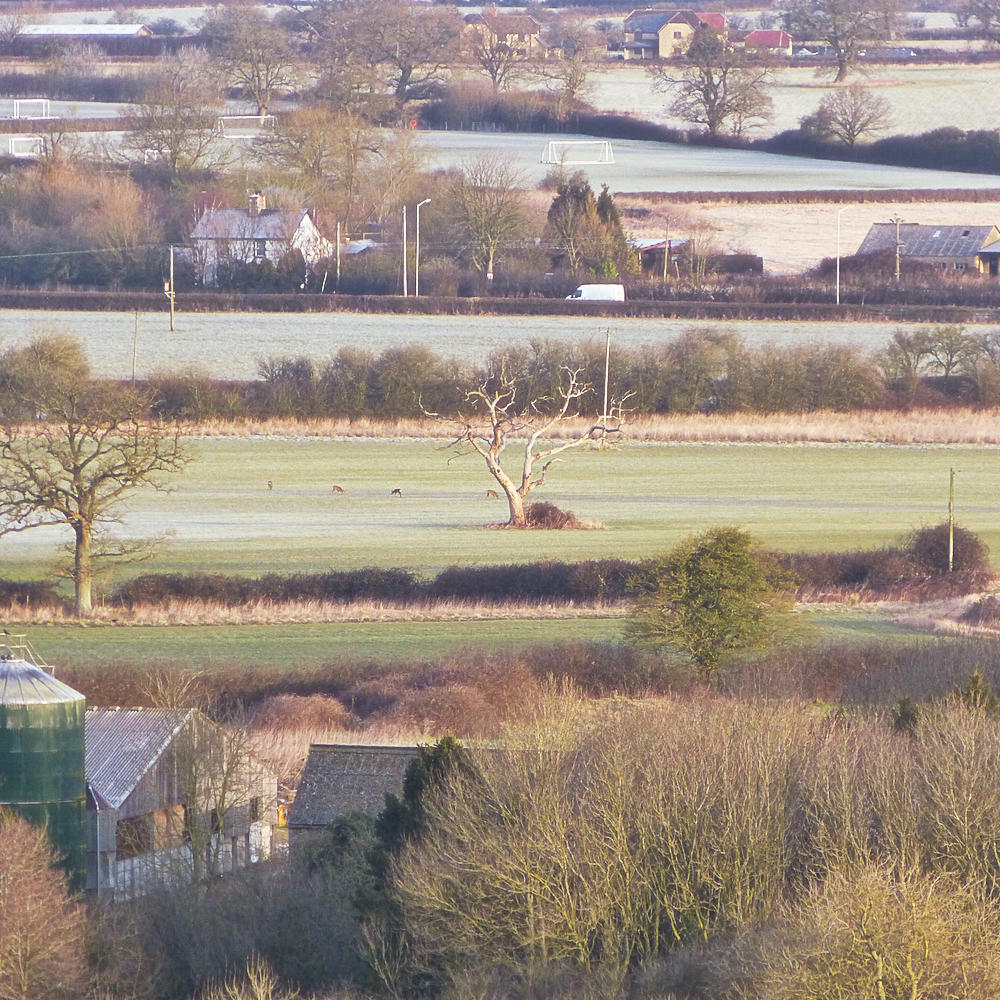
The word we’re meditating on this week is ‘Discovery’.
When we regularly sit down in quietness and allow the busy thoughts of our mind to subside, a clarity can emerge which spreads into every aspect of our life. We see things as though they are lit from the inside. We gain insights. This process of looking at the familiar and seeing it afresh is one of the best forms of discovery, and one of meditation’s great gifts.
The following is an example from this morning, when I simply looked out of a window, saw cars in the far distance, and understood on a deeper level that each vehicle contained a shining soul.
What discoveries will come your way today?
The Road to Calne
Shining beads glide
between fields of frost
under the rosy sky
of our potential.
~~~
Each bead, a soul
hiding from its light,
disturbed by the future,
wounded from the past.
~~~
If we dare see
how brightly we glow,
our heavy cloaks of fear
dissolve in the warmth.
The thing about gates
11/02/2015 at 9:35 pm | Posted in Uncategorized | 3 CommentsTags: Guidance, life skills, meditation, Mind body spirit, mindfulness, self-awareness
This week, in the studio, we’re meditating on the word ‘gateway’. And the thing we discovered on Monday is that there is no such thing as a half-open gate, not really. In the fields around the studio, a gate is either unlatched and open:
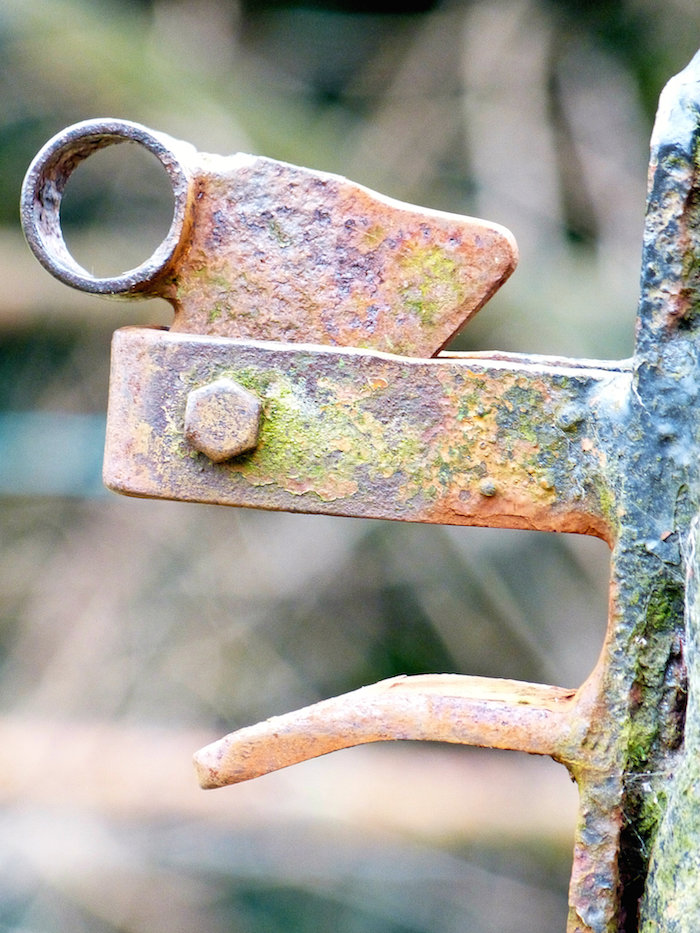
Or it’s latched and closed:

An unlatched gate in the country is designed to swing wide open. Cattle, sheep and people walk through. There are no half-measures. The gate is never just a little bit open. If it’s open, it’s open.
It all comes down to the latch.
When we are not living mindfully, we can kid ourselves that a gate along our own life path is open when it isn’t really. And because it isn’t really open, we never quite seem to get the job we want, or the partner, or the professional awards. We get frustrated, and can’t understand why we don’t progress.
Sitting quietly in meditation can help us to recognise that we haven’t actually lifted the latch and opened the gate to new opportunities along our path. We can also see the reason: we’re reluctant to leave the past; or we’re nervous about the future.
When we become aware of our conflicting emotions about progress, we can see more clearly how our own actions are keeping the latch closed. And then, we can mindfully choose to open the latch and walk through into the future.
Conversely, sometimes our boundaries are wide open. When that happens, we feel tugged by conflicting external demands; we don’t have enough rest time, or privacy. It can be useful then to sit quietly in meditation and tune into that gate latch once more. Why have we left the gate hanging wide open? What would happen if we closed the gate at least some of the time? That would mean saying ‘no’ to people. It would mean scheduling time in our diary for us. That would be a good feeling.
Intuitive mindfulness is a match made in heaven
03/01/2015 at 1:06 pm | Posted in Uncategorized | Leave a commentTags: Guidance, Intuition, meditation, Mind body spirit, mindfulness, peace, Spirituality, wellbeing
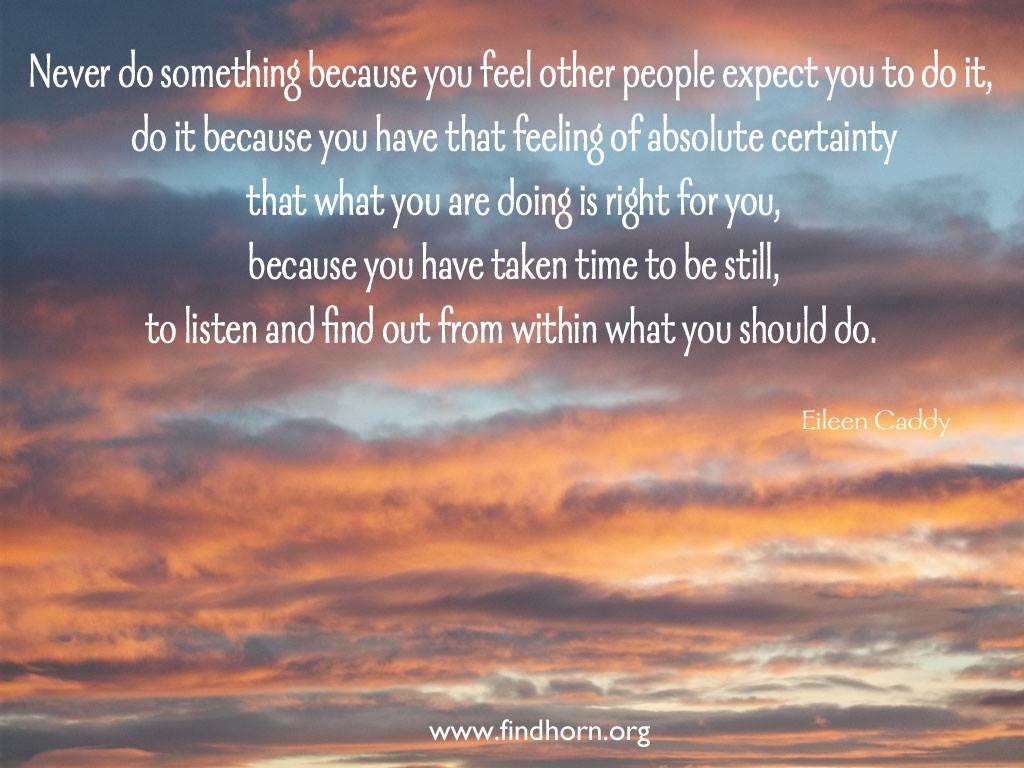
“Never do something because you feel other people expect you to do it, do it because you have that feeling of absolute certainty that what you are doing is right for you, because you have taken the time to be still, to listen and find out from within what you should do.”
The words are by Eileen Caddy, co-founder of the the Findhorn Foundation in Scotland. The poster here is shared with thanks to that spiritual community. Eileen Caddy’s book of inspirational writings, Opening Doors Within, was a major influence on me when I first thought about running meditation workshops in a Wiltshire studio.
The principle of noticing what you notice is central to mindfulness. When we are mindful, we focus on our breath, our pulse, the position of our body, the feel of the chair beneath us, the temperature of the air entering and leaving us, and so on. We notice what we are doing in the present moment, without rushing on to the future, or dwelling in the past.
When we mindfully wash dishes at a sink, for example, we take our time noticing the rainbow colours in the detergent bubbles, the feel of water against the surface of our hands, the sound and movement of dishes within a bowl of warm water.
As Thich Nhat Hanh teaches through his many writings on mindfulness, when we are fully present, we experience peace.
What is less widely talked about is that when we are mindfully present, we allow the quiet inner voice of our intuition to be heard. This is what Eileen Caddy understood fully, and Findhorn still encourages this in myriad ways today.
Noticing what you notice is an integral part of receiving intuitive guidance. Being mindful is essential if we want to understand what we truly feel, and the direction that we fundamentally wish to go.
Three guidelines for any group
07/12/2014 at 8:54 pm | Posted in Uncategorized | 1 CommentTags: Guidance, inspiration, life skills, meditation, Mind body spirit, Spirituality

These guidelines came to me a few years ago from Pierre Pradevand, author of The Gentle Art of Blessing. It was the start of a delightful weekend retreat in Derbyshire. I’m sure his three peaceful rules enhanced the atmosphere. Ever since, I have shared the guidelines with those who meditate with me, two or three times a week, in Wiltshire. Now seems a good time to share them here. They apply to any group situation.
1) Listen without judgement, in a supportive and caring way.
2) Respect confidentiality. If someone is telling you something of a sensitive nature, keep it to yourself, understand that this is a privileged moment. Do not talk about it later to others.
3) Own your own experience. Say, “I feel”, rather than “You feel”. It’s surprising how often we cut ourselves off from our own emotions by describing them as though they belong to the listener, rather than the talker.
Here is an example of the third guideline:
“When your children leave home, you feel sad,” says one speaker.
“When my children left home, I felt sad,” says another.
Can you feel how much more powerful and authentic the second sentence is? It’s also easier to empathise with the second speaker.
When we own our own experience, respect confidentiality, and listen in a supportive way without judgement, our corner of the world becomes infinitely more peaceful.
Welcome to the Studio
02/11/2014 at 2:18 pm | Posted in Uncategorized | 4 CommentsTags: artist, colour, craft, flower, inspiration, meditation, Spirituality, wisdom

This is the beautiful new glass window that visitors to the studio get to see. It depicts Star Gazer lilies. Around them are some of the key words that we meditate on: words such as ‘love’, ‘peace’ and ‘joy’.
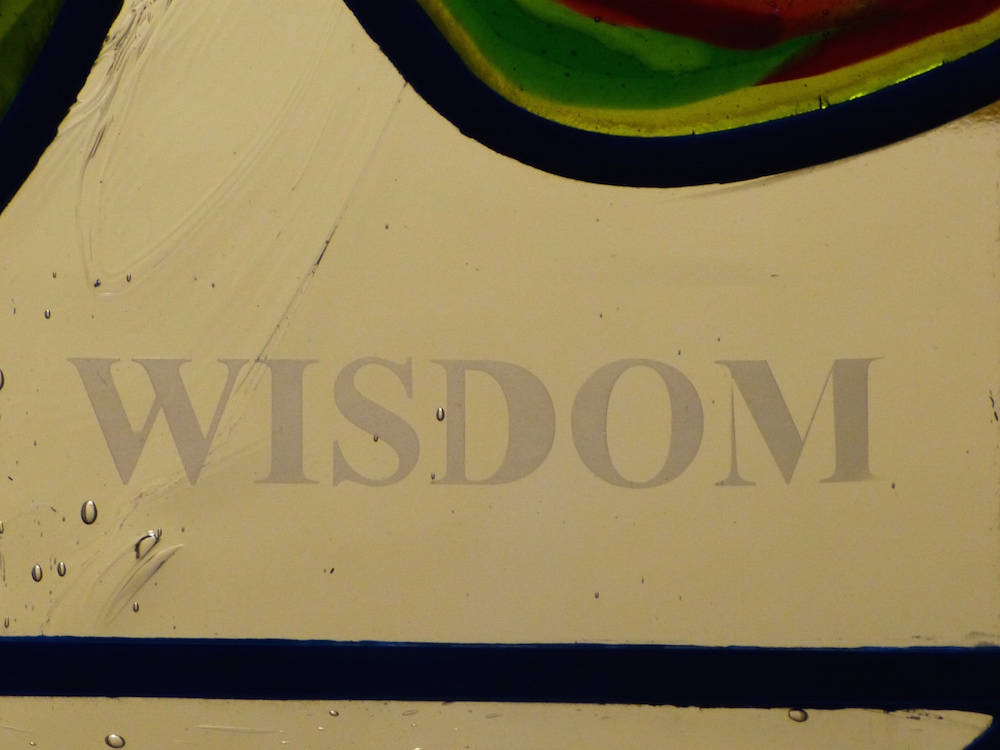
It was made by the talented glass artist Mary Quarmby. There was no better person for the job. Five years ago, when I was just beginning to think about running meditation workshops, I bumped into Mary at a craft fair. She said it would be good if someone in the locality started a meditation group. “It’s funny you should say that,” I replied. And so it began.

Mary is a kindred spirit. We both love and trust the intuitive process where ideas and insights emerge when the mind and body are calm. Going to her own studio in Chippenham, UK, is a delight, because her creativity blooms from the glass like no artist I have previously seen. Her work is beautiful, and carries wisdom within it.
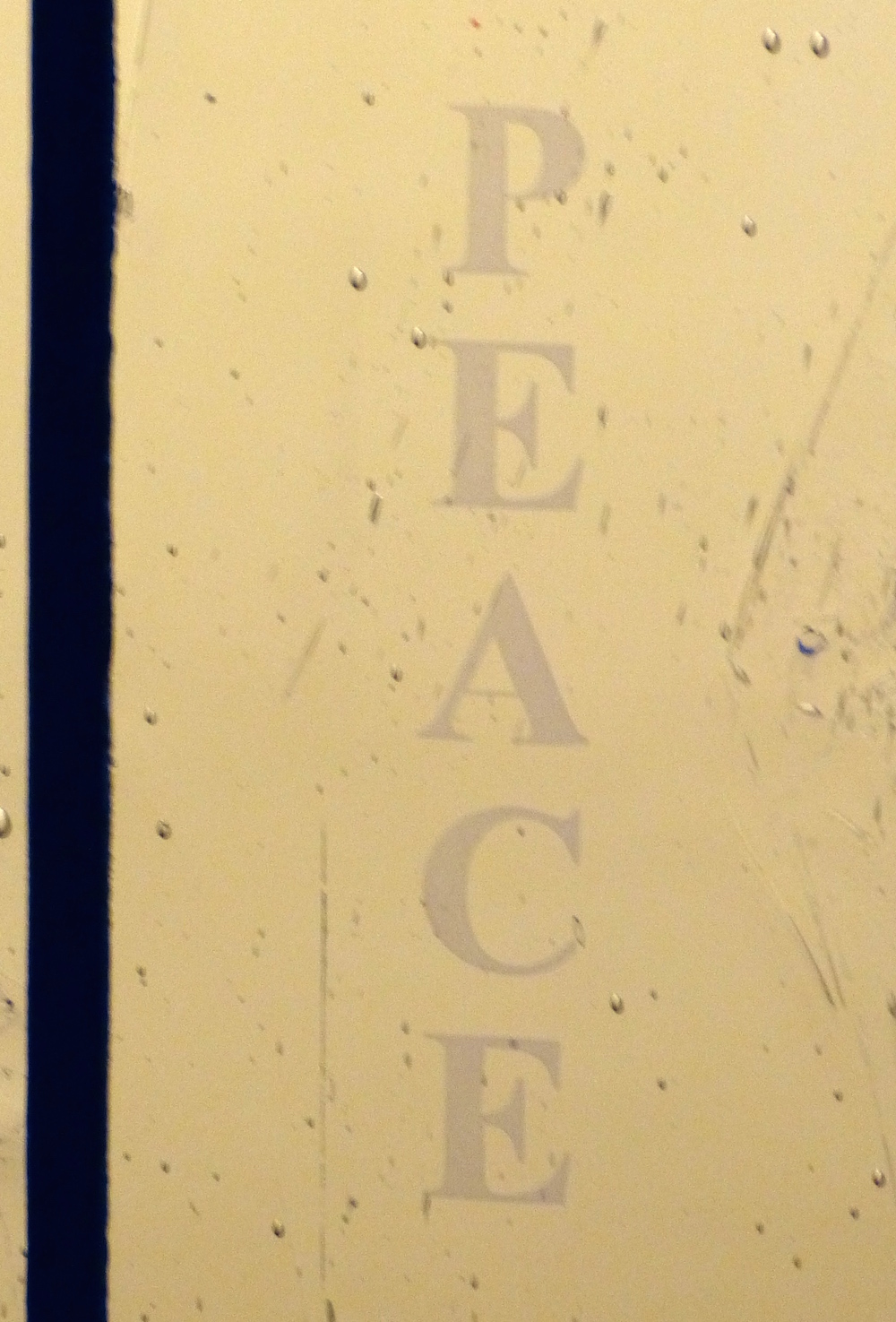
At this time of year she is busy making small angels and stars to hang from Christmas trees. Window panes for doors, such as mine, are also a regular part of her work flow. Everything Mary creates has amazing layers of texture, iridescence, colour and detail. You just want to go up and touch it. You can see more of Mary’s work here.

Lemon verbena tea – the recipe
27/08/2014 at 4:58 pm | Posted in Uncategorized | 17 CommentsTags: happiness, herbal, herbal tea, herbs, inspiration, meditation, nature, nature recipes, naturecraft, positive thinking, relaxation, wellbeing

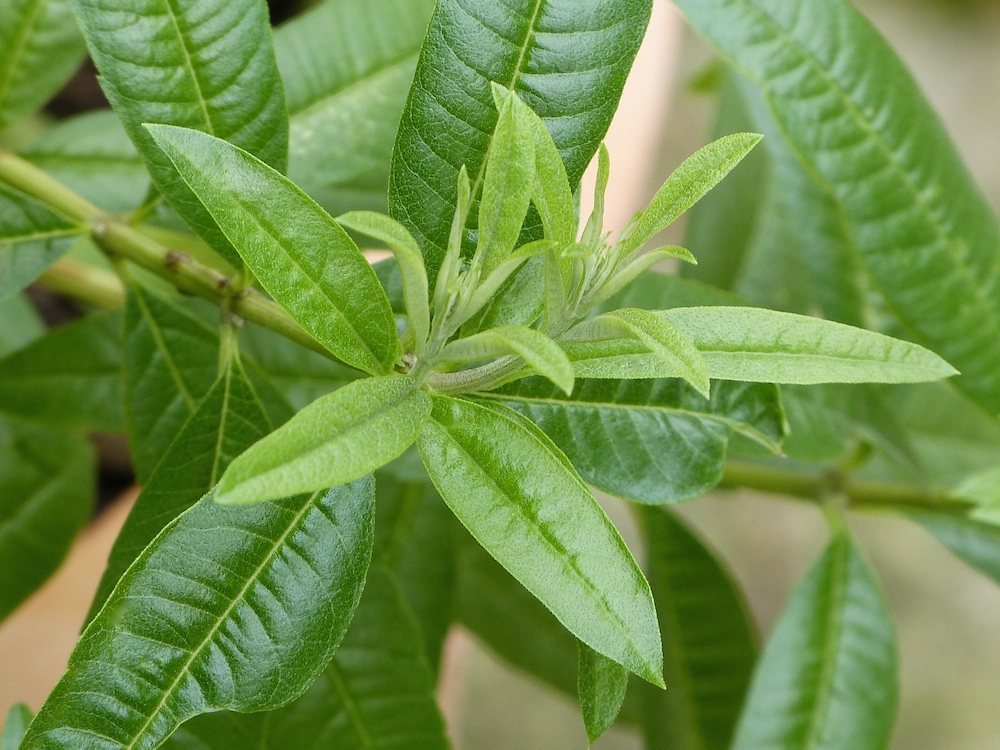
If I had to choose one herbal tea to drink for the rest of my life, I would probably choose lemon verbena, also known as Aloysia citrodora. When you brew it strong, it’s zingy, health-enhancing liquid sherbet in a cup: a light and warming drink that lifts the spirits unlike any other. When you brew it weaker, it is a delicate, uplifting citrus-scented beverage. But there is a catch: it has to be harvested and stored with love and respect. If you find a bargain packet of 20 lemon verbena tea bags, walk on by. The aromatic oils will not be present. Without them, you are left with dried and empty leaves.
I first discovered the magic of lemon verbena when travelling with my family through Northern France, eight years ago. We stayed in a guest house with big, bare rooms and botanical books on the shelves. We arrived late, and slept soundly between crisp white cotton sheets. At breakfast the next day, the herbal tea on offer was verveine, which I knew was the French name for this popular tisane. So I asked for verveine. It arrived as a small twig of dried leaves in a pot. The fragrance was heavenly. I was already falling under its spell.
When I drank the brew, I tasted a zingy, lemony lightness. The flavour was so vibrant. It seemed extraordinary that so much could be packed into a small, dried sprig.
The next time I asked for verveine, in an Alpine resort, it had been made with a tea bag, and was a dull disappointment. I discovered then that processing destroys this herb.
Back home, I tried ordering loose leaves from herbal suppliers, but they were never as lemony as that first, fragrant brew. So I experimented with harvesting my own.
My parents had actually been growing an Aloysia citrodora in their greenhouse for years. My mother put a few leaves at the bottom of cake tins for a subtle zingy additions to her bakes. But no one was making tea with it. So I started harvesting their surplus. I made the tea with fresh leaves, four or five chopped roughly per cup. I dried many of the leaves for winter use, as the plant dies down in colder weather. And so I continued for several years.
Nowadays I still harvest from my parents’ greenhouse plant. But recently I bought a plant of my own from Foxley Road Nurseries near Malmesbury in Wiltshire, UK. Co-owner Carol Hinwood is a huge fan of lemon verbena tea, and always keeps a good stock of plants there. All summer long my new Aloysia citrodora has been sitting in my front yard, soaking up the sunshine in a large earthenware pot. It grows quickly, and has even flowered profusely with tiny, fragrant blooms. I cut a stalk at a time, put it in water indoors, and use it successively for three or four cups of tea. It is just beautiful. Before the weather gets too wintry, I will bring it into a cool garden room, to protect it from frost.

Health benefits
The essential oil in lemon verbena is uplifting, de-stressing and relaxing. The plant has anti-viral and anti-fungal properties – studies have shown it to be effective against Candida albicans, or thrush. Lemon verbena is also rich in youth-promoting anti-oxidants. The meditators who come to my studio love it, finding it both peaceful and refreshing.
The recipe
First, locate your nearest lemon verbena plant. You may be lucky and know someone who is already growing it. If not, herb nurseries should have young plants available. It can’t cope with frost, so plant it in a large pot in a sunny spot, and bring it into a cool indoor space in the winter. Or grow it in a greenhouse.
Harvest the leaves by pruning the plant when the stalks are around 25 cm or longer. Cut the stalks fairly low down with scissors or secateurs.
For fresh tea:
Roughly chop four to six leaves and place in an infuser, in a cup, preferably covered. Leave to steep for five minutes. Then strain the leaves and drink the resulting, fragrant infusion.
For dried tea:
Dry the leaves by hanging the stems upside down in a large paper bag in a warm space for a few days or weeks until completely dry – the stalks should snap when you try to bend them. You may put them in a jar or bag as they are, or crumple them slightly, to fit more into your jar. I generally remove the leaves from the stalks (easy to do) and just store the leaves. Other people keep the stalks. Either way seems to keep the all-important essential oils intact. Put an air-tight lid on your jar, and store in a cool, dark cupboard. When you are ready to drink the tea, take a few dried leaves, or about one teaspoon of the crumpled herb, and steep in a cup, preferably covered, for five minutes. Strain and drink!
If you are seriously into herbs, as I am, it’s worth investing in a dehydrator. I use an Excalibur that I’ve had for many years. In this case, I take the fresh leaves off the stalks, discard the stalks, and place the leaves on trays in the dehydrator. I dry at a setting of around 45ºC or 115ºF for a couple of hours or so until the leaves are crispy dry. (It’s wise to keep an eye on them. At times I have over-dried and lost some of the essential oils.) Then I place them in a jar, as before.
I believe that to make your herbal tea from nature is to connect with your own true nature. And the nature of lemon verbena is one that’s truly worth connecting with: happy, vibrant, healthy and serene… and absolutely fragrant.
~~~~~~~
PS For a refreshing summer health drink, simply pop one or two leaves of fresh lemon verbena into a glass of cool water. The herb infuses the water with a deliciously light citrus note.
Website Built with WordPress.com.
Entries and comments feeds.
 Suzanne Askham