How to gather and cook wild garlic
01/05/2015 at 10:50 am | Posted in Uncategorized | 4 CommentsTags: flowers, healing, Health, herbs, nature, nature recipes, naturecraft
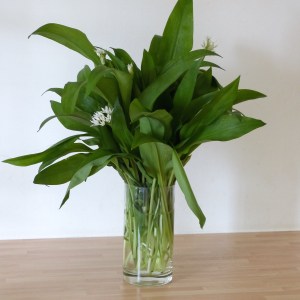
 Wild garlic grows in vast, natural fields in damp woodlands in the spring. It’s just waiting for you to harvest it and if the buds are looking like this one above, the perfect time to harvest is right now. Here are some guidelines for you.
Be sure to identify it correctly
Wild garlic, or Allium ursinum, has long very pale green stems. Its leaves are arrowhead-shaped, one per stem. Its buds grow one per stem, and opens out into a loose tuft of pretty white flowers. Every part of the flower has a pungent garlicky fragrance which is best experienced by crushing a leaf lightly between your fingers. There are two toxic plants that must never be confused with wild garlic. Lily of the valley has similar leaves but purple stems, and its flowers grow in a long spray. Lord and Ladies, an arum, has different shaped leaves but grows among the wild garlic and could be scooped up by an over-hasty picker.
Only gather what you need
One spring I went out with relatives and we all went a bit crazy, picking as much garlic as we could carry. Of course it was next to impossible to process all that food, and I’m sorry to say some of the surplus ended up in the compost. It’s a plant that is best eaten fresh, so just gather what you need. If you’re intending to cook wild garlic as a side dish, 20 leaves per person makes a generous portion.
Pick the stems low to the ground
The stems have a more delicate taste and pleasant texture, so be sure to collect them as well as the green leaves. Don’t unearth the bulbs which are very small. The goodness we want is in the aerial part of the plant: the part above the ground.
 Process it early
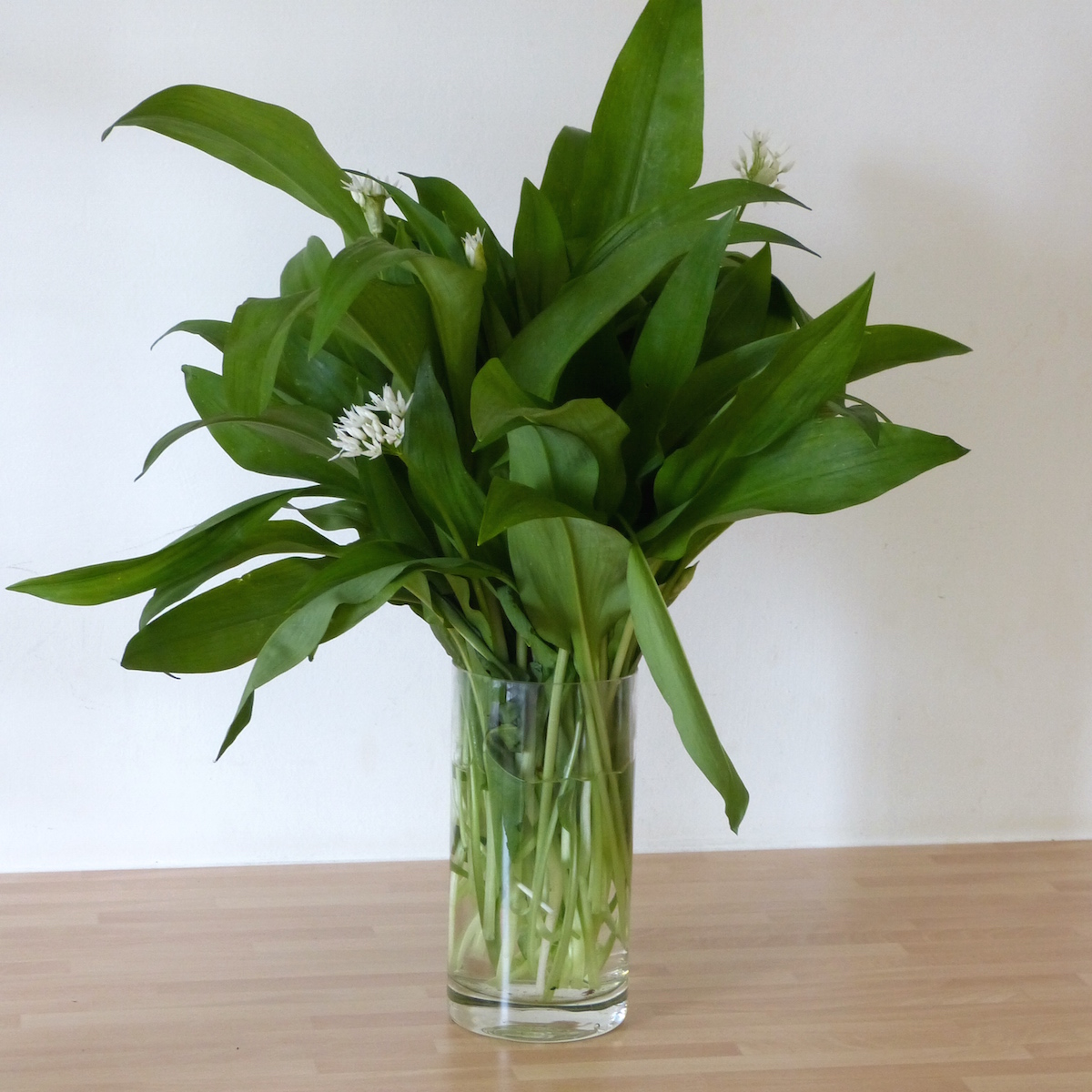
It will keep for two or three days in your kitchen, either in a loose bag in the fridge, or in water as shown here.
Eat it raw
Wash, chop roughly and add in small quantities to salads. The open flowers can also be added to salads, contributing beauty and an amazing peppery taste. 
Create a pesto
There are many recipes on the internet. My favourites don’t copy the classic basil pesto, but blend ingredients that perfectly suit garlic’s distinctive taste. This is a great example by Hugh Fearnley Whittingstall. Blend 50 g of lightly toasted and cooled walnuts in a food processor with around 75 g of washed and chopped garlic leaves, 35 g parmesan cheese, finely grated zest and juice from half an unwaxed lemon and around 130 ml of olive oil. Add sea salt and black pepper to taste. Spoon into a clean empty jar, and store in the fridge. It will keep for several days, but probably won’t last that long – too yummy! You can also freeze portions for up to six months, in my experience. Mix it with pasta or spread on crisp bread.
Cook it as a spring green
Wash and roughly chop leaves and stems, and simmer for a few minutes in a little water until soft and wilted. Make sure the pan doesn’t boil dry. The flavour when cooked is remarkably mild, making it a perfect spring vegetable. You can also add the washed, chopped leaves to a casserole for the last few minutes of cooking. You can create a soup with onion, a little potato, and lots of wild garlic with seasoning and a swirl of cream. Or you can simply add a single raw garlic bud to the centre of any soup as a peppery garnish.
Give a truly fragrant gift
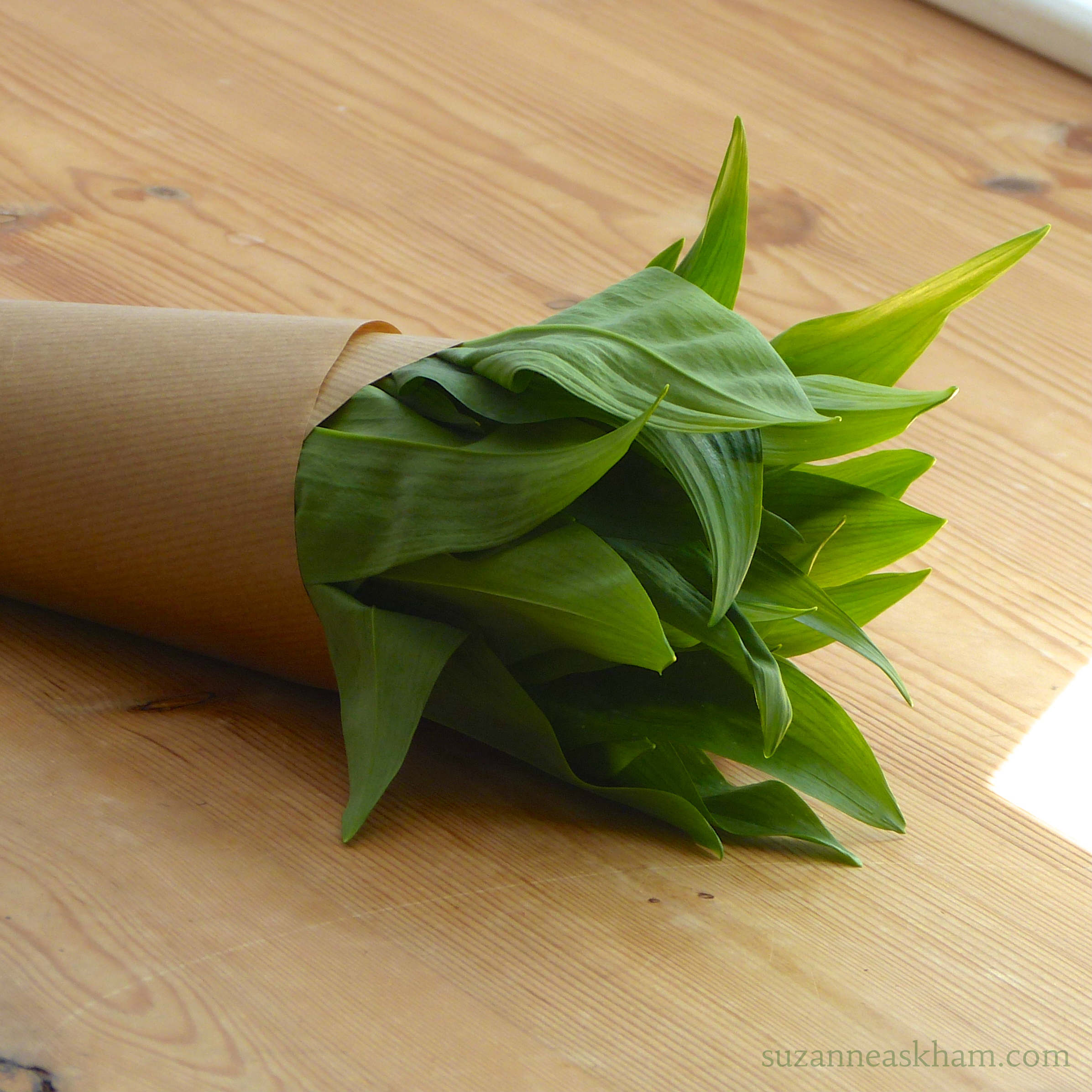
Wrap some wild garlic up in some brown paper and write some simple instructions on the paper. As gifts go, it’s a definite talking point, and you may even be introducing someone to a great spring ingredient. A jar of wild garlic pesto is another popular foodie gift.
Bask in the health benefits
Wild garlic is antibacterial and antiviral, and of all the allium family it is particularly good at lowering blood pressure. So it’s helpful for your immunity and your heart.
A rose for hard times
31/03/2015 at 7:52 am | Posted in Uncategorized | 4 CommentsTags: flowers, happiness, healing, inspiration, life skills, meditation, nature, parenting, positive thinking, special needs, visualization, wellbeing

There’s a simple meditative technique we can use in hard times. I call it the Rose Meditation. You can do this anywhere: cleaning the house, ploughing through work, undergoing medical treatment, in a high-voltage meeting….
All you do is this: focus, in your mind’s eye, on a rose. The example shown here was photographed after rain, in the sunshine of the Dordogne.
Picture the feather-light, velvety smoothness of the petals. Imagine yourself miniaturised, resting between the scented petals as though they are the softest bed in the world. Breathe in their heavenly fragrance.
Notice the variations in colour between the inner and outer petals. Absorb the beautiful colours with every cell of your body.
Touch the raindrops; taste their sweetness.
Explore the petals, going inward towards the nectar, and outwards again towards the sun and fresh air.
Do this visualisation any time you feel the need. The rose contains powerful therapy, and simply thinking about it in this way can be soothing, and healing.
This moment now
30/07/2012 at 10:25 am | Posted in Happiness, Meditation, Nature, Uncategorized, Wellbeing | 1 CommentTags: affirmation, flowers, Guidance, inspiration, meditation, nature, Spirituality, wellbeing
 This moment now is all we ever have, but it’s enough, because it’s everything.
Have a magical day.
Yellow hearts for happiness
12/04/2011 at 10:28 am | Posted in Uncategorized | 2 CommentsTags: flowers, Health, nature, wellbeing
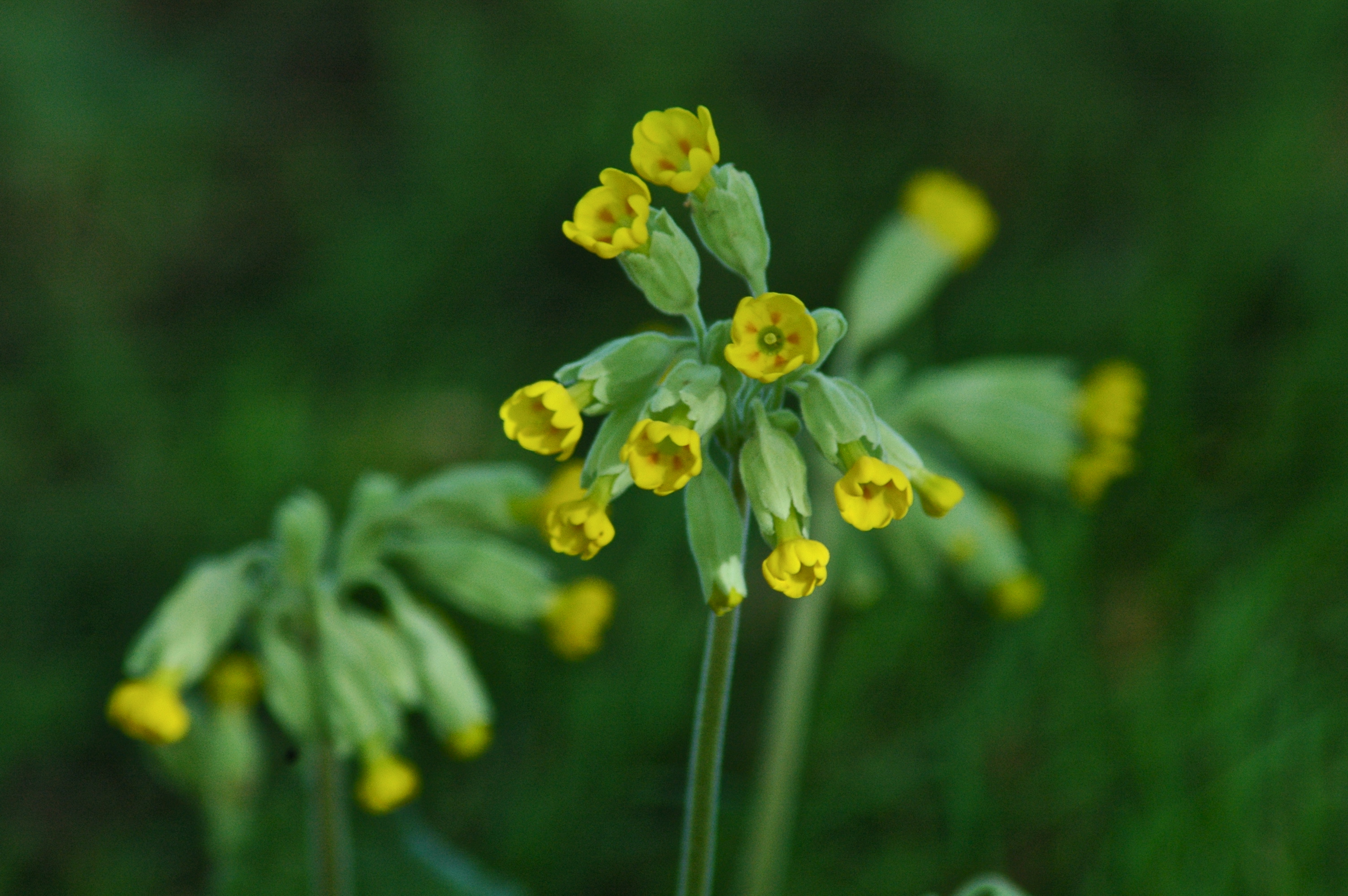
Cowslips are beautiful tiny medicine chests
If you are lucky enough to have cowslips growing in your garden or nearby, nurture them. These small, quirky relatives of primroses aren’t so common nowadays, and they carry with them the peace and slower pace of a more rural past – and a few related health benefits.
The garden around the Studio is old farmland, and so the cowslips never really left it. But it’s easy enough to sow seeds in any garden and wait for them to appear.
Just looking at them is instantly calming and relaxing. However, if you have an abundance of them, you can do much more than that…
Herbal medicine
Herbalists use cowslip flowers and roots as a nervine, to relax and calm; to help dispel chesty coughs and nervous headaches; and to promote restful sleep. Collect the flowers between March and May, and the roots before flowering time, or in the autumn. Add the flowers to herbal teas; or make a decoction of the dried root: 1 teaspoonful to a cup of water; bring to the boil and simmer gently for five minutes. Then drink three times a day.
Healthy salad
The tiny, sweet tasting flowers are a pretty addition to salads; you can eat the young leaves too, though we have yet to try them here. In the old days, many households made their own delicious cowslip wine from the flowers, which helped to clear winter coughs and was a popular night cap.
Flower therapy
But the best reason to grow them is probably just to look at them. Each flower is a tiny trumpet of five connected vibrant yellow hearts. Gaze into one, and take three deep breaths, and you will receive a small but potent dose of happiness, I guarantee.
Website Built with WordPress.com.
Entries and comments feeds.
 Suzanne Askham