Saying ‘cheers’ with elderberry cordial
30/12/2015 at 4:37 pm | Posted in Uncategorized | 3 CommentsTags: gratitude, nature recipes, success, wellbeing
My blog was viewed 19,000 times in 2015. WordPress worked it out. “If it were a concert at Sydney Opera House,” they write, “it would take about seven sold-out performances for that many people to see it.”
For a not-very-frequent blogger, the numbers are amazing. I’m grateful that these pages have been viewed, and commented on, so many times. Thank you!
The subjects of these pages include meditation, healing, intuition and nature. It’s about living an authentic life. Many of us have a real thirst for that – and it often takes a practical turn. The most popular posts here are often recipes of one sort or another.
So in 2016, when I gather wild food for the cooking pot, make soaps from the hedgerows and blend fresh herbal teas from the garden, I will share these activities with you.
The most viewed post in 2015 has been a recipe for elderberry cordial. I adore elderberries, from their vibrant colour to their delicious, healthy juiciness.
One of the best things about writing that post has been the many comments from readers who have tried out the recipe and/or come up with their own variations. When that happens, there’s a special magic between WordPress, blogger and reader/commentator.
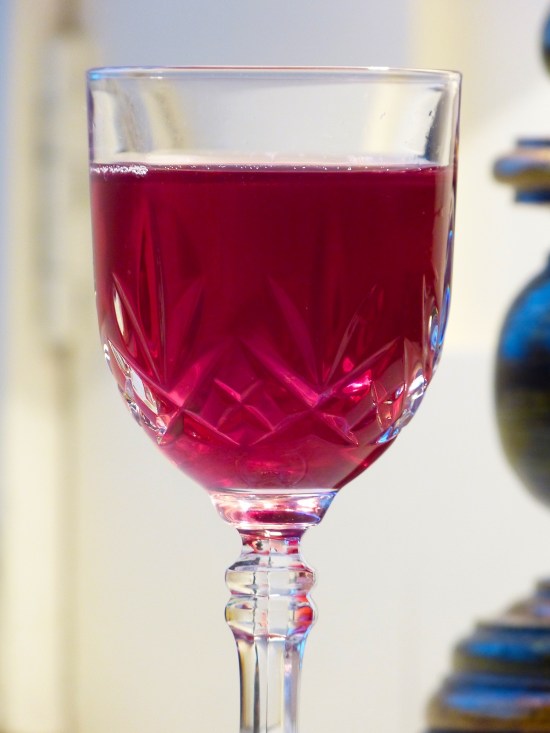
To all who have visited over the past year… I’m drinking to your good health, with a glass of elderberry cordial.
What sort of meditation do you do?
30/08/2015 at 10:01 am | Posted in Uncategorized | 4 CommentsTags: Dreams, Guidance, inspiration, meditation, nature, Spirituality

People often ask what sort of meditation we practise at the Studio. They expect to hear that we follow a particular school, be it Mindfulness, Christian, Vipassana, Transcendental or possibly following the teachings of a Buddhist leader such as Thich Nhat Hanh.
The truth is, we don’t follow any of these schools, although we do take an interest in them and are inspired by their insights. But our method is much simpler.
I call our practice ‘Intuitive Meditation’, because it came to me in a series of dreams and mystical experiences many years ago, around the time of the birth of my son, Tim. Readers of this blog will know that Tim was born with a complex set of health issues, and a happy, sociable and life-loving personality.
For a period of two years or more, before and after his birth, I experienced some intense dreams and waking visions. Through them I began to understand every human is a unique manifestation of the ‘All That Is’ – apparently separate, yet actually part of the whole.
One morning, as I woke up, I heard a simple yet beautiful song coming apparently from an invisible realm. It was sublimely uplifting. A mellow, male voice began each line with “I am…” Each verse had five lines, and the final line was always, “I am the Ocean”. The ‘O’ was long drawn out. The first four lines varied, but followed the same format:
“I am the land
I am the sea
I am the leaf
I am the tree
I am the ocean.’
The song faded away as I became fully awake. I was left with a sense of the beauty of nature, and the numinous insight that a unifying consciousness shines through all aspects of nature, including ourselves.
Immediately, I began to use the “I am” format in my own meditation practice. I would breathe in “I am” and breathe out a word from nature, or from our true nature. “I am leaf…” or “I am peace…” or “I am water…”. I would use one word for each meditation session.
The method was instantly calming and blissful. More than that, intuitive insights arose: it felt as though I was receiving invisible guidance to help me tread a sometimes difficult path.
Over many years, other people began to join me. Today, small groups of us gather in a hillside studio in North Wiltshire, where expansive views constantly remind us that natural beauty is in us and around us, and a subtle light shines through it all.
Let go of the brambles, and be still
02/08/2015 at 5:06 pm | Posted in Uncategorized | Leave a commentTags: Guidance, inspiration, meditation, personal development, poetry, Spirituality

Here is a poem by Sun Bu-er, renowned female teacher of Chinese Taoism, born 1124. I discovered it in Women in Praise of the Sacred edited by Jane Hirshfield:
Cut brambles long enough,
Sprout after sprout,
And the lotus will bloom
Of its own accord:
Already waiting in the clearing,
The single image of light.
The day you see this,
That day you will become it.
It can be such hard work to clear the sharp, knotted brambles and tangles that we metaphorically get into, and yet I think this poem is saying that light is present in all things. When we discover that, we become that light – or realise that we are already that light – and the effort falls away. What knotty problem do you currently face? And what would happen if you saw light shining in every aspect of the problem? Sometimes, letting go of effort is the quickest way to a solution, and to peace.
A young hare’s guide to peace
03/07/2015 at 4:26 pm | Posted in Uncategorized | 6 CommentsTags: Guidance, happiness, healing, inspiration, mindfulness, nature, peace, personal development
When we are peaceful in nature, nature comes peacefully to us. Last spring, collecting wild garlic in the woods, I was delighted when a deer came to graze nearby. We continued to crop the spring greens, each in our own way. It was companionable. I was the one who moved away first, when my basket was full.

Then, ten days ago, a young hare came to live in our garden. He wasn’t distant; he was frequently under our heels. Although we startled him, he didn’t move far away. He ate some carrots I left out for him. One day, I sat on a stone step, drinking green tea, and he sat nearby, eating grass in the sunlight. Ears upright and contented. I chatted. He listened. I loved the way his ears swivelled attentively when I spoke. If you want to learn the art of true listening, watch a hare.
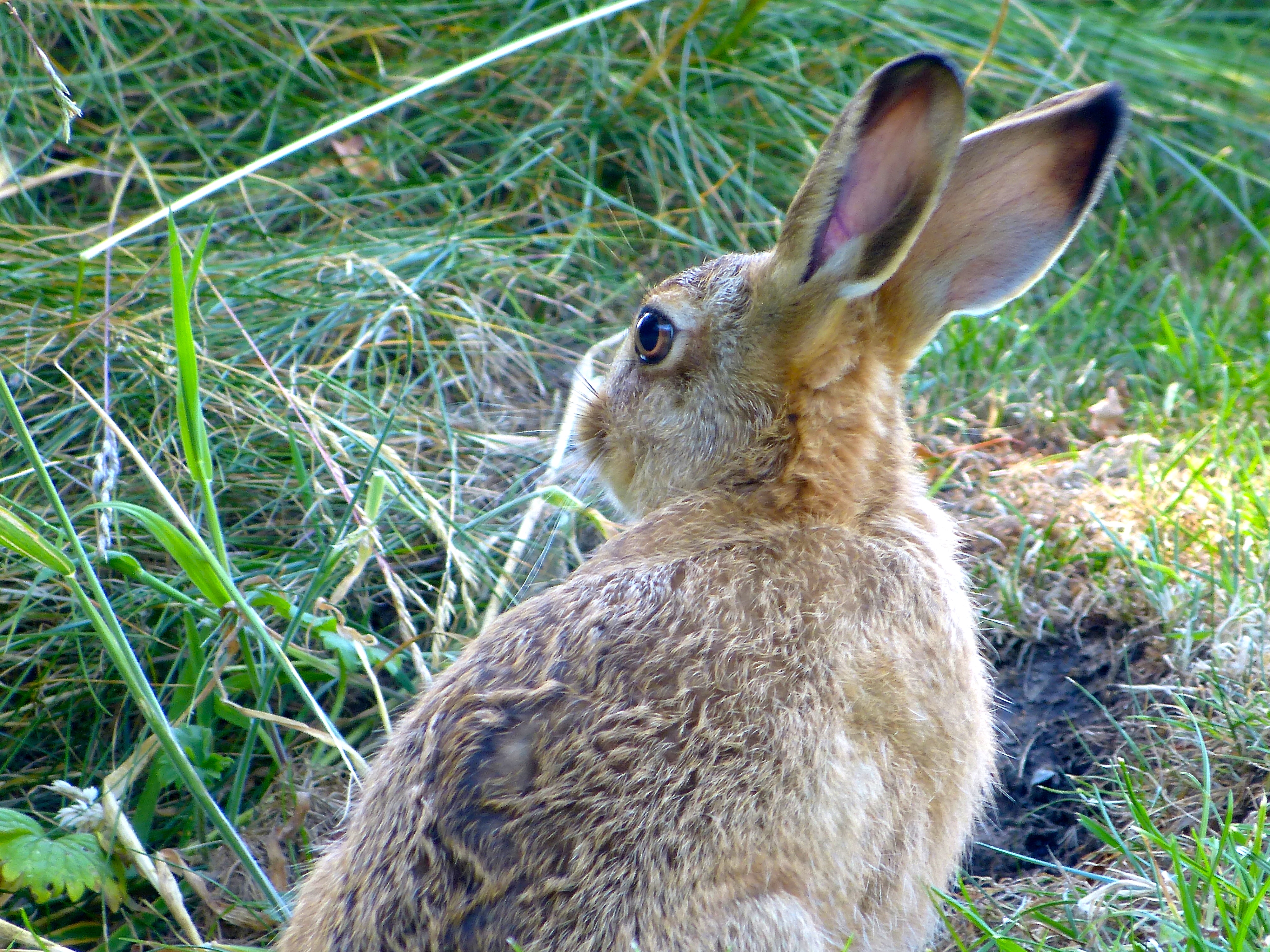
When a being so wild and natural is happy in your company, it is a wonderful feeling. Again, I was the one who eventually moved away. My human schedule beckoned. His precocial nature allowed him to simply be.
Our hare is now spending more time in the field next door. But he still visits our garden. Two nights ago, I saw him in the silver light of the full moon, grazing on the lawn.
Hares and people have a lot in common. When we are peaceful, others around us are more likely to be calm and contented. Maybe that is how we will eventually create a more tranquil world: not by telling others that they are wrong and we are right, but by experiencing a deep, numinous peace within ourselves. It’s a feeling that others can’t help but respond to.

How to keep a dream diary
01/06/2015 at 10:01 pm | Posted in Uncategorized | 5 CommentsTags: Dreams, Guidance, innermost feelings, inspiration, Intuition, journalling, Mind body spirit, personal growth, psychic development

Keeping a dream diary is one of the kindest, wisest gifts you can give yourself. Even if you don’t remember your dreams, keep a journal anyway. Record whatever you can recall on waking up. If you only catch a fleeting mood, record it. Hold this intention: ‘I am now ready for the guidance of my dreams’. And, in time, your diary will begin to fill.
I was inspired back in the 1990s by an early version of Denise Linn’s book, The Hidden Power of Dreams. I loved her suggestion that you write an uplifting title in the front of your journal. This might be something along the lines of ‘My dream diary: a beautiful book filled with beautiful gifts’. Many volumes later, I still write something similar.
On each left hand page…
Write the date, and a title for a dream you had the night before. The title can be anything that seems to sum up your dream. Then simply write down your dream. You may find you don’t remember any dreams. In that case, just write down any fleeting thoughts or feelings you had on waking up. Try to notice if you had any pictures or words in your mind on waking, and record those. Or you may find you had several unrelated dreams in the same night. Just write them down, as if they were chapters of the same dream.
On each right hand page…
Write down any thoughts or observations you have about the dream. Perhaps you were doing something the day before that triggered it? Over time you will begin to understand the meaning of different images in your dream. It can be helpful and enjoyable to draw or paint a picture of the dream on this page – you can gain new insights that way.
The key to your dreams
Be aware that everything and everyone in your dream is representing an aspect of yourself. Everything is symbolic. You don’t have to understand all the symbols, but it’s very rewarding when you start to interpret them. You can think of it as a puzzle to which only you hold the key. And over time, the more you study your dreams, the more you will understand. Never be scared of your dreams – they are there to help you to understand yourself and your life choices better.
Your own dream dictionary
The best dream dictionary you can ever have comes from first-hand observation of your own dreams: go by how the dream symbols feel – their essence, their energy. Where in your own life do you have a similar feeling? Here are some examples to get you started…
Narrow streets, or doors that are difficult to go through may suggest that a current course of action, or a current attitude, is not ideal. Conversely, if a dream has a sense of space, with wide avenues and clear views, it may be showing you that your current course in life is the right one for you.
People you dream of may represent some aspect of yourself that you are working on. What qualities do you associate with that person? If someone dies in a dream, it often means a new chapter of your own self-development is beginning, and maybe it’s a new chapter for that person too (it doesn’t mean that anyone is actually going to die!)
If a house or car is in need of repair, it may mean your health or career is in need of some tender loving care. Newly discovered floors and rooms in a building can mean that you will be exploring new areas of your own interests and abilities – maybe a new career is opening up for you.
Scary people or monsters chasing you may mean that a repressed part of your psyche is ready to be reintegrated. When you’re awake, spend some time loving and blessing the scary beings, ask them what they want… in your imagination, hug them!
Water often represents emotions – is it flowing, turbulent, flooding, or calm?
Nature: A beautiful object from nature – such as a flower or a feather – may represent an aspect of your natural self that you are beginning to reconnect with, and can also represent guidance from other realms.
Night guidance
Note that over time your observed dreams are likely to become more vivid, more colourful, as though you are actually there. You may experience the bliss of flying, and receive clear spiritual lessons that remain in your mind when you wake up. You may wake up with recipes, formulas… all sorts of knowledge that can help you, and other people.
Record it all in your dream diary. And be ready to carry your new knowledge into your waking life. That’s when the fun really begins!

Be of good heart with hawthorn blossom tea
14/05/2015 at 5:00 pm | Posted in Uncategorized | Leave a commentTags: healing, herbal tea, herbs, nature recipes, naturecraft, wellbeing
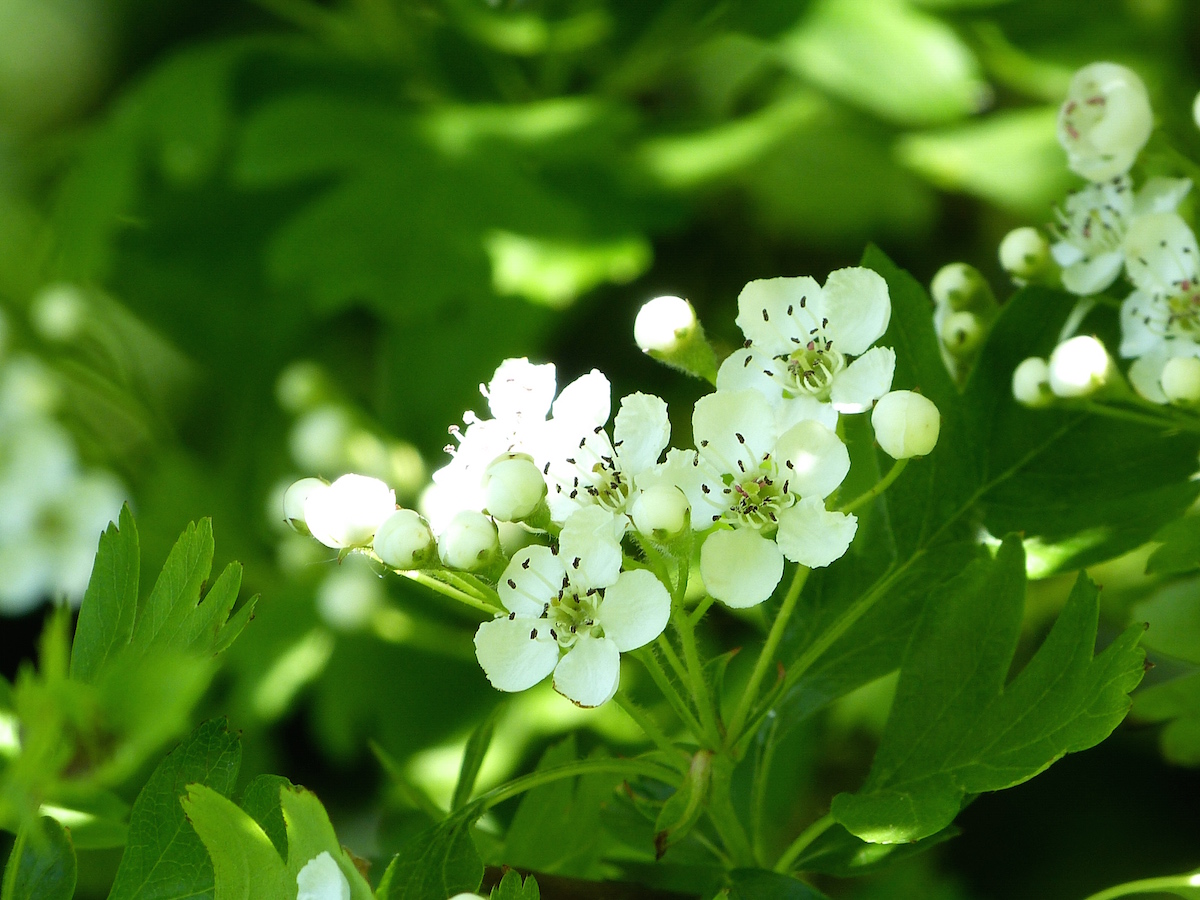
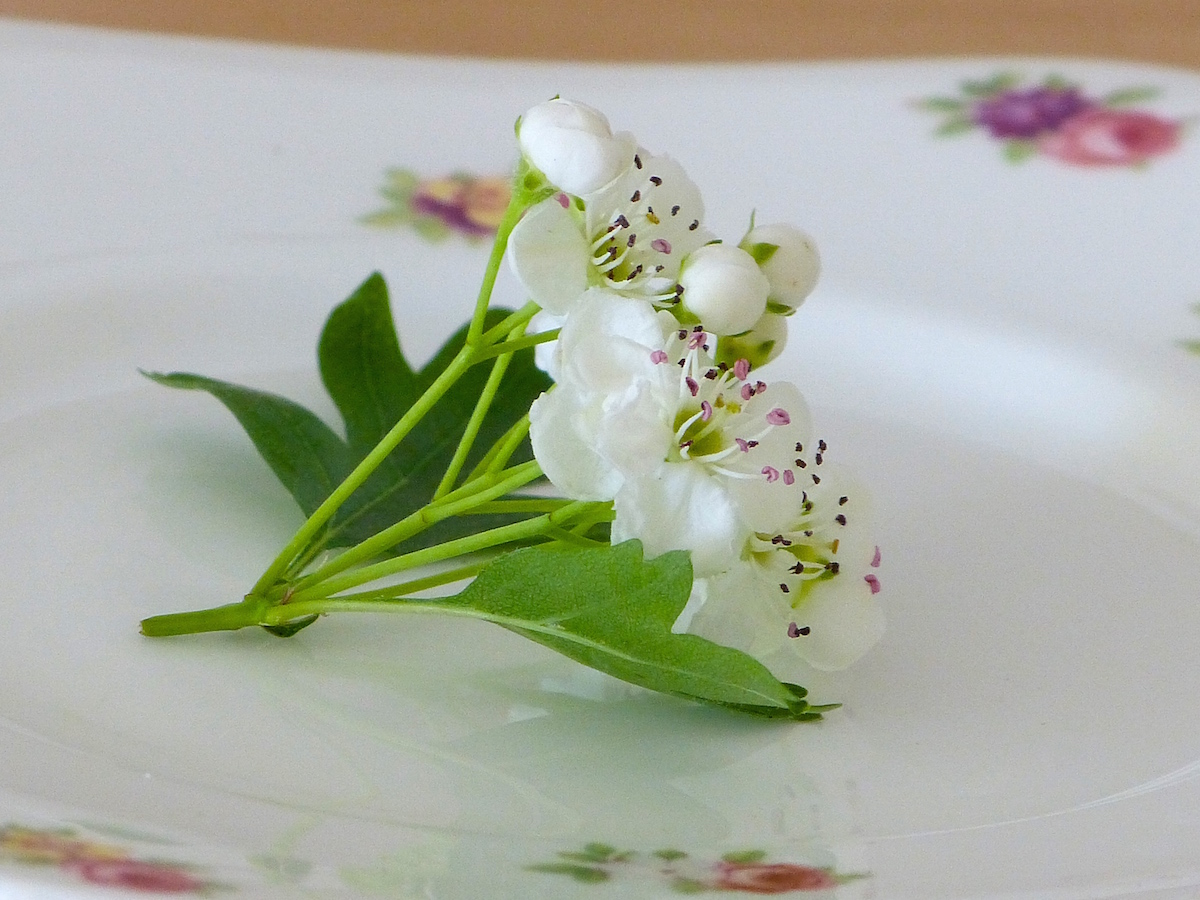
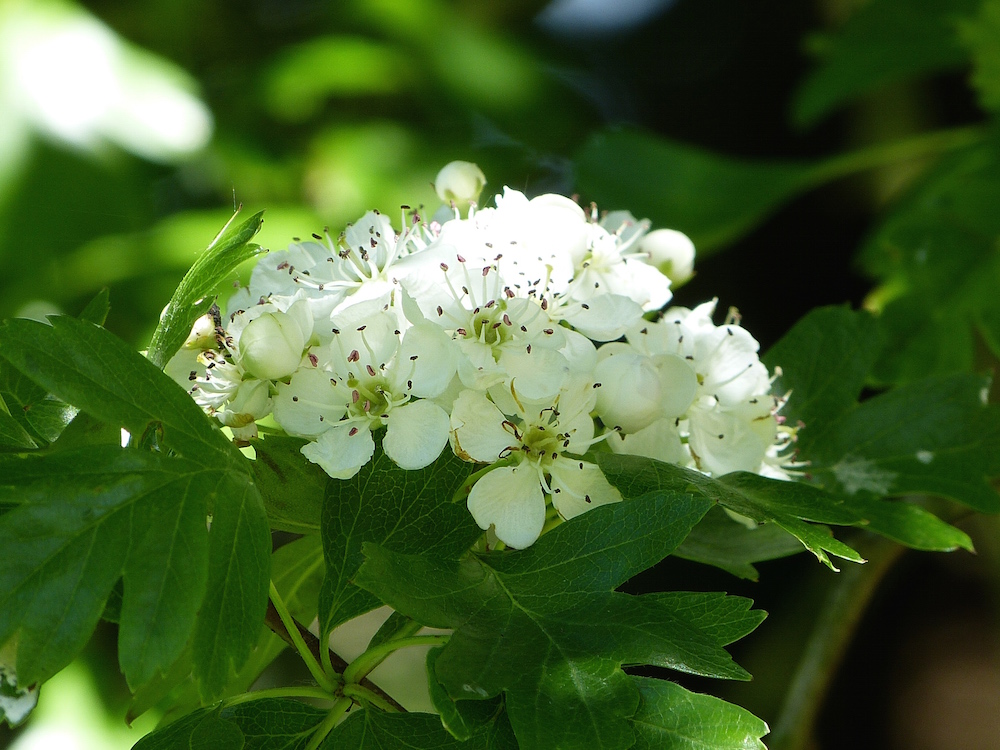
In late spring there’s a plentiful blossom in the hedgerows that makes an unusual health-giving tea. Hawthorn blossom and leaves alike are good for all aspects of the heart. Rich in tannins and bioflavonoids, it’s a great alternative to green tea. But harvest it wrongly, and you may never want to touch it again.
Hawthorn fragrance is an intriguing mix of sweet and… well, not so sweet. When it’s ultra-fresh, the sweetness prevails. When it’s wilted, there’s a lingering whiff of something rank.
And yet when hawthorn has completely dried, it becomes again a delightful, drinkable tea – rather like a lightly fermented green China tea.
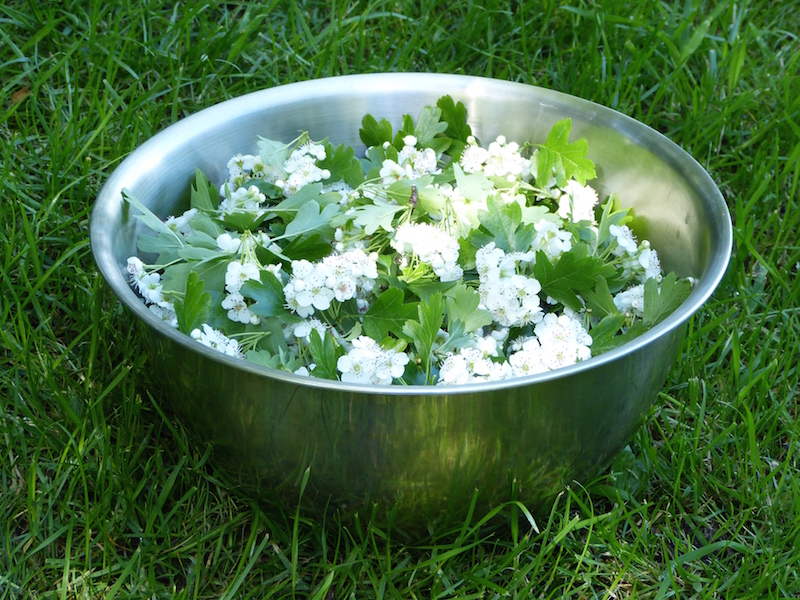
Simply collecting the blossoms on a dappled sunlit day is therapy in itself. I like to follow Lucinda Warner of Whispering Earth’s advice and pick miniature sprigs of young flowers surrounded by a few leaves. You have to watch out for the thorns, but they’re easy to avoid.
To drink hawthorn blossom fresh
A single fresh sprig, plucked straight from the tree, makes a lovely cup of tea for one. Place one fresh sprig in a cup of boiled water, and brew for a few minutes. It’s fun to drink while the sprig is still in the cup. If wished, add a squeeze of lemon and a small teaspoon of honey.
To drink hawthorn blossom dried
Place your sprigs of hawthorn blossom complete with their leaves on a tray in a well-ventilated place to dry. Cover with paper if you need to protect your harvest. Sometimes I simply place them so they can lie in a single layer inside a large paper bag, then leave them on a shelf in a warm and airy place. If you have a dehydrator, you can speed up the process dramatically and produce dried sprigs on a gentle setting in just a few hours.
To drink, place one to three dried sprigs in a tea filter, inside a cup of boiled water, and brew for a few minutes. Remove filter and enjoy.
Why it’s good for you
Hawthorn blossom, leaves and berries have all been long used as a tonic for the heart, helping with irregular heart beats, tiredness associated with poor heart function, and lowering of blood pressure. It’s also helpful for the whole circulatory system. And it’s been used as a tonic for the emotional heart, helping alleviate anxiety and bring calm. The feeling after drinking is as if your heart is basking in a warm, reassuring glow of wellbeing – that’s how it always feels to me.
Herbalist Nina Nissen suggests that it’s best drunk daily in small dosages over a period of 2-3 months, but it can safely be taken continuously if required.
If you are taking other medicines, particularly heart pressure ones, check with your doctor before drinking hawthorn infusions.
Hawthorn, a member of the rose family, has been viewed as a sacred medicinal plant for millennia. It’s a plant of many dimensions, endlessly fascinating to those who take the time to hear its teachings. The blossom is a wise and beautiful addition to any tea collection – and it’s free.
Gathering wild strawberry leaves for tea
07/05/2015 at 6:16 pm | Posted in Uncategorized | Leave a commentTags: herbal tea, herbs, nature, naturecraft, naturerecipes

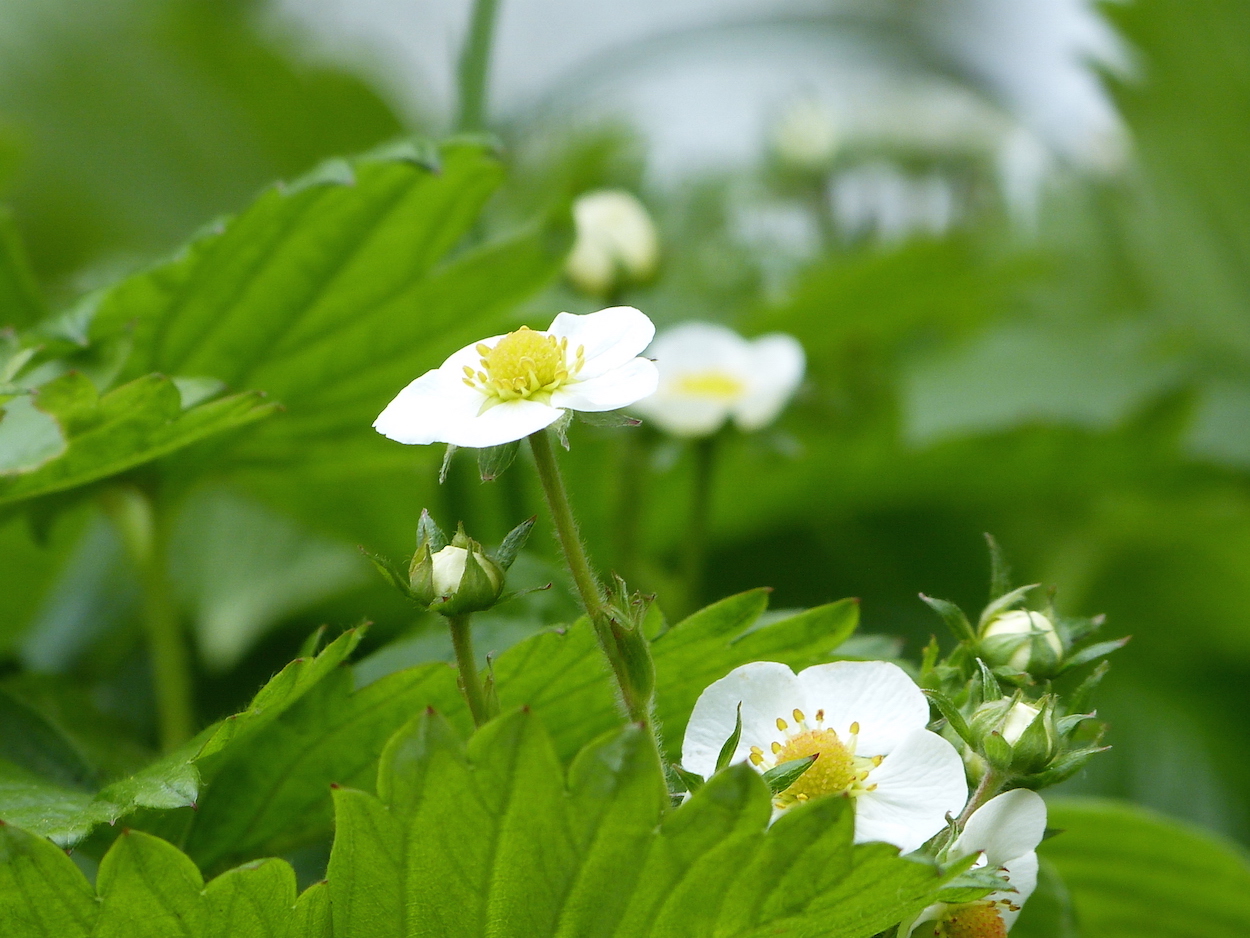
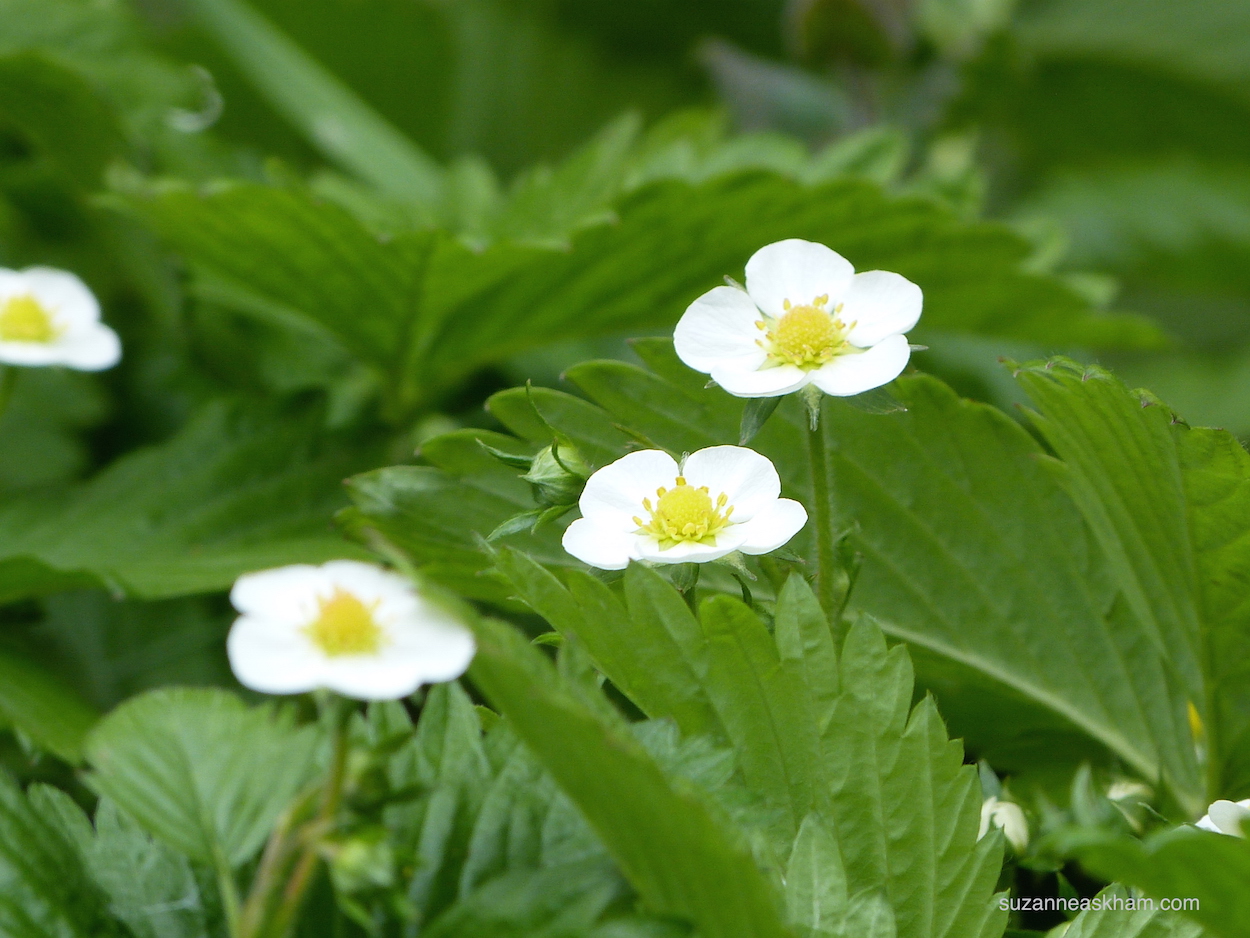
Spring is an ideal time to gather fresh young wild strawberry leaves… but actually, any time of year is pretty good. This easy-going plant is in leaf all year around.
Fragaria viscera grows prolifically as ground cover in my garden, on damp and partly shaded earth. It has even thrived in the gaps between paving stones. Many summers ago, my youngest used to sit naked, a Buddha baby, among the wild strawberry plants munching the tiny sweet crimson berries. I understood then that bliss is built into this little plant’s DNA.
To make an infusion
Wild strawberry tea is a good alternative to green tea.
For one person: pick a small handful of green, healthy leaves. Wash if required. Chop roughly. Place in an infuser in a pot or mug of boiled water for three to five minutes. Remove infuser. Breathe in the fresh green aroma, and enjoy!
Alternatively, harvest larger quantities of the leaves and dry in a single layer on a tray in a warm, ventilated place. An airing cupboard or a dehydrator are both good. When crinkly-dry, store in an airtight jar in a cupboard away from light. The dried leaves are best drunk within one year. Use one teaspoon of dried strawberry leaf in an infuser per person.
I did read recently that strawberry leaves should be infused either fresh or completely dried, not in-between. Apparently there is some mild toxicity present in the in-between state.
Health benefits
The leaves are rich in Vitamin C and also contain iron, calcium, and anti-oxidants. They are rich in tannins, giving them that ‘green tea’ dry taste in the mouth. They help to maintain a healthy digestive tract. They are traditionally used to treat chronic diarrhoea, and also joint pain. Interestingly, they also contain ellagic acid, which reputedly inhibits cancer tumours. Very rarely there may be an allergic reaction to strawberry leaves: in cases of swelling or rash, stop drinking and consult a doctor.
But for the vast majority of people, the wild strawberry is simply an easy-going and very helpful cottage garden plant, happy to grow almost anywhere, in return for some amazing culinary gifts.
How to gather and cook wild garlic
01/05/2015 at 10:50 am | Posted in Uncategorized | 4 CommentsTags: flowers, healing, Health, herbs, nature, nature recipes, naturecraft
 Wild garlic grows in vast, natural fields in damp woodlands in the spring. It’s just waiting for you to harvest it and if the buds are looking like this one above, the perfect time to harvest is right now. Here are some guidelines for you.
Be sure to identify it correctly
Wild garlic, or Allium ursinum, has long very pale green stems. Its leaves are arrowhead-shaped, one per stem. Its buds grow one per stem, and opens out into a loose tuft of pretty white flowers. Every part of the flower has a pungent garlicky fragrance which is best experienced by crushing a leaf lightly between your fingers. There are two toxic plants that must never be confused with wild garlic. Lily of the valley has similar leaves but purple stems, and its flowers grow in a long spray. Lord and Ladies, an arum, has different shaped leaves but grows among the wild garlic and could be scooped up by an over-hasty picker.
Only gather what you need
One spring I went out with relatives and we all went a bit crazy, picking as much garlic as we could carry. Of course it was next to impossible to process all that food, and I’m sorry to say some of the surplus ended up in the compost. It’s a plant that is best eaten fresh, so just gather what you need. If you’re intending to cook wild garlic as a side dish, 20 leaves per person makes a generous portion.
Pick the stems low to the ground
The stems have a more delicate taste and pleasant texture, so be sure to collect them as well as the green leaves. Don’t unearth the bulbs which are very small. The goodness we want is in the aerial part of the plant: the part above the ground.
 Process it early
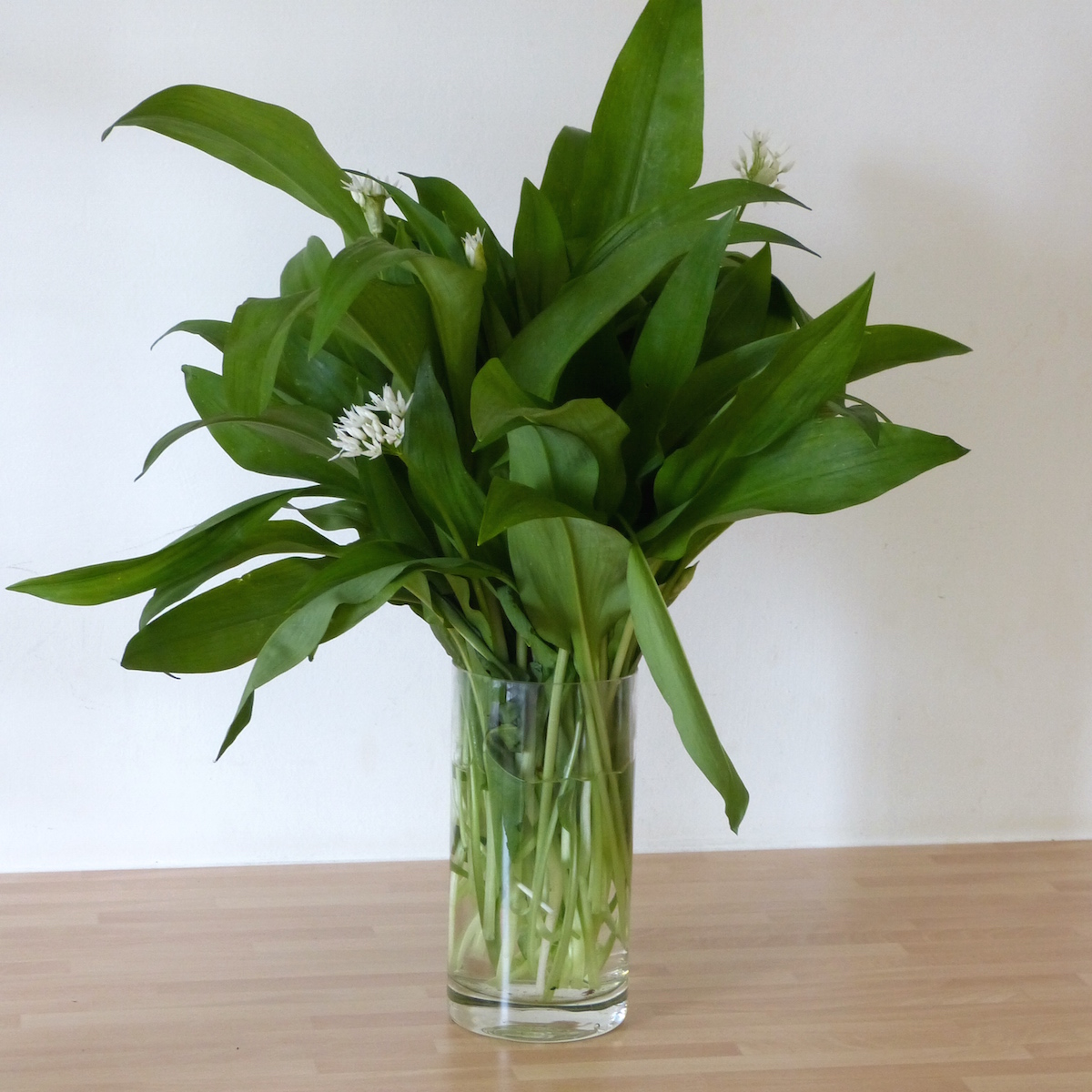
It will keep for two or three days in your kitchen, either in a loose bag in the fridge, or in water as shown here.
Eat it raw
Wash, chop roughly and add in small quantities to salads. The open flowers can also be added to salads, contributing beauty and an amazing peppery taste. 
Create a pesto
There are many recipes on the internet. My favourites don’t copy the classic basil pesto, but blend ingredients that perfectly suit garlic’s distinctive taste. This is a great example by Hugh Fearnley Whittingstall. Blend 50 g of lightly toasted and cooled walnuts in a food processor with around 75 g of washed and chopped garlic leaves, 35 g parmesan cheese, finely grated zest and juice from half an unwaxed lemon and around 130 ml of olive oil. Add sea salt and black pepper to taste. Spoon into a clean empty jar, and store in the fridge. It will keep for several days, but probably won’t last that long – too yummy! You can also freeze portions for up to six months, in my experience. Mix it with pasta or spread on crisp bread.
Cook it as a spring green
Wash and roughly chop leaves and stems, and simmer for a few minutes in a little water until soft and wilted. Make sure the pan doesn’t boil dry. The flavour when cooked is remarkably mild, making it a perfect spring vegetable. You can also add the washed, chopped leaves to a casserole for the last few minutes of cooking. You can create a soup with onion, a little potato, and lots of wild garlic with seasoning and a swirl of cream. Or you can simply add a single raw garlic bud to the centre of any soup as a peppery garnish.
Give a truly fragrant gift
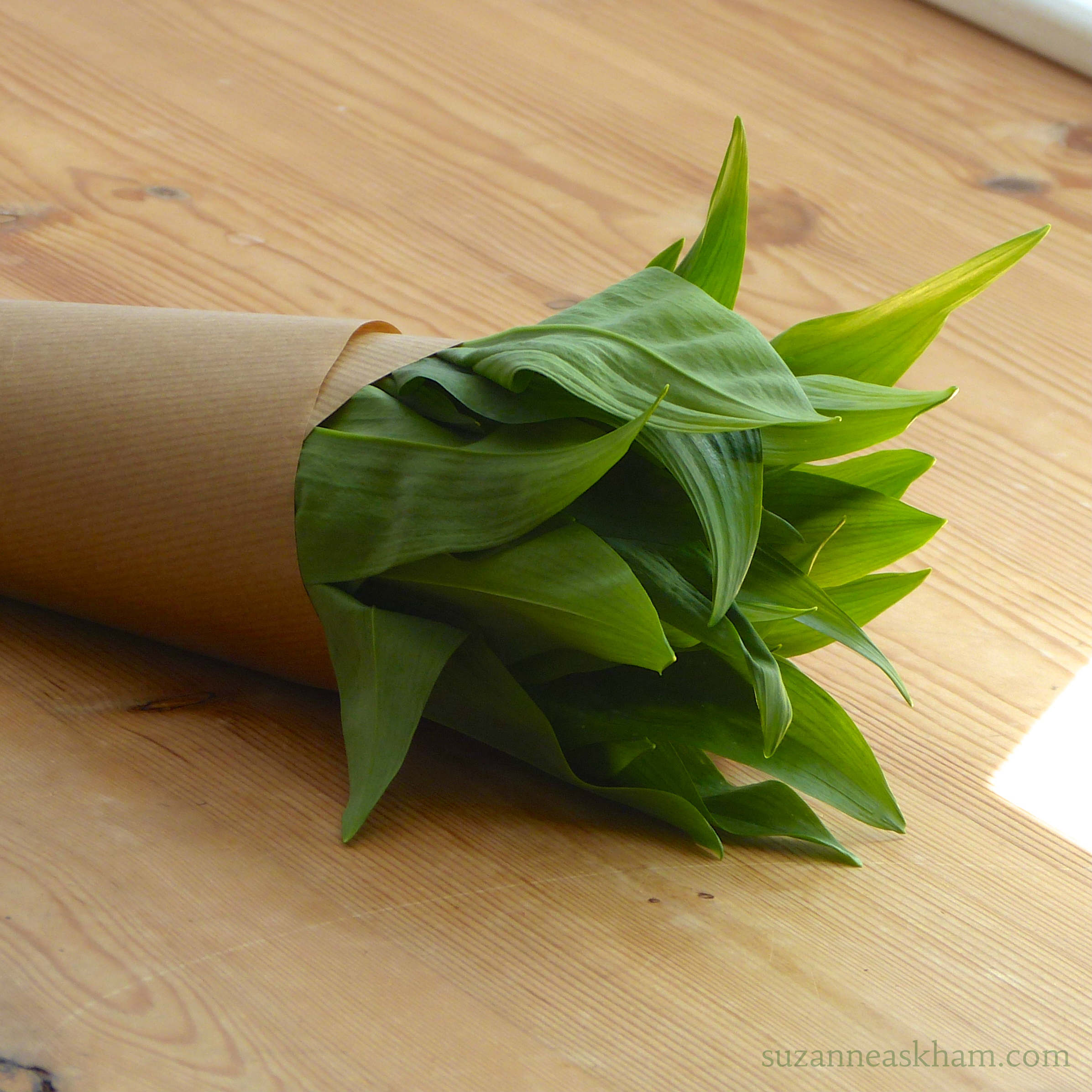
Wrap some wild garlic up in some brown paper and write some simple instructions on the paper. As gifts go, it’s a definite talking point, and you may even be introducing someone to a great spring ingredient. A jar of wild garlic pesto is another popular foodie gift.
Bask in the health benefits
Wild garlic is antibacterial and antiviral, and of all the allium family it is particularly good at lowering blood pressure. So it’s helpful for your immunity and your heart.
Bookmark your intention
10/04/2015 at 8:34 am | Posted in Uncategorized | 1 CommentTags: affirmation, Guidance, inspiration, Intuition, journalling, life skills, Mind body spirit, personal growth, positive thinking, self-development, special needs, success
Not so long ago, I was doing a lot of caring for others, and forgetting to care for myself. Therefore, I was running on empty: constantly tired; crabby. My caring for others had become a monster that went through the motions and denied my loved ones the true energy of compassion.
This went on for several days. Then, one morning, in that dreamy state between sleep and awakening, I saw a bookmark hovering in front of me. You know, the long, thin rectangular sort that you put in a proper card-and-paper book.
“Bookmark your intention for today,” said a wise teacher who was invisibly beside me. And at once I saw words appearing on the bookmark. I understood then that I was choosing a simple, uncomplicated intention for the day. My intention – far shorter than a typical ‘to-do’ list – was to help a particular relative in a specific way, and also to care for myself. That was all. Sure, there would be other activities in the day, but my intention was just those two things.
And with that knowledge, I stopped feeling tired and overwhelmed. The energy of life and compassion returned to me.
Additionally, I understood that each new morning benefits from a fresh bookmark, spelling out an intention for that particular day.
What is your intention for today? Keep it simple. There’s only room for a few well-chosen words on a bookmark.
Spiritual: a quick definition
08/04/2015 at 4:27 pm | Posted in Uncategorized | 6 CommentsTags: chakras, inspiration, meditation, mindfulness, nature, peace, personal growth, self-awareness, Spirituality, wisdom

People often talk about being spiritual. Others deny that the spiritual realm even exists. But what does being spiritual actually mean? Here is a definition that works for me:
Beyond the levels of thinking and feeling lies pure consciousness, which we experience as pure love. Reaching this is spiritual transformation.
Once you’ve been there – really been there – you’ll always have it. It never goes away, although sometimes we manage to forget it for a while. However, we always remember sooner or later. It has a way of reminding us.
We get there by being fully present in the moment, and thus forgetting our ego-centred worries and desires. Looking at a beautiful aspect of nature – such as a flower, or a small child – can bring us to the shores of the spiritual realm. So, too, can a regular practice of meditation. Sometimes, this happens spontaneously, especially in those moments between sleep and waking. And it can also happen in extremis, when our ego-driven policies are no longer working for us, and we find ourselves yielding to a different, infinitely vaster view of the universe.

Next week a new, huge series of meditations begins in the Studio. Term by term, for seven terms, we’re going to focus on each of the main chakras – the energy centres that enable us to function in the physical realm, and also to develop our deeper understanding of life. This epic theme is designed to suit all levels of ability, and you can dip in and out as you wish. The intention is that we will focus ever more fully on the building blocks of our human psyche and our interface with the wider world.
This term, from now until July, we’ll be focusing on the base or root chakra, which is concerned with physical survival and manifestation. Join us whenever you can. And I hope you will experience the bliss of the spiritual, one word at a time.
Website Built with WordPress.com.
Entries and comments feeds.
 Suzanne Askham