The powerful need to think for ourselves
27/01/2017 at 1:57 pm | Posted in Uncategorized | 3 CommentsTags: Guidance, life skills, personal development

There’s a footpath that passes close to where I live. It’s a direct route between local communities. It’s as old as you care to think. In places, it runs adjacent to a busy main road which no doubt is just as ancient in origin.
Go back far enough in time, and the footpath and the road were probably equal partners. Each would have been wide enough for humans and animals to travel along. However, over centuries, one became a busy thoroughfare, and the other remained a quirky, winding path. But they each get you to your destination.

A society’s collective thinking is very like those routes. It makes sense for us to put things and people into categories – to put ideas into highways of collective thought, as it were.
It’s easier to say “I am Christian/Jewish/Muslim” for example, than it is to think exactly what your personal, unique experience of spirituality might be.
It’s easier to say, “Science is always right” for example, than it is to think about those countless times that scientific research is bent towards the commercial concerns that fund experiments.
And it’s easier to believe that we vote freely than it is to delve into the murky waters of psychometric social media advertising that can suppress or encourage votes for the benefit of a particular party or individual.
Well-trodden highways are practical in many ways. I’d rather use my car when I’m in a hurry than put on my boots and walk the fields. But it absolutely behoves us to think for ourselves – to be willing to walk the less travelled route, at least some of the time. That way, I believe, we are more likely to be able to look into the hearts and motives of others, and understand for ourselves our own best direction.
An extended version of this post can be found at The Huffington Post.

When you’re too busy to meditate, try this
20/12/2016 at 7:01 pm | Posted in Uncategorized | 1 CommentTags: calm, meditation, mindfulness, nature, relaxation, travel
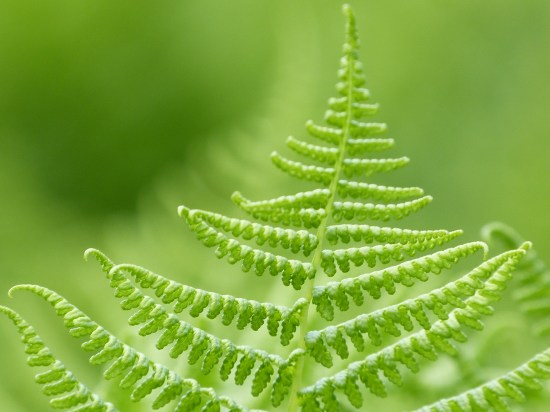
When life gets really busy… like right now… the easiest daily meditation doesn’t require a timer, or an app. It just requires you.
This is what you do. Sit comfortably. Rest your hands loosely on your lap.
Count the thumb and fingers of your left hand, one count per slow, relaxed breath. Lift each finger briefly in turn as you count.
Repeat with your right hand. So now you’ve counted five on each hand.
Then repeat the sequence twice more. So now in total you’ve counted five, six times over.
This is the ‘Three Tens’ meditation. When you’ve time for nothing else, do this. It will help!
Aquamarine bliss
14/11/2016 at 5:18 pm | Posted in Uncategorized | Leave a commentTags: healing, Health, inspiration, meditation, nature
The theme this week in my studio is ‘Aquamarine’. I invite you to focus on the beautiful green-blue colour of the sea. You know, the way it looks when waves rise up and daylight filters through the water…
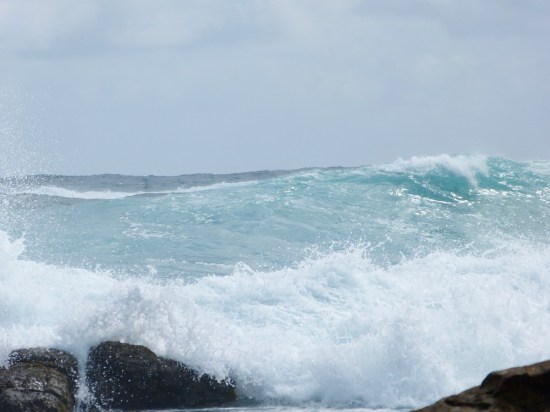
Here is a wellbeing exercise for you. Imagine you are made up entirely of this sea-glass colour. These pictures taken at Surfer’s Point in Western Australia may help you.
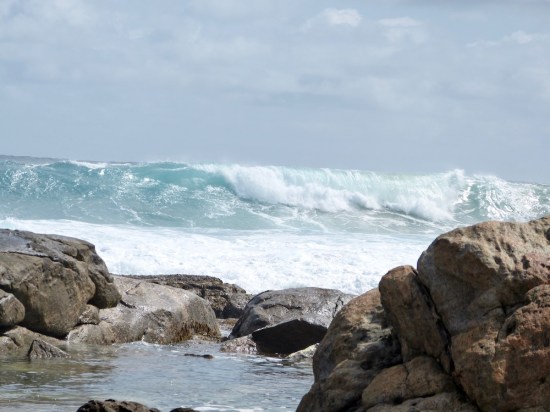
Visualise that any areas of pain or illness in your body are being washed away by the cleansing aquamarine light. Picture your body becoming more and more like aquamarine sea glass, as if lit from within. You might imagine that areas of pain are dark and dense, or sticky and gluey. As the water keeps washing through, these become dislodged until the whole of you is simply aquamarine: healthy; radiating with good health, and speaking with your own authentic voice. Enjoy the feeling!

Breathe your mantra
31/10/2016 at 9:45 am | Posted in Uncategorized | Leave a commentTags: inspiration, meditation
This is
a meditation
an exercise
Easy, but not quick
Breathe in “I am”
Breathe out “mantra”
Repeat
for twenty minutes
maybe thirty
Set a timer
so you don’t need
to worry about time
When you witness
your mind wandering
return to your
silent words
I am mantra
I am mantra
I am mantra
After a while
if you’re lucky
your mind will
offer up the mantra
that runs through
your core
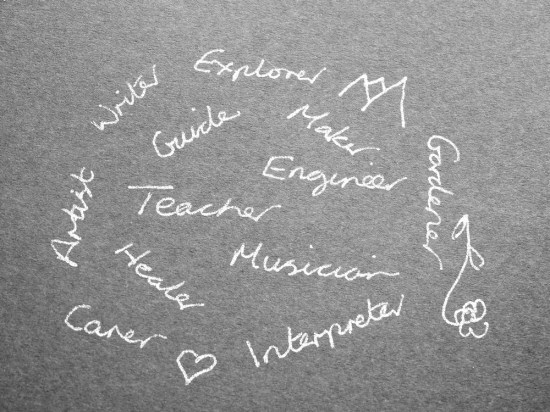
Are you teacher
healer, artist
explorer, engineer?
Are you carer
cook, musician
maker, even mystic?
Listen to the mantra
at your core
Don’t try to change it
Accept it, embrace it
I am mantra
I am mantra
That is all
What an ice mountain can tell you
30/07/2016 at 8:52 pm | Posted in Uncategorized | 1 CommentTags: Guidance, healing, insight, inspiration, meditation, nature, personal development, sacred site, travel
Some places feel special, in ways we don’t fully understand. One such I visited recently is Snaefellsjokull. This ice-capped volcanic mountain rises from a remote Western peninsula in Iceland. Its name translates as ‘Snow-fell glacier’.

Perhaps it feels remarkable because of the near-Arctic juxtaposition of ancient fire and eternal ice, enhanced by the mystery of ocean clouds.
Or maybe it’s because the myriad volcanic peaks in this region take on their own fierce presence in a stark landscape created by the slow separation of two major continental plates.

On the slopes of the glacier itself, the sense of presence grows stronger, along with a distinct chill. It’s easy to see why Jules Verne chose Snaefellsjokull as the entrance to the earth’s core in his novel, Journey to the Centre of the Earth.
There’s a purity and absolute freshness to the air, as though all human preconceptions have been frozen or blasted away.

The ancient volcano brings gifts to the watchful. My daughter found a piece of obsidian – black fire glass. And I discovered what I fancied to be the subtle, changing image of a fire sprite on a smooth piece of basalt.
Snaefellsjokull is said to be one of the sacred centres of the earth, a portal to other realms.

Standing on the glacier, it’s possible to see things differently… to recognise the true landscape of our own lives.

An ice mountain can tell you much about yourself.
Each of us carries within us the qualities of Snaefellsjokull: the ice and fire, the mystery and the deep, all held within a shimmering equilibrium that is subject to disruption when inner or outer forces overturn the state of balance.
Witnessing this in nature is to witness it in ourselves. We can open up to these qualities, and allow them to flow through the meridians, our own subtle energy channels.
There are four burning questions an ice mountain draws out of us:
• What in you is ready to be expressed?
• Look deeper now. What are you suppressing?
• Do you always recognise your own inner promptings towards action?
• And, above all, do you honour the passions and visions that ignite you?
Take time to answer these questions. They are a recipe for life-long wellbeing.

Why I value my son’s multinational carers
30/06/2016 at 9:32 am | Posted in Uncategorized | Leave a commentTags: brexit, gratitude, humanity, special needs
This article has also been published in The Huffington Post.
My 20-year-old son has multiple health issues, and learning difficulties. He therefore needs 24/7 care. He lives, term-time, at an outstanding specialist college. He is looked after by a fantastic team of carers, or facilitators, who come from a whole range of different places, including England, South Africa… and, of course, Eastern Europe. Poland is high on that list.

I would love to give the whole team bouquets of fragrant flowers. But I’m a little too British and reserved for that. The facilitators do so much for him. They cut his hair, trim his nails, help him to eat and drink, and routinely handle life-saving medical equipment under the supervision of his amazing nurses. They also support him to study, exercise and socialise – all the things that make life worthwhile. And they do it all in a way that respects him as an individual. He enjoys life, hugely. That’s only possible because of the team that supports him.
Over the weekend I spent an afternoon with my son. During that period, a carer arrived who was new to me.
“Where are you from?” I asked her.
“Poland,” she said. She didn’t say it with any sense of happiness. Though she smiled, she wasn’t exactly glowing. All was not well.
I paused, acutely aware of the ongoing post-Referendum backlash against Eastern European workers.
“I want you to know,” I said, “that we’ve both just signed the Petition.”
She looked surprised.
“You know, the Petition for a Second Referendum.”
“Yes, I know about the petition.”
I went on to explain how my son had communicated, very clearly, that he is keen to support his European friends and carers. He had taken great pleasure pressing one finger against the green box on the Petitions page. He had been keen to confirm his vote by email.
“Oh,” she replied. “I’m so glad you told me. That is really good to hear. It’s not pleasant at the moment, knowing that so many people in England don’t want us here. It’s not a nice feeling.”
She was visibly moved. When she left the room shortly afterwards, I have a feeling that there may have been tears.
The reality is that we get a huge amount of help – real, physical, caring help – from Europe. As the mother of a young person with complex needs, I know that it would be really hard to get enough of the support we need if we were to close our borders.
My son’s facilitators, with their diverse backgrounds, literally bring the world to him. During his intermittent hospital admissions, the carers stay by him. During long hours at my son’s bedside, my family has learned about different countries from a personal, human perspective. My son has absorbed all this information.
My family has learned on a deep level that humans are not so different from one another. We share remarkably similar values. We laugh at the same things. We cry with the same sadness. We all of us worry when we feel under attack. And we love in the same whole-hearted, hopeful way.
People are people, wherever you go. It’s only the background that changes. We are enriched beyond measure by the clever, compassionate, caring individuals who help our son. That includes all the ones from Britain, South Africa… and Eastern Europe.
The petition may, or may not result in a second Referendum – I hope it does. At the same time, although I voted Remain, I do respect and share the view that EU reform is needed.
However, I think the Petition’s purpose runs deeper than politics. Signing is an act that shows the many European residents in this country that we do welcome them, and are grateful for the work that they do.
I don’t give my son’s facilitators bouquets of fragrant flowers – perhaps I should. But I certainly hope these words will let them know how much we appreciate them.
Recipe: summer flower cordial
24/06/2016 at 6:20 pm | Posted in Uncategorized | 1 CommentTags: nature, nature recipes, naturecraft, recipe, wellbeing
This delicious summer drink is prepared over two fragrant, flower-filled days. It makes approx 2.5 litres.
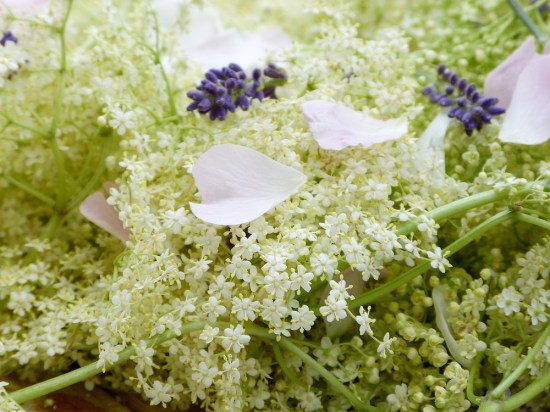
Day One
Take 20 or so elderflower heads with thick stalks removed, add a handful of rose petals (I used a mix of wild roses with some fragrant garden ones), seven sprigs of lavender, two sliced lemons and two handfuls of wild or cultivated strawberries. Meanwhile, add 1.3 kg sugar to 1.8 kg just boiled water in a big bowl. Stir to dissolve, creating syrupy water.
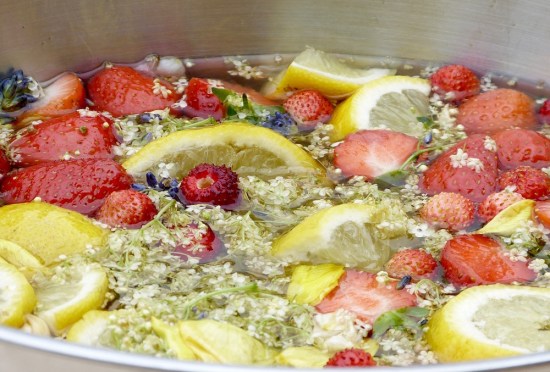
Add all ingredients to the bowl of syrupy water, cover with a cloth and leave for 24 hours.
Day Two
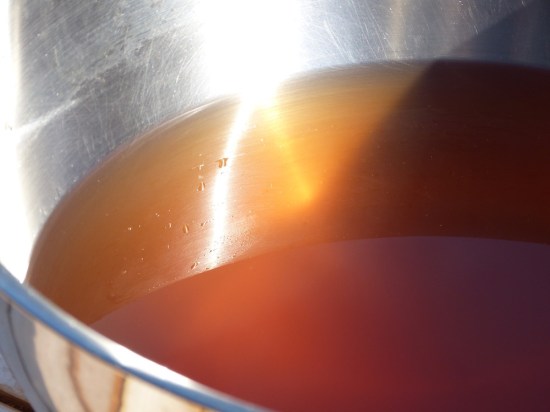
Strain mixture through a clean muslin cloth or old clean pillow case. Squeeze well to extract the juice. Pour the fragrant cordial into bottles.
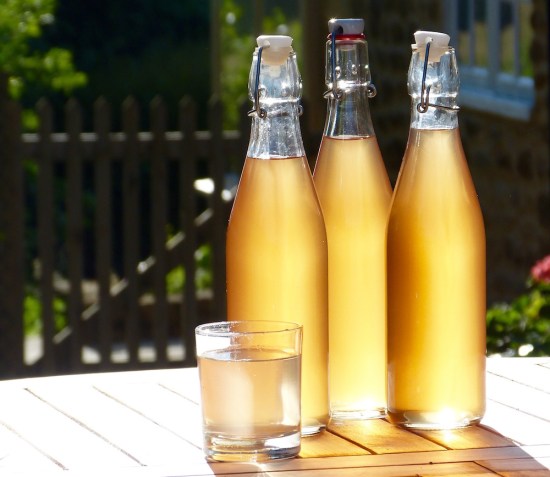
Drink diluted with water. Delicious! Also goes well with sparkling water, tonic water or even ginger ale.
Feel free to vary the flowers and fruit according to what you can find. That’s all part of the fun.
This is what I learned, living in an Intensive Care Unit
23/05/2016 at 7:21 am | Posted in Uncategorized | 5 CommentsTags: healing, intensive care, life skills, meditation, mindfulness, personal growth, special needs
This post has also been published on the Huffington Post.
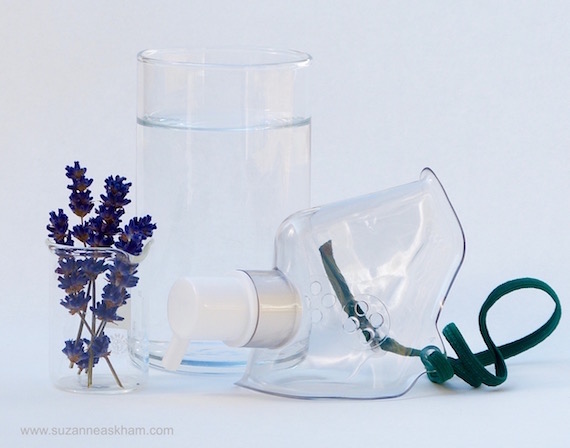
Recently I had the rare and shocking privilege of living in an Intensive Care Unit, or ICU, for three months. I was not a patient, nor a member of staff. I was there because my teenaged son became critically ill. Tim’s learning difficulties meant that he needed his dad or me to be with him virtually all the time. I stayed every night for the first month, and then around five nights a week thereafter.
It had happened with frightening speed. We had been at home, about to eat supper, when Tim collapsed with breathing difficulties and an ambulance was called. Tim’s resourceful younger sister speed-packed overnight bags while the paramedics administered huge amounts of oxygen.
By the time we reached the hospital, Tim was drifting away. He was put on a ventilator, then transferred to the ICU. Tim’s dad and I sat in the waiting room. Fear. Waiting. Fear. And so, although I didn’t know it then, our three-month sojourn began.
In this life and death situation, my choice, as a mother, was binary. I could choose love or fear. Love meant seeing the good in every particle of this unwanted experience. Fear meant resisting it. Fear would drain me of energy. Love would enable me to channel all my energy into helping my son.
I resolved to choose love. That didn’t mean I wasn’t frightened. It’s just that at every point of awareness, I chose love. I decided to view the experience as a retreat, in which I would learn from the kindness of nurses and the alchemical wisdom of doctors.
During those three months, I learned that crisis means looking after yourself as well as doing your best to help others. Specifically, I learned the following five insights.
1. Appreciate and care for your body.
Of the three groups of people who passed through the ICU – patients, relatives and medical staff – the fittest group were the medical staff. They drank lots of water. In their spare time, they went to the gym, did yoga, meditated, cycled, danced, played tennis, rode horses, ran marathons…. They weren’t obsessive. Chocolate and crisps were regular treats, especially during long working shifts. However, there was a belief that exercise was important, and that it might help them to avoid ending up in a hospital bed on life support.
2. Pause, breathe. Sit still in silence every day.
Meditation can be done among beeping machines, and it calms turbulent emotions like nothing else. Even in extremis, the mind can become clear and calm, like a deep mountain pool.
The first night, sitting with my son, I found it helpful to breathe in a silent ‘I am here’, and breathe out a silent, ‘now’. It enabled me to ground myself in the shock of this new situation – to accept it. Consequently, I became a calmer presence for Tim.
Meditation enables us to pause before we blindly follow external voices of authority. I felt that, deep down, Tim resolutely believed that he could recover, even though the medical staff had little hope. So his dad and I chose to support him assertively in his belief.
3. Give healing when you are drawn to do so.
Call it what you will: healing, prayers, love. Just do it. You’ll be in good company. A recent Gallop survey showed that nearly 90% of Americans have prayed for healing for others. A quarter have practised laying on of hands. Every day in the ICU, I sensed the presence of major disturbances in Tim caused by pain, drugs and fear. When I consciously directed love to him, it seemed to me that the disturbances lessened. At the same time, I sensed that many other people were praying for him and sending healing.
I massaged my son’s limbs with lavender and sweet almond oil, and visualised golden white light entering my son’s inert body, energising and healing every cell.
4. Choose uplifting language.
On Day 3, a time of minimum hope, I drew a good health mandala picture for my son, with encouraging words among brightly coloured flower petals and leaves. I wrote a note below it: `Deep down, you are healthy and well, and have the energy, determination and love that you need to thrive. I love you very much, always’.
5. Adopt a mindset of wellness.
As Tim thankfully began to recover, he was keen to leave his room and explore the hospital by wheelchair. We visited the maternity ward’s pretty garden. We went painting in the children’s ward. We danced with dementia patients. We circled a small peaceful lake in the grounds. One day, ten family members went for a walk around the hospital, with Tim frail but determined at the front. We also discovered a rehab gym, and Tim developed a reputation among the doctors for visiting the gym every day.
All these deeds created an impression around Tim that he was on his way to being fit and well. The collective thinking around him changed, from scarcely any hope to cautious optimism. In turn, that spurred him on to become more adventurous. In short, he was acting like a young man who, despite his disabilities, was used to leading an active, even sporty life.
On Day 96, Tim was discharged from hospital. Our family was so thankful. I now understand that crisis is a natural part of life. Sooner or later, stuff happens. Our challenge is to choose those moments, as much as the long calm periods in between, to live life to the full – however long it lasts.
To be a gardener of the mind
05/05/2016 at 10:17 pm | Posted in Uncategorized | Leave a commentTags: Guidance, life skills, meditation, mindfulness, nature, personal growth, s
 The Studio garden is warming up. Wild cherry blossoms are opening in the sunlight. Cowslips and primroses are mingling with bluebells and forget-me-nots. There’s plenty of gardening to do, even in this semi-wild space. The earth always brings new insights into nature and human nature.
Today I’m removing weeds to create space for cultivated plants. Weeds are ok. Many are edible: dandelions, bramble, chickweed and nettle are harvested elsewhere in the garden for herbal teas, salads, pies and the cooking pot. Others are beautiful: bindweed throws white trumpet flowers over the hedgerow that separates garden from field.
But I’m not letting any wild plants take over the entire garden. I am choosing where they can thrive, and where they cannot.
This choosing of what may grow and what may not is very like the way we tend our minds.
Thoughts we think habitually are like plants with long, tenacious roots.
Thoughts that are more transient are like annual plants, with shallow roots.
The annual plants are easy to pull up, should we wish to. Chickweed pretty well lives on the surface, and can be scooped up for salads. Annual plants resemble topics that grab our attention for a season, and then vanish.
The most established perennial plants, however, are deeply entrenched. Bindweed and bramble have roots that travel horizontally long distances underground. Horsetail has roots that can grow a full two metres deep. These can be likened to long-held family beliefs that have been handed down through many generations.

We can choose to be gardeners of the mind by doing these three things:
• Become aware of our thoughts and beliefs, through techniques such as mindfulness, meditation, and gardening.
• Witness these thoughts with non-judgmental loving kindness.
• Cultivate the thoughts that make sense, that support and nourish us; let go of the thoughts that don’t.
And then we need to keep doing these things, season after season. That’s how we become gardeners of the mind.
Breathing mindfully the ocean way
08/04/2016 at 6:04 pm | Posted in Uncategorized | Leave a commentTags: Guidance, happiness, inspiration, meditation, mindfulness, nature, wellbeing

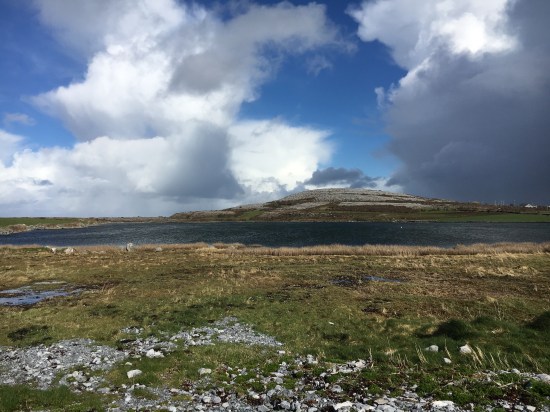
I stood on a bumpy shore in Galway, Ireland and breathed in salty cool Atlantic air. Suddenly, my lungs were filled with fresh ocean breezes. Each in-breath came with an excitement of Atlantic energy. Each out-breath took with it a thousand everyday stresses.
In a situation like that, you can’t help but be fully present. My mind wasn’t about to wander, because the experience was so vivid.
All my senses were engaged with savouring this moment. I could taste the salt in the air, feel the wind speed-weaving my hair into maritime knots, see the sunlight dancing through fast moving clouds, breathe in the tangy scent of seaweed, and hear the waves lapping against pebbles. Additionally, the wind was chilling!
The challenge is to breathe equally mindfully in familiar situations – in our everyday life. In fact, this is one of the very best meditations to practise regularly. Simply sit in silence once a day – first thing in the morning is perfect – and focus on your breathing for 20 minutes or so. And notice what you notice.
Here are three techniques that can be helpful.
1. Treat every mindful breathing session as though it’s the first time. You are a traveller, newly arrived at this shoreline of your breathing. Witness the air entering you as though it’s the most amazing newcomer in your life. Witness it leaving you like the life-long friend it is.
2. Focus on a particular point: such as the nostrils, the lungs or the abdomen. Notice the sensation of the air as it enters and leaves you. Witness how your muscles expand and contract rhythmically. Mindfulness pioneer Jon Kabat-Zinn suggests focusing on the belly, and likens it to the deeper, slower moving currents of the ocean: “When we focus on our breathing down in the belly,” he writes in Full Catastrophe Living, “we are tuning into a region of the body that is far from the head and thus far below the agitations of our thinking mind. It is intrinsically calmer.”
3. At intervals during your day, whenever you remember to, briefly observe your breathing. When you next feel stressed, make a point of noticing what is happening to your breath. Focus on the belly, as it rises with the in-breath and falls with the out-breath. Sometimes this movement is subtle. In the time you take to witness it, the stress or surface agitation has often lessened. It’s as if that pause creates a tiny gap in the stressfully woven fabric of your life, and loosens every thing up so new options can emerge.
Website Built with WordPress.com.
Entries and comments feeds.

