How to gather and cook wild garlic
01/05/2015 at 10:50 am | Posted in Uncategorized | 4 CommentsTags: flowers, healing, Health, herbs, nature, nature recipes, naturecraft
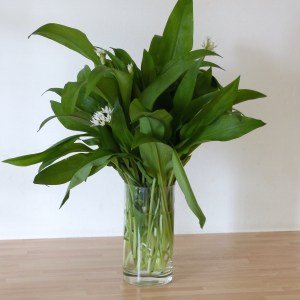
 Wild garlic grows in vast, natural fields in damp woodlands in the spring. It’s just waiting for you to harvest it and if the buds are looking like this one above, the perfect time to harvest is right now. Here are some guidelines for you.
Be sure to identify it correctly
Wild garlic, or Allium ursinum, has long very pale green stems. Its leaves are arrowhead-shaped, one per stem. Its buds grow one per stem, and opens out into a loose tuft of pretty white flowers. Every part of the flower has a pungent garlicky fragrance which is best experienced by crushing a leaf lightly between your fingers. There are two toxic plants that must never be confused with wild garlic. Lily of the valley has similar leaves but purple stems, and its flowers grow in a long spray. Lord and Ladies, an arum, has different shaped leaves but grows among the wild garlic and could be scooped up by an over-hasty picker.
Only gather what you need
One spring I went out with relatives and we all went a bit crazy, picking as much garlic as we could carry. Of course it was next to impossible to process all that food, and I’m sorry to say some of the surplus ended up in the compost. It’s a plant that is best eaten fresh, so just gather what you need. If you’re intending to cook wild garlic as a side dish, 20 leaves per person makes a generous portion.
Pick the stems low to the ground
The stems have a more delicate taste and pleasant texture, so be sure to collect them as well as the green leaves. Don’t unearth the bulbs which are very small. The goodness we want is in the aerial part of the plant: the part above the ground.
 Process it early
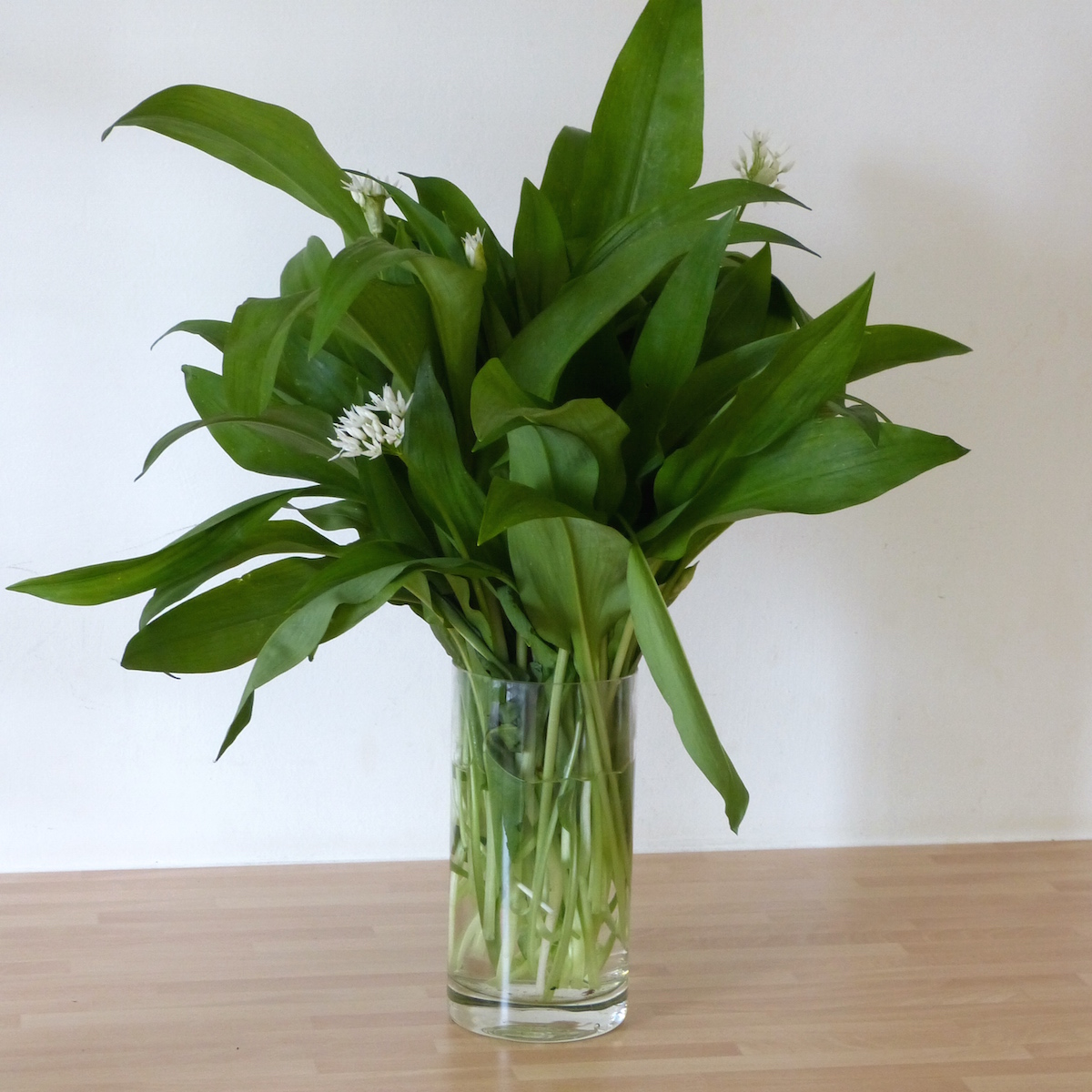
It will keep for two or three days in your kitchen, either in a loose bag in the fridge, or in water as shown here.
Eat it raw
Wash, chop roughly and add in small quantities to salads. The open flowers can also be added to salads, contributing beauty and an amazing peppery taste. 
Create a pesto
There are many recipes on the internet. My favourites don’t copy the classic basil pesto, but blend ingredients that perfectly suit garlic’s distinctive taste. This is a great example by Hugh Fearnley Whittingstall. Blend 50 g of lightly toasted and cooled walnuts in a food processor with around 75 g of washed and chopped garlic leaves, 35 g parmesan cheese, finely grated zest and juice from half an unwaxed lemon and around 130 ml of olive oil. Add sea salt and black pepper to taste. Spoon into a clean empty jar, and store in the fridge. It will keep for several days, but probably won’t last that long – too yummy! You can also freeze portions for up to six months, in my experience. Mix it with pasta or spread on crisp bread.
Cook it as a spring green
Wash and roughly chop leaves and stems, and simmer for a few minutes in a little water until soft and wilted. Make sure the pan doesn’t boil dry. The flavour when cooked is remarkably mild, making it a perfect spring vegetable. You can also add the washed, chopped leaves to a casserole for the last few minutes of cooking. You can create a soup with onion, a little potato, and lots of wild garlic with seasoning and a swirl of cream. Or you can simply add a single raw garlic bud to the centre of any soup as a peppery garnish.
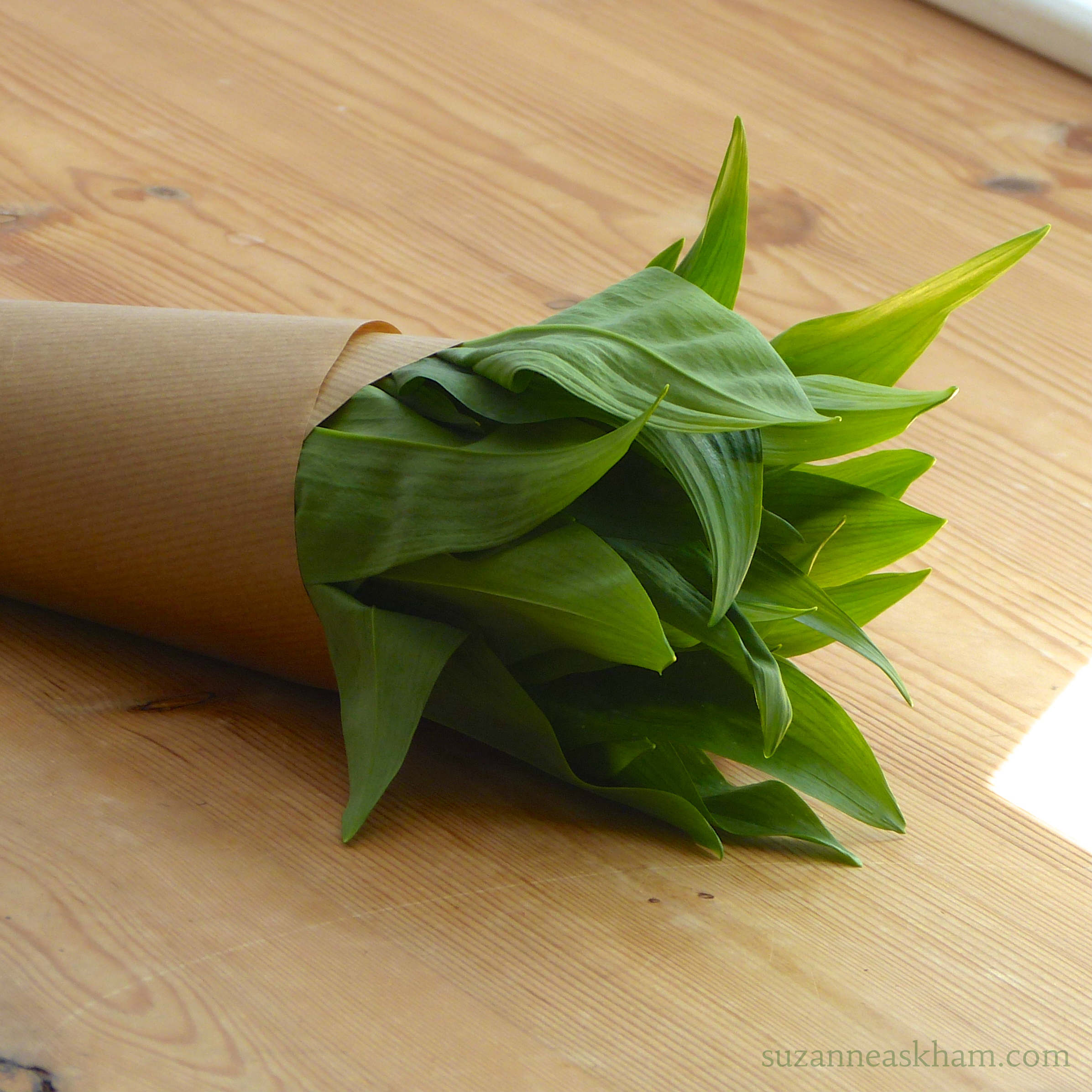
Give a truly fragrant gift
Wrap some wild garlic up in some brown paper and write some simple instructions on the paper. As gifts go, it’s a definite talking point, and you may even be introducing someone to a great spring ingredient. A jar of wild garlic pesto is another popular foodie gift.
Bask in the health benefits
Wild garlic is antibacterial and antiviral, and of all the allium family it is particularly good at lowering blood pressure. So it’s helpful for your immunity and your heart.
Bookmark your intention
10/04/2015 at 8:34 am | Posted in Uncategorized | 1 CommentTags: affirmation, Guidance, inspiration, Intuition, journalling, life skills, Mind body spirit, personal growth, positive thinking, self-development, special needs, success
Not so long ago, I was doing a lot of caring for others, and forgetting to care for myself. Therefore, I was running on empty: constantly tired; crabby. My caring for others had become a monster that went through the motions and denied my loved ones the true energy of compassion.
This went on for several days. Then, one morning, in that dreamy state between sleep and awakening, I saw a bookmark hovering in front of me. You know, the long, thin rectangular sort that you put in a proper card-and-paper book.
“Bookmark your intention for today,” said a wise teacher who was invisibly beside me. And at once I saw words appearing on the bookmark. I understood then that I was choosing a simple, uncomplicated intention for the day. My intention – far shorter than a typical ‘to-do’ list – was to help a particular relative in a specific way, and also to care for myself. That was all. Sure, there would be other activities in the day, but my intention was just those two things.
And with that knowledge, I stopped feeling tired and overwhelmed. The energy of life and compassion returned to me.
Additionally, I understood that each new morning benefits from a fresh bookmark, spelling out an intention for that particular day.
What is your intention for today? Keep it simple. There’s only room for a few well-chosen words on a bookmark.
Spiritual: a quick definition
08/04/2015 at 4:27 pm | Posted in Uncategorized | 6 CommentsTags: chakras, inspiration, meditation, mindfulness, nature, peace, personal growth, self-awareness, Spirituality, wisdom

People often talk about being spiritual. Others deny that the spiritual realm even exists. But what does being spiritual actually mean? Here is a definition that works for me:
Beyond the levels of thinking and feeling lies pure consciousness, which we experience as pure love. Reaching this is spiritual transformation.
Once you’ve been there – really been there – you’ll always have it. It never goes away, although sometimes we manage to forget it for a while. However, we always remember sooner or later. It has a way of reminding us.
We get there by being fully present in the moment, and thus forgetting our ego-centred worries and desires. Looking at a beautiful aspect of nature – such as a flower, or a small child – can bring us to the shores of the spiritual realm. So, too, can a regular practice of meditation. Sometimes, this happens spontaneously, especially in those moments between sleep and waking. And it can also happen in extremis, when our ego-driven policies are no longer working for us, and we find ourselves yielding to a different, infinitely vaster view of the universe.

Next week a new, huge series of meditations begins in the Studio. Term by term, for seven terms, we’re going to focus on each of the main chakras – the energy centres that enable us to function in the physical realm, and also to develop our deeper understanding of life. This epic theme is designed to suit all levels of ability, and you can dip in and out as you wish. The intention is that we will focus ever more fully on the building blocks of our human psyche and our interface with the wider world.
This term, from now until July, we’ll be focusing on the base or root chakra, which is concerned with physical survival and manifestation. Join us whenever you can. And I hope you will experience the bliss of the spiritual, one word at a time.
The secret of simple
06/04/2015 at 6:17 pm | Posted in Uncategorized | 2 CommentsTags: craft, happiness, inspiration, life skills, meditation, mindfulness, personal growth, pre-history, wisdom
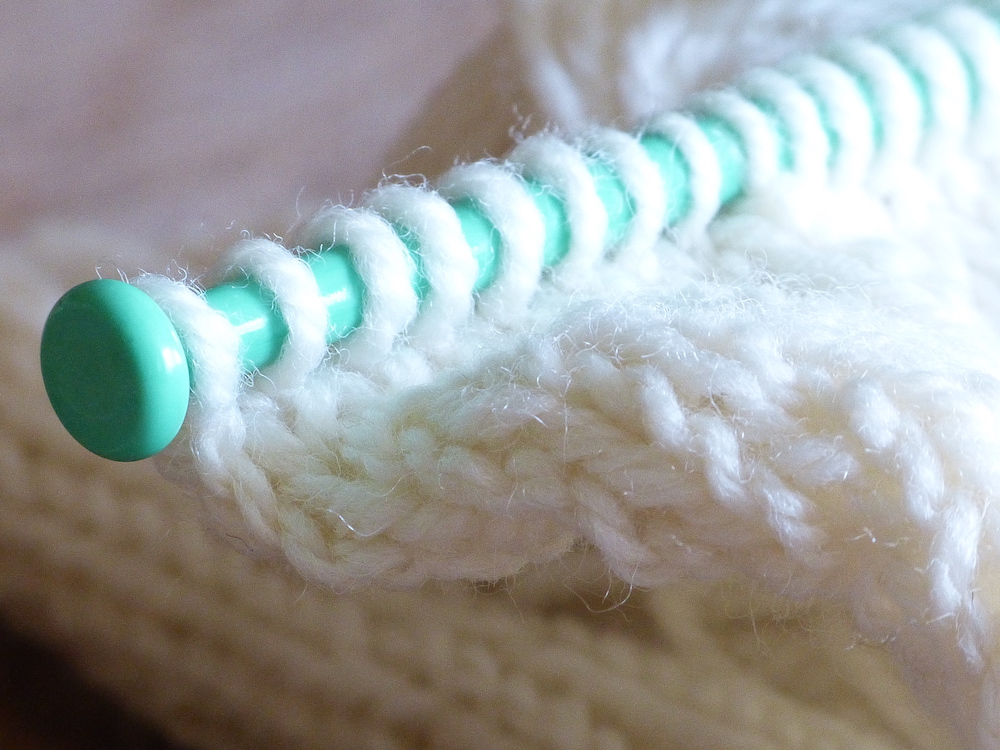
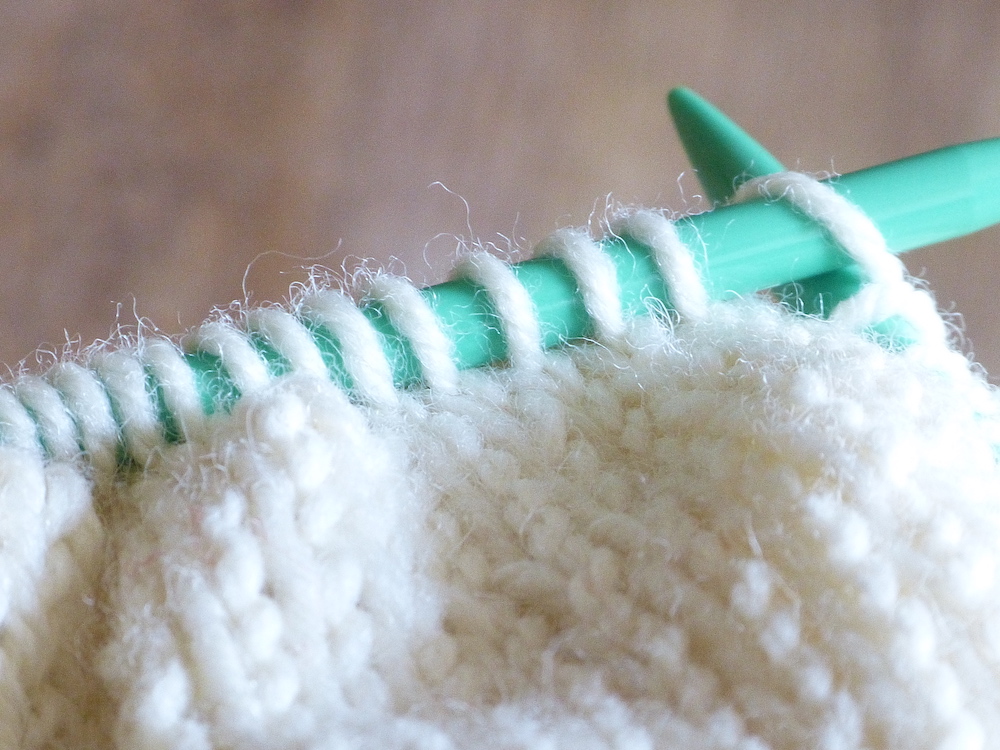
Yesterday I started knitting again for the first time in over 30 years. I had a pair of vintage green needles, and some hand-me-down Aran wool, and some good female company: mother, niece and daughter.
To my surprise, I quickly fell into a peaceful rhythm of softly clicking needles. There was a satisfaction in knowing that a very simple garment – a scarf, or snood – was being made. Something soothing was happening to the neural pathways of my brain as I repeated the same intricate knotting movement over and over. It reminded me of the repetitious nature of meditation, and how that creates a pool of calm in the mind. But there was something else too.
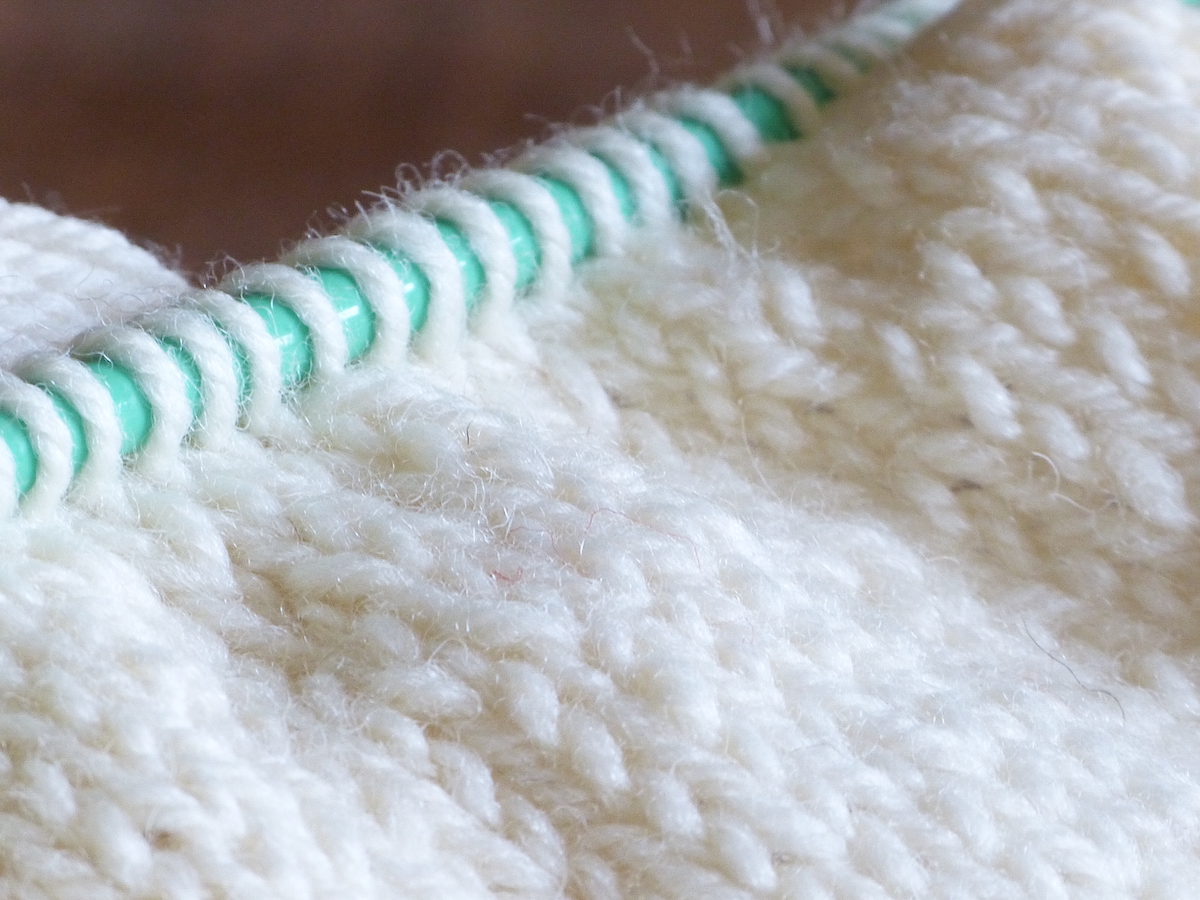
It was as if the endless knotting was tapping on the door of an ancient racial memory: of women making garments with the simplest of tools: needles of wood or bone. In clothing their families, they were also creating the fabric of society, through the mingled act of cloth-making and conversation.
I thought, then, of the times I have been caught up in the hamster wheel cycles of a ceaselessly questioning mind. And I understood that doing the simple things that pertain to survival can help any of us stay sane. I’m talking about activities like making bread by hand; or building and lighting a fire; or sowing and growing lettuces to eat… or, of course, creating a garment with two softly clicking needles.
What is your choice of simple today?
A rose for hard times
31/03/2015 at 7:52 am | Posted in Uncategorized | 4 CommentsTags: flowers, happiness, healing, inspiration, life skills, meditation, nature, parenting, positive thinking, special needs, visualization, wellbeing
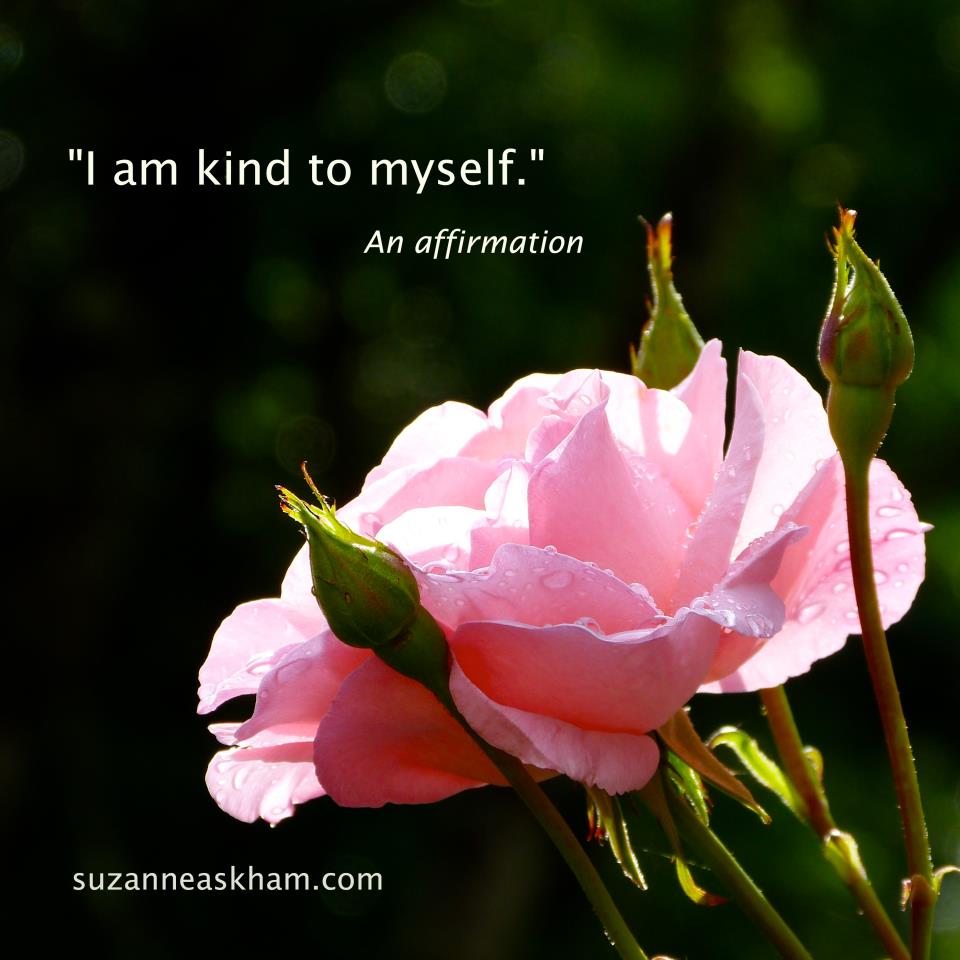
There’s a simple meditative technique we can use in hard times. I call it the Rose Meditation. You can do this anywhere: cleaning the house, ploughing through work, undergoing medical treatment, in a high-voltage meeting….
All you do is this: focus, in your mind’s eye, on a rose. The example shown here was photographed after rain, in the sunshine of the Dordogne.
Picture the feather-light, velvety smoothness of the petals. Imagine yourself miniaturised, resting between the scented petals as though they are the softest bed in the world. Breathe in their heavenly fragrance.
Notice the variations in colour between the inner and outer petals. Absorb the beautiful colours with every cell of your body.
Touch the raindrops; taste their sweetness.
Explore the petals, going inward towards the nectar, and outwards again towards the sun and fresh air.
Do this visualisation any time you feel the need. The rose contains powerful therapy, and simply thinking about it in this way can be soothing, and healing.
Why ‘eternal’ is the new ‘now’
23/03/2015 at 6:25 pm | Posted in Uncategorized | 2 CommentsTags: Guidance, insight, inspiration, meditation, Mind body spirit, personal growth, self-awareness, self-development, Spirituality
 This week we’re focusing on the word ‘eternal’. It’s the final theme in our series, Adapting Mindfully to Change. The idea is that underlying the myriad worldly changes that we grapple with, there is a pure unchanging energy that we might call universal consciousness. It’s the realm of unity, and of our spiritual identity.
In this morning’s session the group was fizzing. The talk was of ‘rebooting’ after the global shift in energy from the Vernal Equinox, not to mention the recent solar eclipse, and the supermoon…. But then we did manage to sit in silence. We breathed in “I am” and breathed out “eternal”.
And that’s the thing. Simply doing this, and keeping on even though our minds are racing, does bring peace. It enables us to step off the hamster wheel of distracting thoughts and dramas.
In The Power of Now, Eckhart Tolle talks about having deep roots within – to connect consciously with our inner body, our essential energy. This is the essence of us that feels eternally young, however many calendar years we have. When we sit quietly with that energy, it is possible for the constraints of time to dissolve. We become fully present in the moment, aware that we are part of a blissfully soothing current of peace. If we look at our lives from the perspective of that peace, events appear like movies. We notice, almost lazily, that we don’t need to perpetuate the arguments and we can effortlessly forgive everyone, including ourselves, because actually there is nothing to forgive.
Tolle describes this as a divine reality. “What is God?” he writes. “The eternal One Life underneath all the forms of life. What is love? To feel the presence of that One Life deep within yourself and within all creatures. To be it. Therefore, all love is the love of God.”
We’re meditating on the word ‘journal’
05/03/2015 at 4:31 pm | Posted in Uncategorized | 2 CommentsTags: Guidance, innermost feelings, inspiration, journalling, meditation, Mind body spirit, parenting, personal growth, self-awareness, self-development, special needs, Spirituality
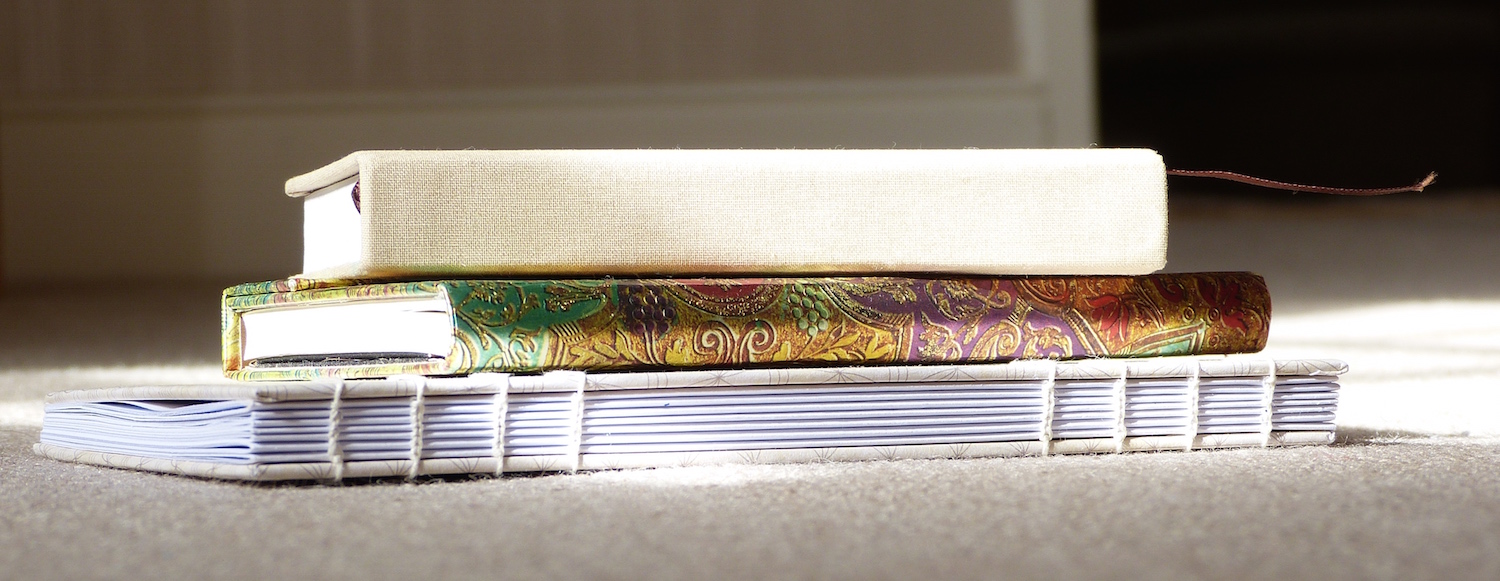
This week we’re meditating on the word ‘journal’. Many of us write journals. We love the act of buying a new notebook. There’s something gently intoxicating about the texture and scent of pristine pages. The writing itself is therapeutic. Often, it’s during the act of writing that we recognise how we actually feel. A journal, kept for decades, can even become a family heirloom.
And yet, even if we never put pen to paper, we are still recording life’s experiences, on the canvas of our own bodies. Habitual emotions are etched onto our faces through countless repetitions. Stored traumas alter the way we move our muscles and block the spontaneity of our movements. Happiness, in contrast, causes us to soften and glow. As Caroline Myss, author and speaker on human consciousness, has said, “Your biology becomes your biography.”
Meditating on the word ‘journal’ can be a challenge. We may not want to revisit the tricky times that are now indelibly recorded in book and body. Many of us would rather keep our life journals firmly closed. We may therefore feel resistance, even while we’re sitting still and trying to clear our minds.
However, there is a simple trick that can transform this meditation. I’d like you to picture, now, the brilliant white light that you can sometimes see emanating from a beautiful clear crystal, such as rock quartz. The light comes from a plane deep inside the crystal. Its beauty, shining from within, is a reminder of your own inner light. In your meditation, picture that light radiating from the pages of your journal, or from the canvas of your body.
It’s possible to see all of life’s events as though they were lit from within – with a soul light, if you like. From that perspective, it’s easier to recognise the gifts within a challenging experience, and also the new skills we’ve acquired from it, such as self-respect, wisdom and forgiveness.
We’re meditating on discovery
22/02/2015 at 4:16 pm | Posted in Uncategorized | 2 CommentsTags: gratitude, Guidance, inspiration, meditation, Mind body spirit, mindfulness, poetry

The word we’re meditating on this week is ‘Discovery’.
When we regularly sit down in quietness and allow the busy thoughts of our mind to subside, a clarity can emerge which spreads into every aspect of our life. We see things as though they are lit from the inside. We gain insights. This process of looking at the familiar and seeing it afresh is one of the best forms of discovery, and one of meditation’s great gifts.
The following is an example from this morning, when I simply looked out of a window, saw cars in the far distance, and understood on a deeper level that each vehicle contained a shining soul.
What discoveries will come your way today?
The Road to Calne
Shining beads glide
between fields of frost
under the rosy sky
of our potential.
~~~
Each bead, a soul
hiding from its light,
disturbed by the future,
wounded from the past.
~~~
If we dare see
how brightly we glow,
our heavy cloaks of fear
dissolve in the warmth.
The thing about gates
11/02/2015 at 9:35 pm | Posted in Uncategorized | 3 CommentsTags: Guidance, life skills, meditation, Mind body spirit, mindfulness, self-awareness
This week, in the studio, we’re meditating on the word ‘gateway’. And the thing we discovered on Monday is that there is no such thing as a half-open gate, not really. In the fields around the studio, a gate is either unlatched and open:

Or it’s latched and closed:

An unlatched gate in the country is designed to swing wide open. Cattle, sheep and people walk through. There are no half-measures. The gate is never just a little bit open. If it’s open, it’s open.
It all comes down to the latch.
When we are not living mindfully, we can kid ourselves that a gate along our own life path is open when it isn’t really. And because it isn’t really open, we never quite seem to get the job we want, or the partner, or the professional awards. We get frustrated, and can’t understand why we don’t progress.
Sitting quietly in meditation can help us to recognise that we haven’t actually lifted the latch and opened the gate to new opportunities along our path. We can also see the reason: we’re reluctant to leave the past; or we’re nervous about the future.
When we become aware of our conflicting emotions about progress, we can see more clearly how our own actions are keeping the latch closed. And then, we can mindfully choose to open the latch and walk through into the future.
Conversely, sometimes our boundaries are wide open. When that happens, we feel tugged by conflicting external demands; we don’t have enough rest time, or privacy. It can be useful then to sit quietly in meditation and tune into that gate latch once more. Why have we left the gate hanging wide open? What would happen if we closed the gate at least some of the time? That would mean saying ‘no’ to people. It would mean scheduling time in our diary for us. That would be a good feeling.
Intuitive mindfulness is a match made in heaven
03/01/2015 at 1:06 pm | Posted in Uncategorized | Leave a commentTags: Guidance, Intuition, meditation, Mind body spirit, mindfulness, peace, Spirituality, wellbeing
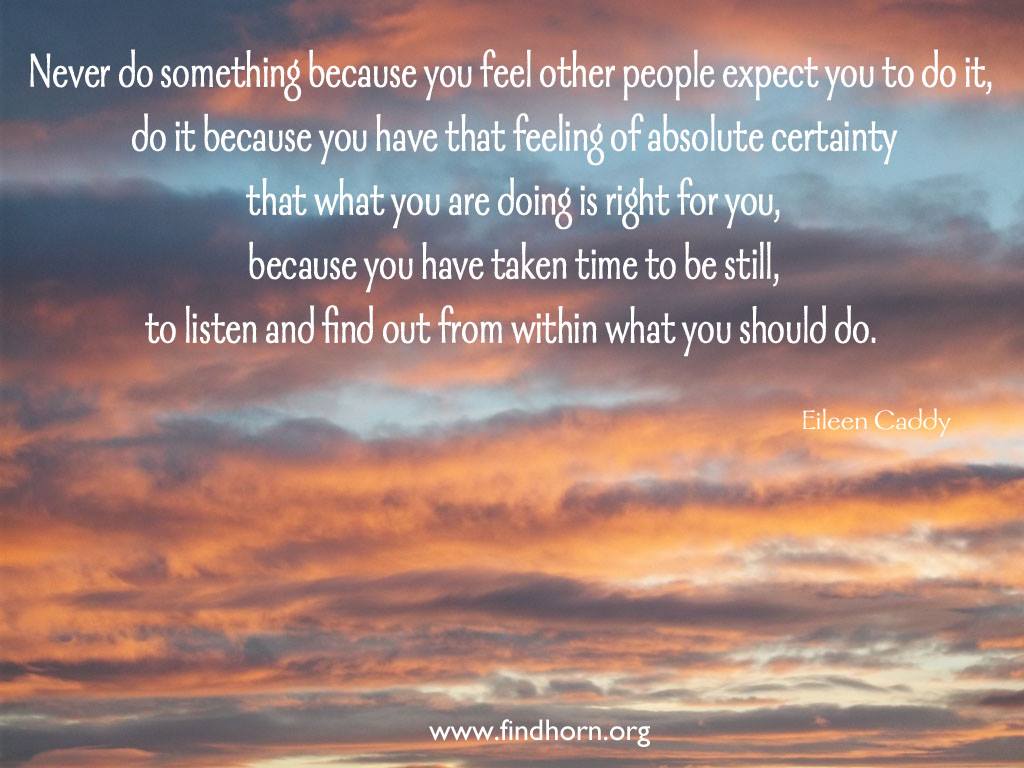
“Never do something because you feel other people expect you to do it, do it because you have that feeling of absolute certainty that what you are doing is right for you, because you have taken the time to be still, to listen and find out from within what you should do.”
The words are by Eileen Caddy, co-founder of the the Findhorn Foundation in Scotland. The poster here is shared with thanks to that spiritual community. Eileen Caddy’s book of inspirational writings, Opening Doors Within, was a major influence on me when I first thought about running meditation workshops in a Wiltshire studio.
The principle of noticing what you notice is central to mindfulness. When we are mindful, we focus on our breath, our pulse, the position of our body, the feel of the chair beneath us, the temperature of the air entering and leaving us, and so on. We notice what we are doing in the present moment, without rushing on to the future, or dwelling in the past.
When we mindfully wash dishes at a sink, for example, we take our time noticing the rainbow colours in the detergent bubbles, the feel of water against the surface of our hands, the sound and movement of dishes within a bowl of warm water.
As Thich Nhat Hanh teaches through his many writings on mindfulness, when we are fully present, we experience peace.
What is less widely talked about is that when we are mindfully present, we allow the quiet inner voice of our intuition to be heard. This is what Eileen Caddy understood fully, and Findhorn still encourages this in myriad ways today.
Noticing what you notice is an integral part of receiving intuitive guidance. Being mindful is essential if we want to understand what we truly feel, and the direction that we fundamentally wish to go.
Website Built with WordPress.com.
Entries and comments feeds.

