We’re meditating on discovery
22/02/2015 at 4:16 pm | Posted in Uncategorized | 2 CommentsTags: gratitude, Guidance, inspiration, meditation, Mind body spirit, mindfulness, poetry
The word we’re meditating on this week is ‘Discovery’.
When we regularly sit down in quietness and allow the busy thoughts of our mind to subside, a clarity can emerge which spreads into every aspect of our life. We see things as though they are lit from the inside. We gain insights. This process of looking at the familiar and seeing it afresh is one of the best forms of discovery, and one of meditation’s great gifts.
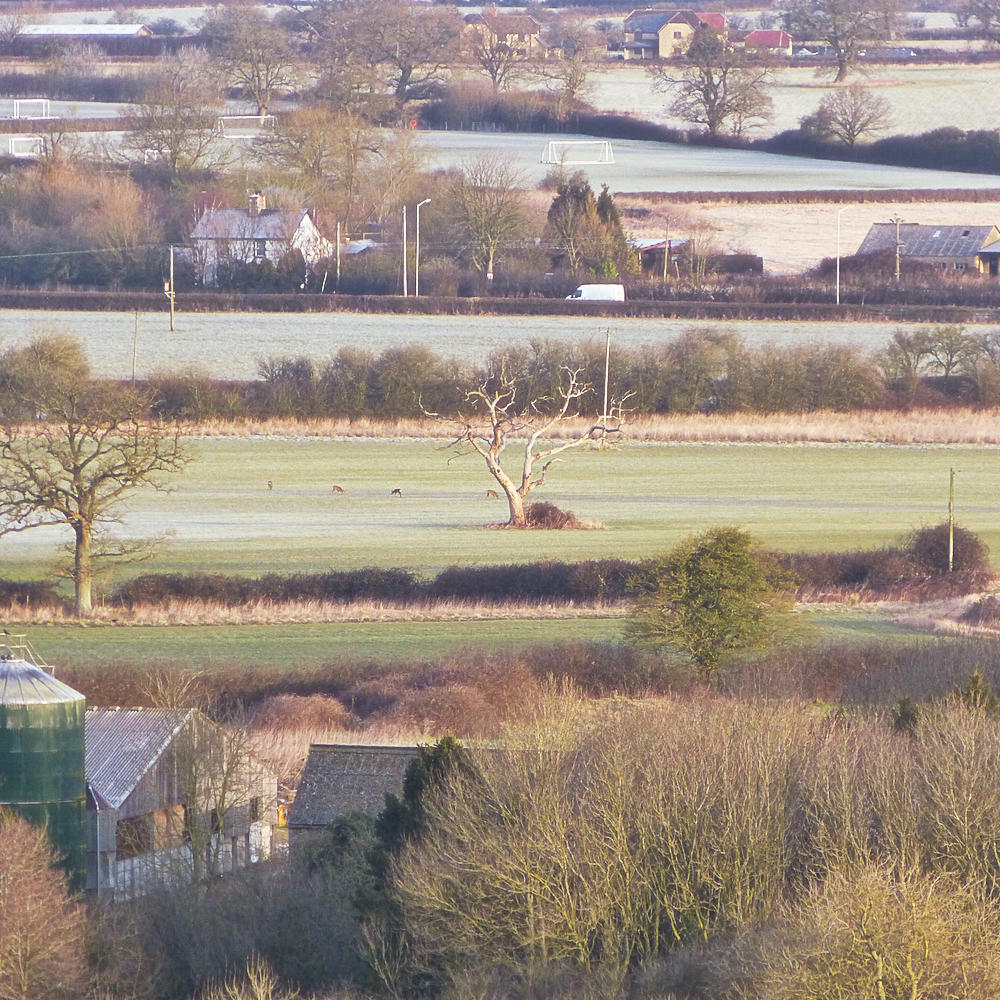
The following is an example from this morning, when I simply looked out of a window, saw cars in the far distance, and understood on a deeper level that each vehicle contained a shining soul.
What discoveries will come your way today?
The Road to Calne
Shining beads glide
between fields of frost
under the rosy sky
of our potential.
~~~
Each bead, a soul
hiding from its light,
disturbed by the future,
wounded from the past.
~~~
If we dare see
how brightly we glow,
our heavy cloaks of fear
dissolve in the warmth.
Three guidelines for any group
07/12/2014 at 8:54 pm | Posted in Uncategorized | 1 CommentTags: Guidance, inspiration, life skills, meditation, Mind body spirit, Spirituality

These guidelines came to me a few years ago from Pierre Pradevand, author of The Gentle Art of Blessing. It was the start of a delightful weekend retreat in Derbyshire. I’m sure his three peaceful rules enhanced the atmosphere. Ever since, I have shared the guidelines with those who meditate with me, two or three times a week, in Wiltshire. Now seems a good time to share them here. They apply to any group situation.
1) Listen without judgement, in a supportive and caring way.
2) Respect confidentiality. If someone is telling you something of a sensitive nature, keep it to yourself, understand that this is a privileged moment. Do not talk about it later to others.
3) Own your own experience. Say, “I feel”, rather than “You feel”. It’s surprising how often we cut ourselves off from our own emotions by describing them as though they belong to the listener, rather than the talker.
Here is an example of the third guideline:
“When your children leave home, you feel sad,” says one speaker.
“When my children left home, I felt sad,” says another.
Can you feel how much more powerful and authentic the second sentence is? It’s also easier to empathise with the second speaker.
When we own our own experience, respect confidentiality, and listen in a supportive way without judgement, our corner of the world becomes infinitely more peaceful.
Welcome to the Studio
02/11/2014 at 2:18 pm | Posted in Uncategorized | 4 CommentsTags: artist, colour, craft, flower, inspiration, meditation, Spirituality, wisdom

This is the beautiful new glass window that visitors to the studio get to see. It depicts Star Gazer lilies. Around them are some of the key words that we meditate on: words such as ‘love’, ‘peace’ and ‘joy’.
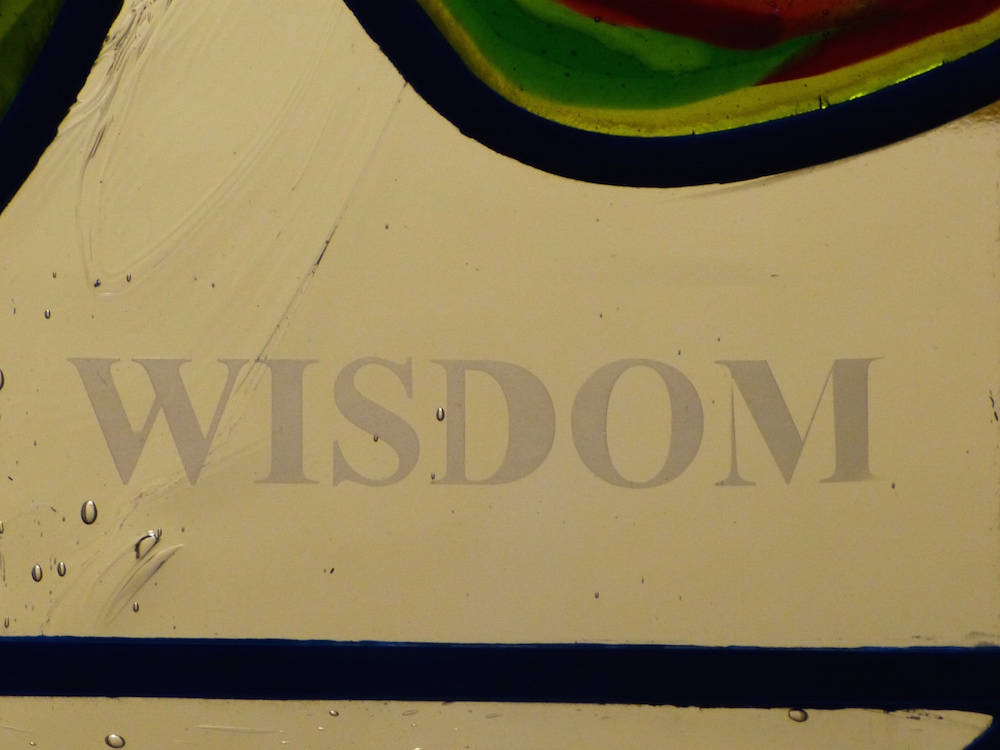
It was made by the talented glass artist Mary Quarmby. There was no better person for the job. Five years ago, when I was just beginning to think about running meditation workshops, I bumped into Mary at a craft fair. She said it would be good if someone in the locality started a meditation group. “It’s funny you should say that,” I replied. And so it began.

Mary is a kindred spirit. We both love and trust the intuitive process where ideas and insights emerge when the mind and body are calm. Going to her own studio in Chippenham, UK, is a delight, because her creativity blooms from the glass like no artist I have previously seen. Her work is beautiful, and carries wisdom within it.
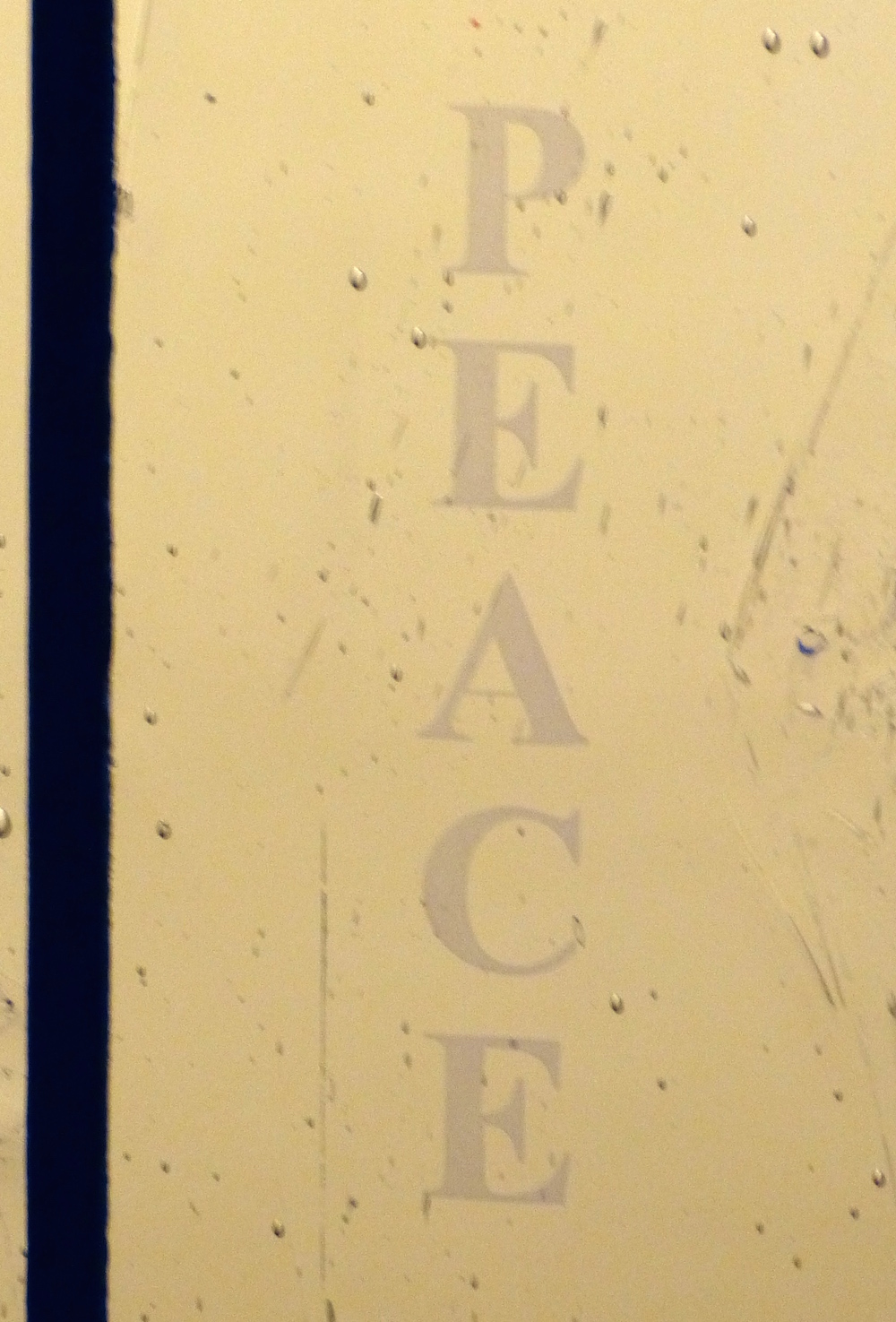
At this time of year she is busy making small angels and stars to hang from Christmas trees. Window panes for doors, such as mine, are also a regular part of her work flow. Everything Mary creates has amazing layers of texture, iridescence, colour and detail. You just want to go up and touch it. You can see more of Mary’s work here.

Lemon verbena tea – the recipe
27/08/2014 at 4:58 pm | Posted in Uncategorized | 17 CommentsTags: happiness, herbal, herbal tea, herbs, inspiration, meditation, nature, nature recipes, naturecraft, positive thinking, relaxation, wellbeing

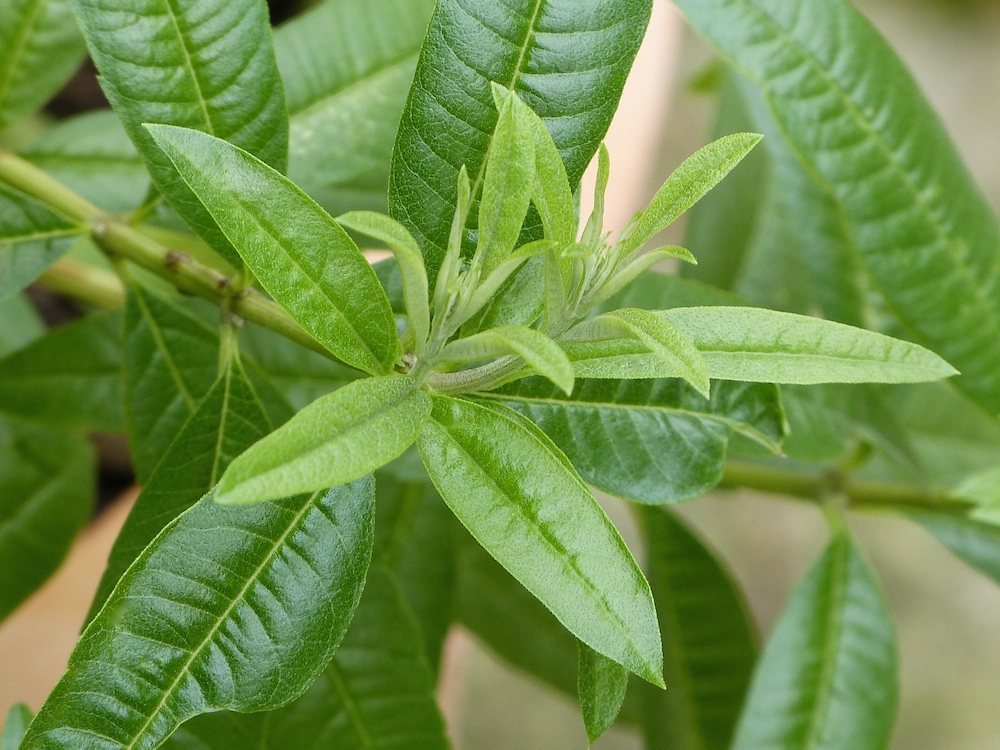
If I had to choose one herbal tea to drink for the rest of my life, I would probably choose lemon verbena, also known as Aloysia citrodora. When you brew it strong, it’s zingy, health-enhancing liquid sherbet in a cup: a light and warming drink that lifts the spirits unlike any other. When you brew it weaker, it is a delicate, uplifting citrus-scented beverage. But there is a catch: it has to be harvested and stored with love and respect. If you find a bargain packet of 20 lemon verbena tea bags, walk on by. The aromatic oils will not be present. Without them, you are left with dried and empty leaves.
I first discovered the magic of lemon verbena when travelling with my family through Northern France, eight years ago. We stayed in a guest house with big, bare rooms and botanical books on the shelves. We arrived late, and slept soundly between crisp white cotton sheets. At breakfast the next day, the herbal tea on offer was verveine, which I knew was the French name for this popular tisane. So I asked for verveine. It arrived as a small twig of dried leaves in a pot. The fragrance was heavenly. I was already falling under its spell.
When I drank the brew, I tasted a zingy, lemony lightness. The flavour was so vibrant. It seemed extraordinary that so much could be packed into a small, dried sprig.
The next time I asked for verveine, in an Alpine resort, it had been made with a tea bag, and was a dull disappointment. I discovered then that processing destroys this herb.
Back home, I tried ordering loose leaves from herbal suppliers, but they were never as lemony as that first, fragrant brew. So I experimented with harvesting my own.
My parents had actually been growing an Aloysia citrodora in their greenhouse for years. My mother put a few leaves at the bottom of cake tins for a subtle zingy additions to her bakes. But no one was making tea with it. So I started harvesting their surplus. I made the tea with fresh leaves, four or five chopped roughly per cup. I dried many of the leaves for winter use, as the plant dies down in colder weather. And so I continued for several years.
Nowadays I still harvest from my parents’ greenhouse plant. But recently I bought a plant of my own from Foxley Road Nurseries near Malmesbury in Wiltshire, UK. Co-owner Carol Hinwood is a huge fan of lemon verbena tea, and always keeps a good stock of plants there. All summer long my new Aloysia citrodora has been sitting in my front yard, soaking up the sunshine in a large earthenware pot. It grows quickly, and has even flowered profusely with tiny, fragrant blooms. I cut a stalk at a time, put it in water indoors, and use it successively for three or four cups of tea. It is just beautiful. Before the weather gets too wintry, I will bring it into a cool garden room, to protect it from frost.

Health benefits
The essential oil in lemon verbena is uplifting, de-stressing and relaxing. The plant has anti-viral and anti-fungal properties – studies have shown it to be effective against Candida albicans, or thrush. Lemon verbena is also rich in youth-promoting anti-oxidants. The meditators who come to my studio love it, finding it both peaceful and refreshing.
The recipe
First, locate your nearest lemon verbena plant. You may be lucky and know someone who is already growing it. If not, herb nurseries should have young plants available. It can’t cope with frost, so plant it in a large pot in a sunny spot, and bring it into a cool indoor space in the winter. Or grow it in a greenhouse.
Harvest the leaves by pruning the plant when the stalks are around 25 cm or longer. Cut the stalks fairly low down with scissors or secateurs.
For fresh tea:
Roughly chop four to six leaves and place in an infuser, in a cup, preferably covered. Leave to steep for five minutes. Then strain the leaves and drink the resulting, fragrant infusion.
For dried tea:
Dry the leaves by hanging the stems upside down in a large paper bag in a warm space for a few days or weeks until completely dry – the stalks should snap when you try to bend them. You may put them in a jar or bag as they are, or crumple them slightly, to fit more into your jar. I generally remove the leaves from the stalks (easy to do) and just store the leaves. Other people keep the stalks. Either way seems to keep the all-important essential oils intact. Put an air-tight lid on your jar, and store in a cool, dark cupboard. When you are ready to drink the tea, take a few dried leaves, or about one teaspoon of the crumpled herb, and steep in a cup, preferably covered, for five minutes. Strain and drink!
If you are seriously into herbs, as I am, it’s worth investing in a dehydrator. I use an Excalibur that I’ve had for many years. In this case, I take the fresh leaves off the stalks, discard the stalks, and place the leaves on trays in the dehydrator. I dry at a setting of around 45ºC or 115ºF for a couple of hours or so until the leaves are crispy dry. (It’s wise to keep an eye on them. At times I have over-dried and lost some of the essential oils.) Then I place them in a jar, as before.
I believe that to make your herbal tea from nature is to connect with your own true nature. And the nature of lemon verbena is one that’s truly worth connecting with: happy, vibrant, healthy and serene… and absolutely fragrant.
~~~~~~~
PS For a refreshing summer health drink, simply pop one or two leaves of fresh lemon verbena into a glass of cool water. The herb infuses the water with a deliciously light citrus note.
A haiku travel journal
27/06/2014 at 5:41 pm | Posted in Uncategorized | 5 CommentsTags: Guan yin, Guidance, inspiration, meditation, parenting, poetry, self-development, special needs, Spirituality, travel, wellbeing
On the plane between London and Hong Kong, I thought I’d write a travel journal with a difference. Each day, I would write a haiku poem. My understanding of haiku is that it distils nature and our own true nature in a few short lines. In the English version, that most often means 5 syllables, then 7, then another 5. I wanted to do this for fun, and also to see if it brought me new insights.
The writing began as soon as we reached the refuge of our comfortable hotel.
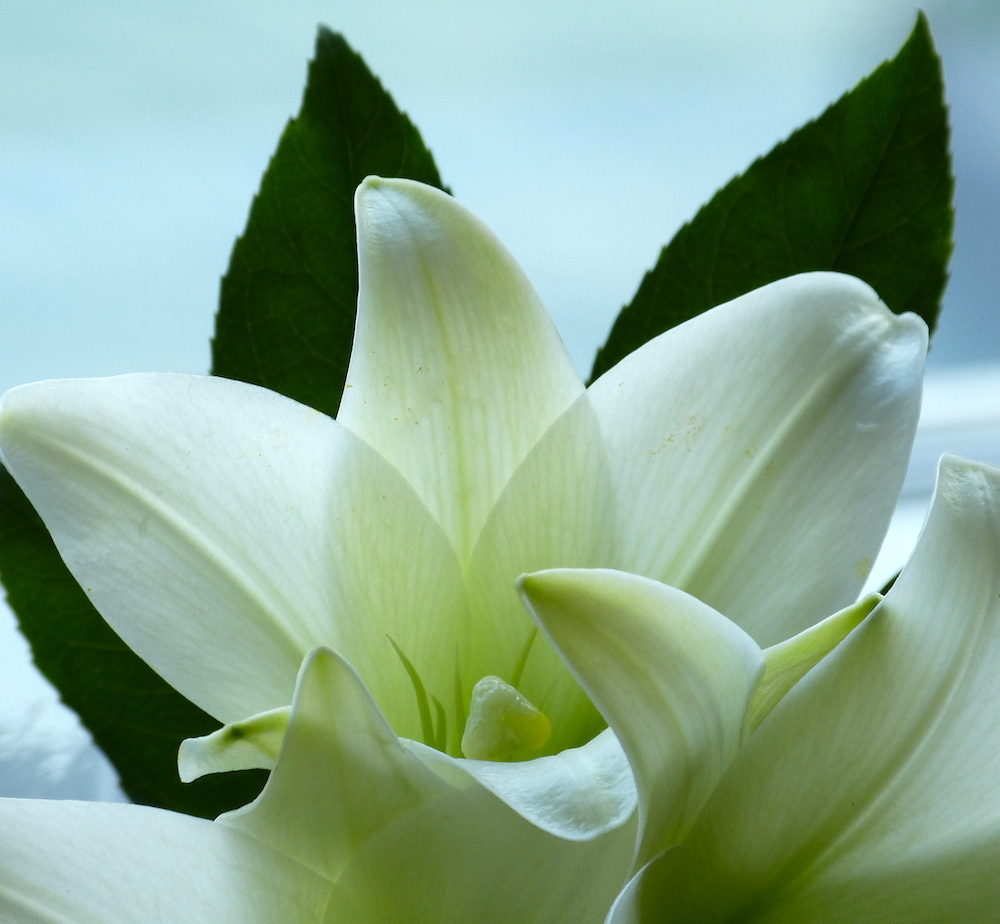
Guan yin tea and bath
Fragrant lilies scent the dark
Harbour lights beyond.
Haiku traditionally loves contrast. Intuitively, I love the space between contrasts. During our days in Hong Kong, I was beginning to notice a very human trait: in the act of concealing, we end up revealing.
Incense and Man Mo
Tiny shrines by shops of jade
Bird song on the Peak.
We were travelling as a family, which included my 18-year-old son Tim, who has learning difficulties and uses a wheelchair. Quickly we discovered that the streets were empty of others like Tim. It dawned on us that were connecting with a culture which believed that young people with special needs should stay at home.
An owl stares at us
in the Museum of Art
Kowloon’s rich treasure.
Most people simply, politely, ignored Tim, as they might ignore anything embarrassing, though we noticed plenty of covert glances. However, one day a taxi driver became visibly upset when he spotted Tim, and hissed at us while he drove erratically to our destination. We brushed off his crazy behaviour. But we wondered about it. We were beginning to feel that Tim – and we – were intrepid simply by being there. Mad taxi rides aside, we felt rather pleased with ourselves.
Wow! Dim sum Tim Tim
at the old Luk Yu Tea House
Fountains and Flowers.
Someone told us one evening that the Buddhist belief in reincarnation was often interpreted to mean that handicapped children and young people must have done something wrong in a previous lifetime. Therefore, their presence brought shame to their families. They were hidden away. Sometimes neglected, sometimes worse. Unwittingly, we were challenging that tradition.
After the sampans
barefoot in a sandy bay
Gods gaze at the sea.
Maybe all that scrutiny had something to do with it, but Tim’s wheel chair slipped on the sandy steps by the watchful concrete sculpted gods on the sea shore and he bruised his foot. Moments before the accident, I had been searching for Guan Yin, the Chinese goddess of mercy, among the seaside statues, but only found a rather overblown version of her, stripped of any spiritual truths.
However, I did experience peace each morning as I meditated in our high-up hotel room. I witnessed night turn to day. And in that quietness the insights emerged.

Morning mist makes clear:
we came to see, and be seen.
Each of us is loved.
That then was the truth we were exemplifying as a family. Sometimes it seems to me that the four of us (including Tim’s able younger sister) are four corners of a square. Each corner is equally important to create the whole. Each of us is equally valued within the family. This is normal for us, and perhaps also for our culture.
And then I wondered if perhaps families like us might tacitly encourage other families to take their disabled members out and about a bit more.
I noticed that I had begun my haiku travel journal with reference to Guan Yin – or, at any rate, the green tea named in her honour. And now I was ending my journal with the same sacred name.
Love and compassion
are divine gifts from Guan Yin
May all feel both here.
Base chakra meditation: red shimmer
02/05/2014 at 6:00 pm | Posted in Uncategorized | 2 CommentsTags: chakras, inspiration, meditation, Spirituality, wellbeing

I am sitting in a small group meditating on the colour red. This is a challenging subject, because as Jennie will point out during the chat session afterwards, there is a duality around the colour red, as far as we humans are concerned.
On the one hand, red is about life and passion. It’s the colour of Valentine’s Day roses, a symbol of romantic love. On the other hand, red is about danger and anger. When we ‘see red’ in our minds, we are said to be furious. And when, in real life, we see red blood, it often means that someone has been injured or worse.
Red is also the colour associated with the base chakra, or root chakra. We can view this chakra as a concentration of spinning energy at the base of the spine, an energetic interface between the individual human and the wider world.
Primal survival
The base chakra is intimately concerned with survival, at the primal level. It’s about the building of the blood and bones of a being from the clay and water of Mother Earth. It’s about the creation and maintenance of the earthly vessel that contains our spirit.
And here’s the thing: the vessel, your human body, is fragile. Every day there are at least a thousand ways in which it could crash and die. And yet, most of the time, it doesn’t. It keeps going. Somehow, it contains the cellular wherewithal to grow and mend itself again and again. It is a spectacular example of self-regeneration.
Of course our bodies are vital to us. At this period in our evolution, we couldn’t function for long on this planet without them. And most of us grow very attached to the personality that goes with our own individual body, though sometimes it’s a love/hate relationship. We may or may not believe that our spirit endures. But we can be sure that the personality that occupies the body will never be quite the same without it.
Given the miracle of our bodies, it’s ironic that so many of us look at them with criticism. Why would we do that?

However, at this moment, while I am meditating, only fragments of those thoughts come through. They will be developed in the conversation afterwards. Meanwhile, I am trying to focus on the deep, velvety red colour of a flower petal. I am becoming that colour. I am imagining all the cells of my body are that same velvety red. I am an embodiment of the colour red. It is a good feeling, and I am enjoying it.
Roller coaster journey
Still meditating, I become, briefly, a blood cell, travelling through the amazing branched corridors of my body’s circulatory system. I am surprised and delighted to see that the blood cells all around me as I travel the roller coaster corridors are shimmering. They are vibrant with life and vitality.
And then comes a new insight: the blood we invariably see is not living blood. It is always injured blood: stressed, altered and either dead or dying. We can never see blood in its living, vibrant state, because it is in a closed system, away from our view.
Yes, we might see it through the lens of an endoscope. But that’s not real. It’s a digitised representation. It does not, and cannot shimmer like the real thing.
As I am marvelling over this insight, I hear a voice. Its tone is reassuring and calming.
“You can never see all of the shimmer,” says the voice, confirming my thoughts. Then it adds something else, totally unexpected:
“You can never see all of the angels.”
And suddenly I am suffused with a feeling of happiness, laced with tears. I am touched, immeasurably, by the wonder and mystery of our physical existence. It is such a mystery, such a miracle, so magical. Our physical lives, yours and mine, are unbelievable treasures. How did we get to be so lucky to step into these vessels?
And then I am travelling through vast, endless, complex tunnels. They branch and rejoin and keep on going. This isn’t my blood system any more. It’s immeasurably bigger than that.
It feels like I’m in a cosmic circulatory system of which we are all part. Forget evasive politicians and corrupt bankers: their actions are smaller than dust particles. These are the real corridors of power. We are each of us part of the cosmic system. It’s breathtaking, elegant and immense.
You can read more about the themes we’re meditating on this term here.
How to meditate the EASY way
21/08/2013 at 11:31 am | Posted in Meditation | 5 CommentsTags: Guidance, inspiration, life skills, meditation, personal growth, positive thinking, self-development, special needs, visualization
Meditation is the easiest way I know to feel better fast. During challenging times, meditation can be really helpful. During good times, meditation can create a sense of bliss. It calms the mind. It stops the cycle of negative thinking. And it creates a space for hope and happiness to enter.
I aim to meditate for 20 minutes a day, early in the morning. I don’t always succeed. Sometimes I miss a few days, or even weeks. But when I catch myself feeling low, I’m quick to start meditating again – because, quite simply, it works.
Here is the EASY method that works for me and many of the people who attend my meditation studio.
Establish a routine.
Accept that it won’t go perfectly.
Sit still in silence.
Yield to the process.
Let’s take each of those steps in more detail…
Establish a routine
You’re more likely to meditate if it’s booked into your diary. Find an ideal time of day for you. You might try 20 minutes at the start of every day, or in the evening; or both those times.
Aim to meditate at the same time every day. Choose a length of time that will work for you. Anything from 15 minutes to half an hour is good. However, it’s better to do ten minutes, or even five, rather than none. Aim to meditate in the same place, and make it pleasant and uncluttered, the way you’d like your mind to be. You might like a shawl or blanket over you, so you feel warm and comfortable. It’s helpful to set a timer to let you know, gently, when the meditation has finished. You can use your phone, as long as you’ve switched off incoming calls. There are also some lovely meditation timers around, but keep it simple. A brilliant low-tech alternative which I use for my own morning practice is to meditate with beads.
Accept that it won’t go perfectly
Sometimes we try to create the perfect, calm environment, and then feel fazed if a fly enters the room and buzzes around, or building work starts up outside. Accept that life isn’t perfect. If anything disturbs your concentration during your meditation, simply witness it. It may well be a reflection of your own mind, which may be buzzing like a fly, or in a state of change and renewal, like a building that is being restored.
Sit still in silence
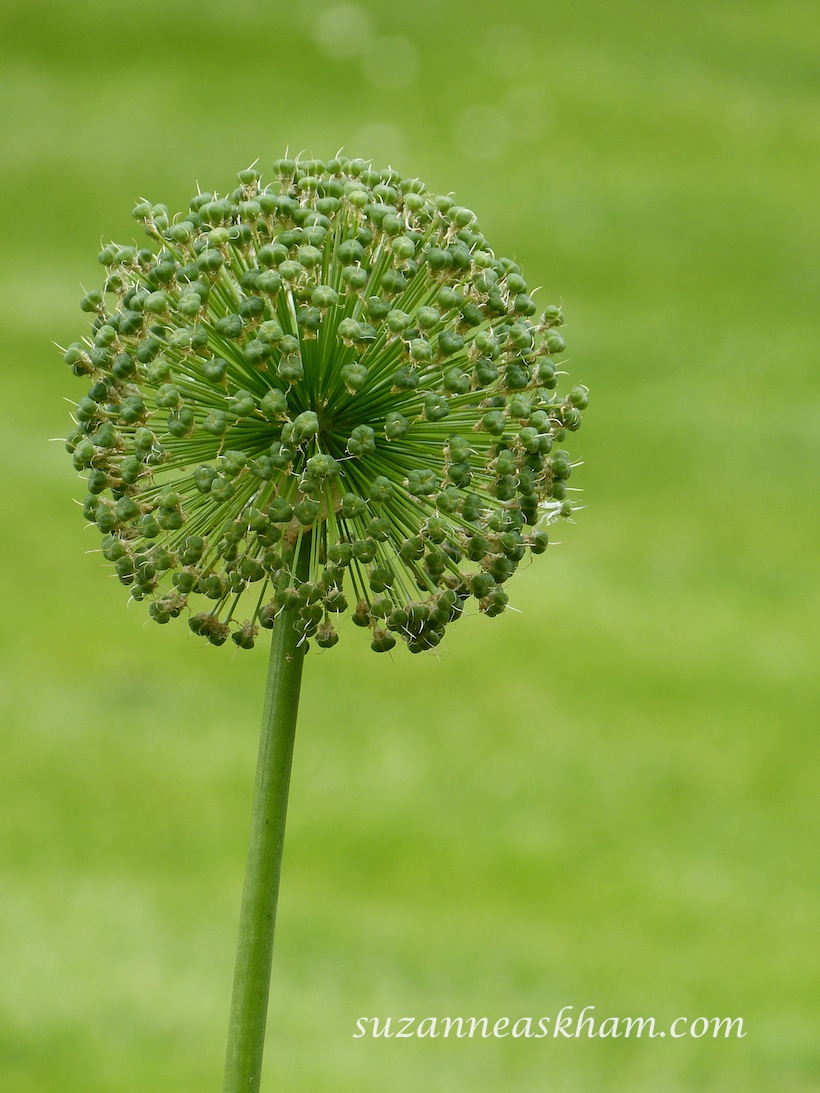
It’s helpful to focus on a single thing in your imagination, and to keep focusing on that during your meditation. An object from nature, such as the flower pictured above, makes a fantastic subject for meditation, because it has shape, pattern, texture, colour, scent and depth that you can dwell on in your imagination.
Or you might simply witness your breath, noticing every detail of it.
Or you might count up to four, one number per breath, and start again, counting up to four each time.
Or you might repeat certain words, silently to yourself. Breathe in “I am”, and breathe out an uplifting word that you have chosen. It might be “peace” or “love” or “leaf” or “flow”. This is the method we use during twice-weekly meditation sessions that I run in my Wiltshire studio.
In the studio, we typically combine more than one of the above. For example, breathe in “I am”, breathe out “tree” and visualise that you are a flexible willow tree, bending gracefully in the breeze. Or a tall, strong oak tree with rough bark and spreading branches.
Whenever you notice that your mind has wandered, simply remind yourself that you are here to meditate, and go back to the object that you are focusing on, or your breath, or counting.
Yield to the process
There’s a sort of ‘giving up’ that goes on when we meditate. We’re letting go of that list of things to do that seems to have permanent residence in our head. We’re giving up trying to control anything. We’re giving up, sitting down and being still. That is when the magic happens. You may experience colours that aren’t there, voices of people you can’t see, shafts of sunlight, and sudden insights. Simply witness these. Keep witnessing. Keep returning to counting breaths, or noticing your breath, or whatever you have decided to do to still your mind. And at some point, you may well experience bliss. Let yourself bathe in that bliss.
Afterwards, don’t try to recreate what happened. Don’t worry that you’ll never manage to achieve it again. Remind yourself that you meditate in order to meditate, that’s all. There is no goal. Bliss is… well, blissful, but it is not a goal. Follow the EASY steps, and simply witness all that happens.
I wish you a calm mind, peace and happiness.
A walk to the compost
02/08/2013 at 10:30 pm | Posted in Uncategorized | 6 CommentsTags: happiness, inspiration, meditation, nature, positive thinking, wellbeing
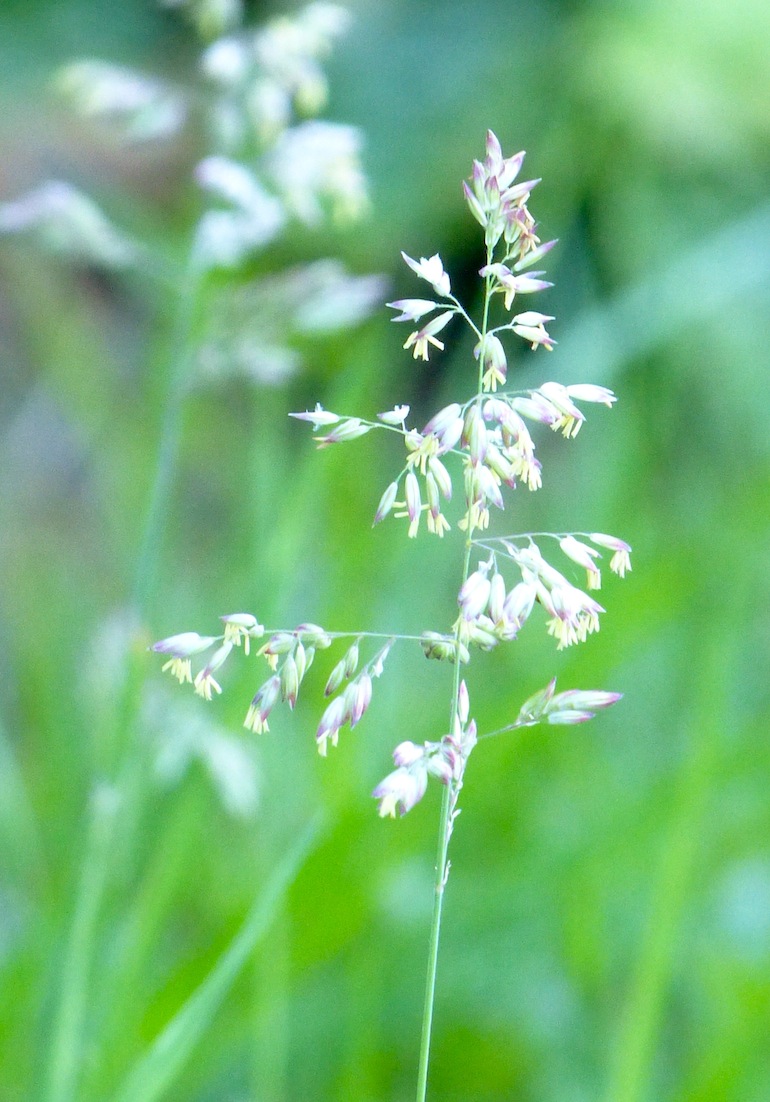
It’s time to take the peelings out, to the compost bin at the end of the garden. My body is weary. It’s the end of such a busy day. In the kitchen, I pick up the dark green caddy. It’s full of richly odorous vegetation.
At this moment right now, I have two choices. I can do this task resentfully, feeling my tiredness every step of the way. Or I can choose to enjoy the experience, choose to be fully present and notice my short walk to the compost bin with all my senses.
Today, I choose to be present.
I step barefoot into the yard. Above me, I hear the tall poplars whispering in the breeze. I feel the warmth of stone beneath my feet, a spa-like sensation. Then, I step onto cool lush grass. The soles of my feet are thrilled. It feels like ancient reflexology for body and soul. My tiredness has vanished – so fast!
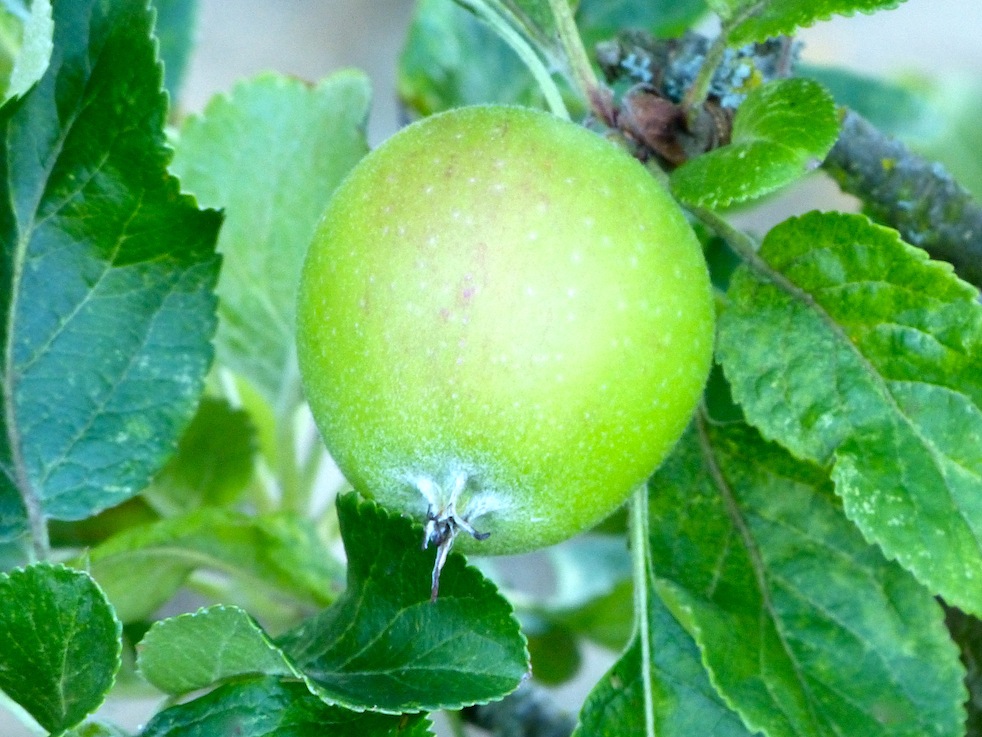
I walk by small trees laden with young apples, bursting with life and vitality.
Beyond, on the hill, I see cows grazing in the sunlight. 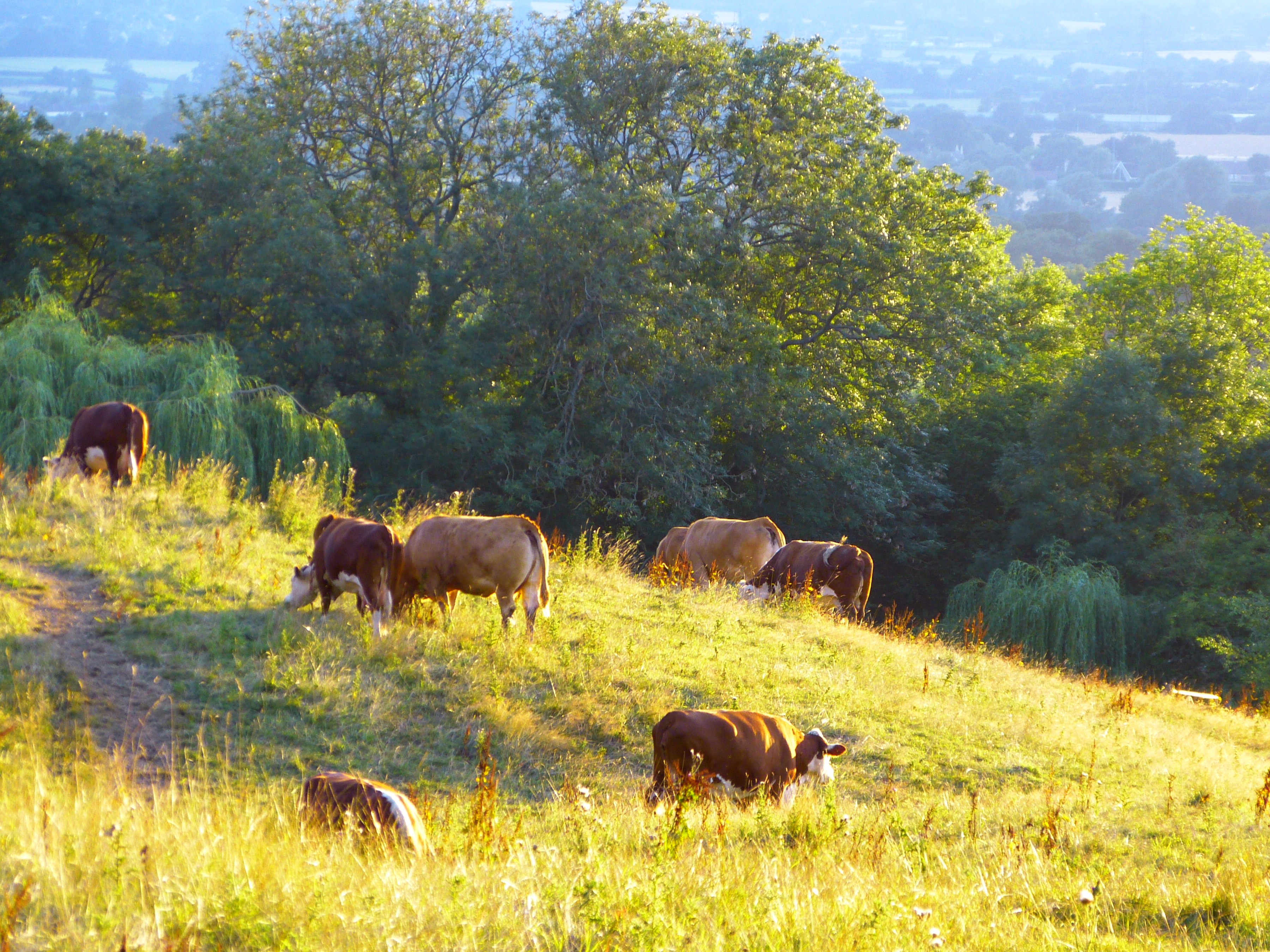
I reach the compost bin. I tip the contents of the green kitchen caddy into it: onion and garlic peelings tumble with tomato stalks and marshmallow leaves into the pungent abyss below. The odour of vegetation returning to nature is unmistakable. In a year’s time, it will all be rich, brown earth.
And then I turn back, treading over that lush, cool green grass, my bare feet still revelling in the sensation. I look skywards, at towering clouds just masking the sun. My daughter, as a small child, used to say that unicorns played in the white cloud light of the evening sun. I can and do imagine them there, invisible in the brightness.
Can you see them?

That, then was my walk to the compost. It could have been awful. It was idyllic. The choice was only ever mine to make.
What choices did you make today?
What did you do today?
07/07/2013 at 10:36 pm | Posted in Happiness, Inspiration, Nature, Uncategorized | 11 CommentsTags: happiness, healing, inspiration, meditation, nature, positive thinking, Spirituality, wellbeing
 “What did you do today?”
I breathed. I lived. I put my bare feet on the earth.
“Yes, but what did you do?”
I’ve just told you what I did.
“What else did you do?”
I had a laugh with ones I love. I ate almonds under a wild cherry tree. I breathed the sweet scent of a pure white rose.
“Sounds nice. Anything else?”
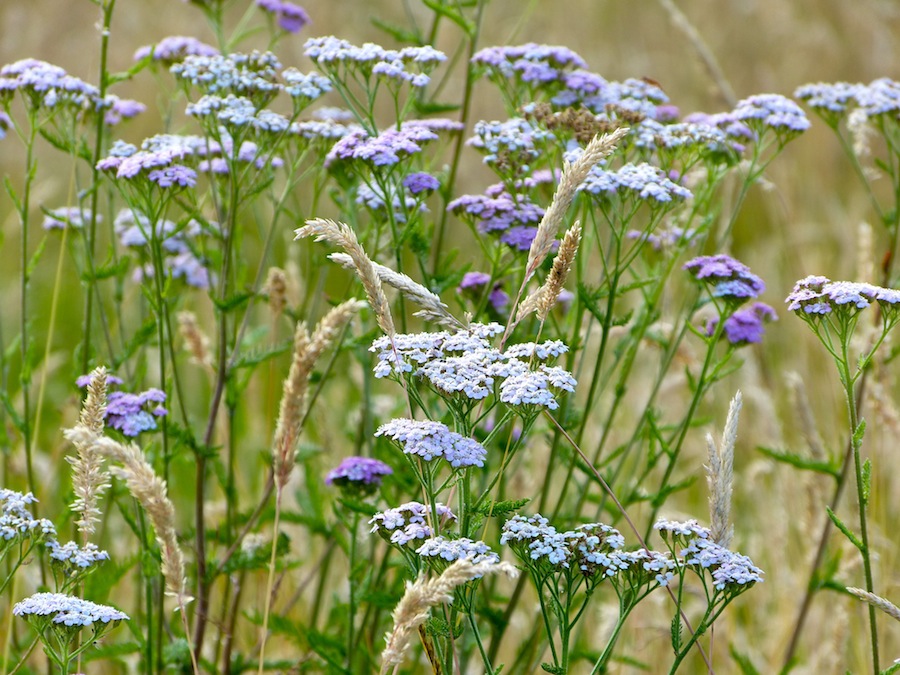
Yes, now that you come to mention it, I gathered yarrow under a cloudless sky. I touched a silver birch whose leaves were shimmering in the breeze. And I watched the red sun go down, while a handsome man held me close…
That’s what I did today. And what about you; what did you do? Don’t tell me the stuff you didn’t really care about. Tell me what mattered to you.
The healing power of swimming
16/03/2013 at 4:49 pm | Posted in Exercise, Happiness, Inspiration, Uncategorized, Wellbeing | 6 CommentsTags: affirmation, healing, inspiration, positive thinking, self-development, visualization, wellbeing
 A few days ago I went back to my local pool after a long absence. As I glided through the water, reflections of blue sky danced over the surface. I could feel myself relaxing, letting the water support me. And I remembered the joy of swimming.
We know that water can be kind to the human body: whatever the level of fitness, water provides a small but significant resistance that increases the overall benefit.
Less talked about, it does something equally interesting to the psyche: it connects us an earlier, more aquatic stage of life: the womb… and even, more distantly, our evolutionary past.
When I am in water, I feel different. The hard angular surfaces of modern life give way to a fluid world in which I feel safe, held, and simply more inclined to go with the flow. There is something inherently fun about the experience, and I feel zingy and cleansed.
As I swam, I started an internal chant, and this is how it went:
“I am beautiful… I am one… I am beautiful”… I am one…”
Each phrase corresponded to a swimming stroke. When I reached the end of the pool and turned around, the chant had become: “I am beautiful… I am two… I am beautiful… I am two…”
With each new length, the number went up. I was counting lengths, and throwing in an affirmation too.
And then I realized I was actually imagining myself at the age of one, two, and so on. Not only that, I was feeling the dominant emotions of that age, in connection with beauty and self-worth. As I continued to swim up and down the pool, the happy self-belief of young childhood gave way to the huge, wobbly uncertainty of my teens, and a growing feeling of confidence in adulthood. As I remembered sad times, it felt as though the water was washing the pain away.
Effectively, I was healing each stage of my life’s journey with the help of water, and affirmations. My adult self was sending love and support back through the years to all my younger selves who were still there, it seemed to me, in the memories held within my body. The process felt deeply restorative and I recommend it to you.
Next time you’re in the pool, you might like to affirm “I am beautiful… I am one” and so on, all the way through your teens, twenties – all the way up to your present age. You can spread the exercise over more than one swim session, if you choose. But when you have swum a length for every year you’ve lived, you can start all over again with a new word. “I am strong”, and “I am well” both have great healing potential. What affirmation would you choose?
Website Built with WordPress.com.
Entries and comments feeds.
 Suzanne Askham