The good nurturing guide
09/03/2012 at 6:48 pm | Posted in Happiness, Healing, Parenting, Wellbeing | 9 CommentsTags: healing, life skills, nature, positive thinking, wellbeing

The author and youngest child, in baby-wearing days.
‘Nurturing’ is a very ancient word, and we all know what it means… don’t we? It’s about being loving, caring, helping young ones to grow and develop. But remove centuries of common usage, and we get a much simpler concept. This is it.
‘Nurture’, ‘nutrient’, ‘nourish’ and ‘nurse’ all come from the same ancient Proto-Indo-European root: ‘nu’, or ‘snu’. That root means, quite simply, ‘to flow, to let flow, to suckle’. The Sanskrit word is very similar: ‘snauti’ means ‘she drips, gives milk’. The ancient Greek is ‘nao’, meaning: ‘I flow’.
So to nurture means, literally, the act of giving milk to an infant. That is it – nothing else.
Why does this matter?
When you give milk to an infant, you give the milk, and that is it. True, you also look after the infant – the love and practical care you give them is extraordinarily important, and makes the difference between thriving and just surviving. It is right that we include that sense of loving care within our modern definition of nurturing.
But the actual act of giving milk – the ‘nu’ or nourishment – is one of letting go. The milk is an unconditional gift. You don’t expect the infant to do anything in particular with it. You anticipate that they will grow. But the way they do this is not in your control. Their own particular combination of genes and psyche will blend with environment to create a unique human being.
Nowadays, arguably too often, the concept of nurturing includes a sense of sculpting and shaping the young individual so that they grow up to be a properly socialised human. Parents feel a sense of responsibility to get this right. Well-meaning manuals and playground conversations collude to create the pressured sense that parents have an awfully big role which we are highly likely, regularly, to get wrong. As the English poet Philip Larkin put it so memorably in This Be the Verse: “They fuck you up, your mum and dad/ They may not mean to, but they do/They fill you with the faults they had/And add some extra just for you.”
These past weeks I’ve been working on the theme of nurturing with students and clients in my meditation studio. The pickle humans collectively get ourselves into over this word has become obvious to me. I have found two basic sub-themes.
One is a sense of not having being nurtured – emotionally and perhaps also nutritionally – as a child.
The other is a well-meaning and futile impulse to shape and sculpt young people who are way past the infant stage.
If we take ‘nurturing’ back to its original meaning, of giving milk – or sustenance, if you will – to an infant, then these two themes of profound human disappointment take on a different colour.
When we understand that the sustenance we received – flawed though it may have been – was an unconditional gift, then we realise that our own growth and flowering is ultimately up to ourselves and the laws of nature. We may choose to care for those aspects of ourselves that have been frozen in childhood patterns of trauma, want or need, and bring them to a more enlightened and happier adult reality.
When we understand that other adults do not need to be nurtured by us, it lifts the most enormous burden from our shoulders. Instead of trying to fix or rescue others, we give them the respect of one grown-up for another. And frequently we find that they do flower as a result of that respect.
Nurturing is a simple act that happens in the present moment, and then is gone. Once we have given it, we no longer own it.
Isn’t that a relatively carefree feeling?
Looking at the world through angels’ eyes
10/09/2011 at 10:10 am | Posted in Uncategorized | 8 CommentsTags: inspiration, meditation, nature, wellbeing

My daughter calls these angel clouds. They are a great reminder of a simple truth: when we rise above a problem we look at it with different eyes. Suddenly, we can see the big picture. We can actually see beauty where perhaps before we just saw stress and sadness.
Look at this picture, taken last week over Southern England. Everything is beautiful if you look at it from a higher perspective.
Recipes: elderflower cordial, elderflower tea
26/05/2011 at 10:01 pm | Posted in Uncategorized | 3 CommentsTags: healing, Health, nature, nature recipes, naturecraft, wellbeing
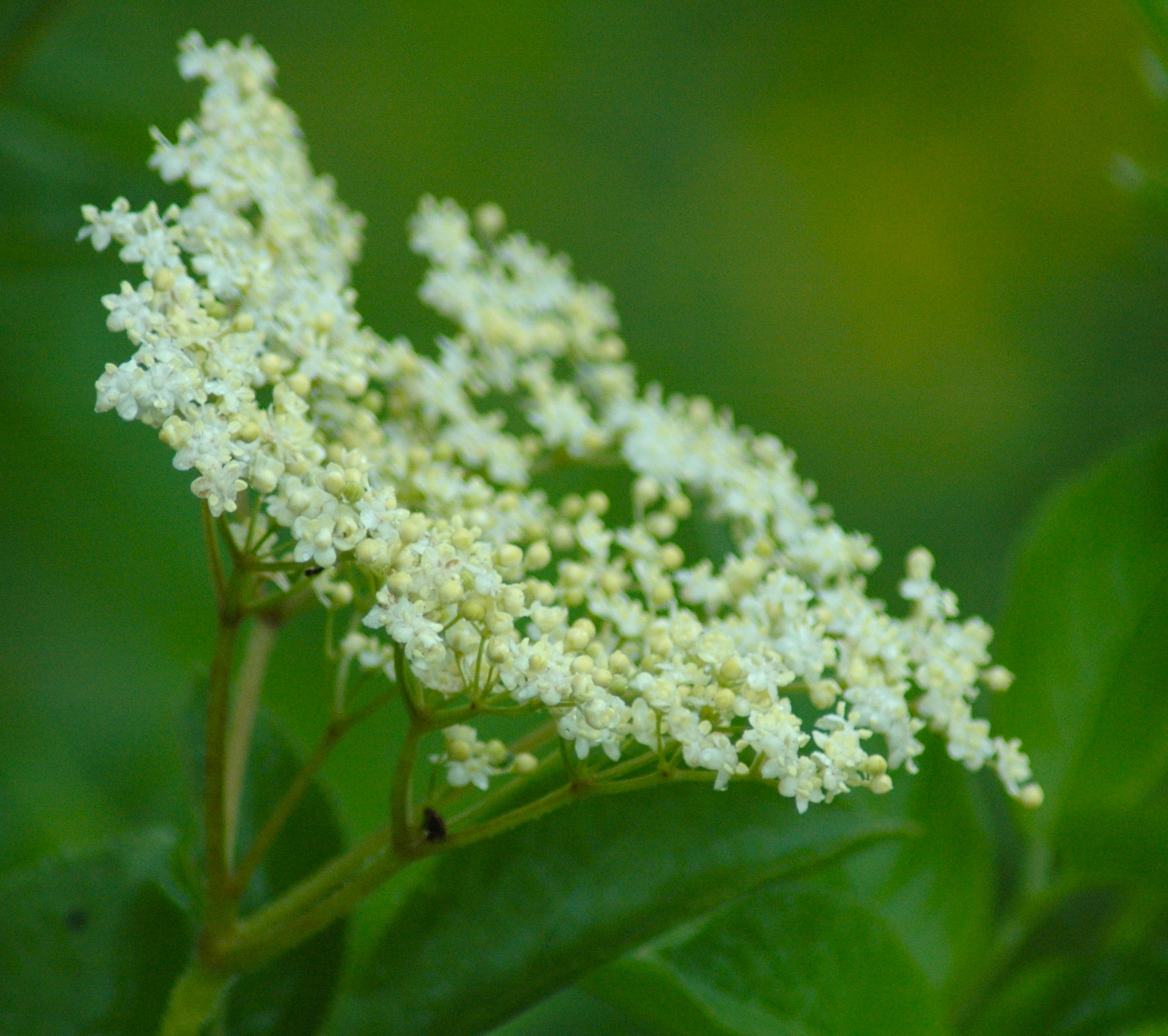
Elderflowers: fragrant and good for you
We are busy gathering elderflowers for cordial right now. The fragrant flowers are all around us in the hedgerows, and easy to collect. Each head is a frothy summer’s bowl of wellbeing.
Elderflowers have been used for centuries for their health benefits. Elderflower water is mildly astringent and has traditionally been valued for the complexion. Make your own fresh elderflower toner by steeping a head or two of the fresh flowers – remove the pungent stalks first – in half a cup of boiled water, then straining. Apply on cotton wool, or spritz on to your skin. You can use it over a couple of days if kept in the fridge.
Elderflower cordial is an uplifting summer tonic – delicious with still or sparkling water on a hot summer’s day. If you have a cold or flu or feel run down, a hot drink of it in the evening is comforting and healing. Elderflowers are diaphoretic – they help the body during a fever by inducing sweating.
The recipe: take around 25 elderflower heads, with the stalks removed, and add them to a big bowl in which 1.3 kg of sugar has been dissolved in 1.8 litres of just boiled water. Add a couples of lemons, sliced, and a couple of oranges (or limes, for a more sharply refreshing summer drink). We mix the whole thing up, cover and leave for 24 hours.
After 24 hours, strain the liquid through a muslin cloth. It’s ok to give the cloth a good squeeze to get out more of the juices. Then decant into clean, sterile bottles (You can sterilise bottles by putting them through a dishwasher, or by gently simmering in a big pan of water.) The cordial will keep for at least a month in the fridge. I have kept it for up to six months, though it usually gets drunk long before that! You can also pour it into washed plastic bottles – leave space at the top as it will expand once frozen – and store it in the freezer.
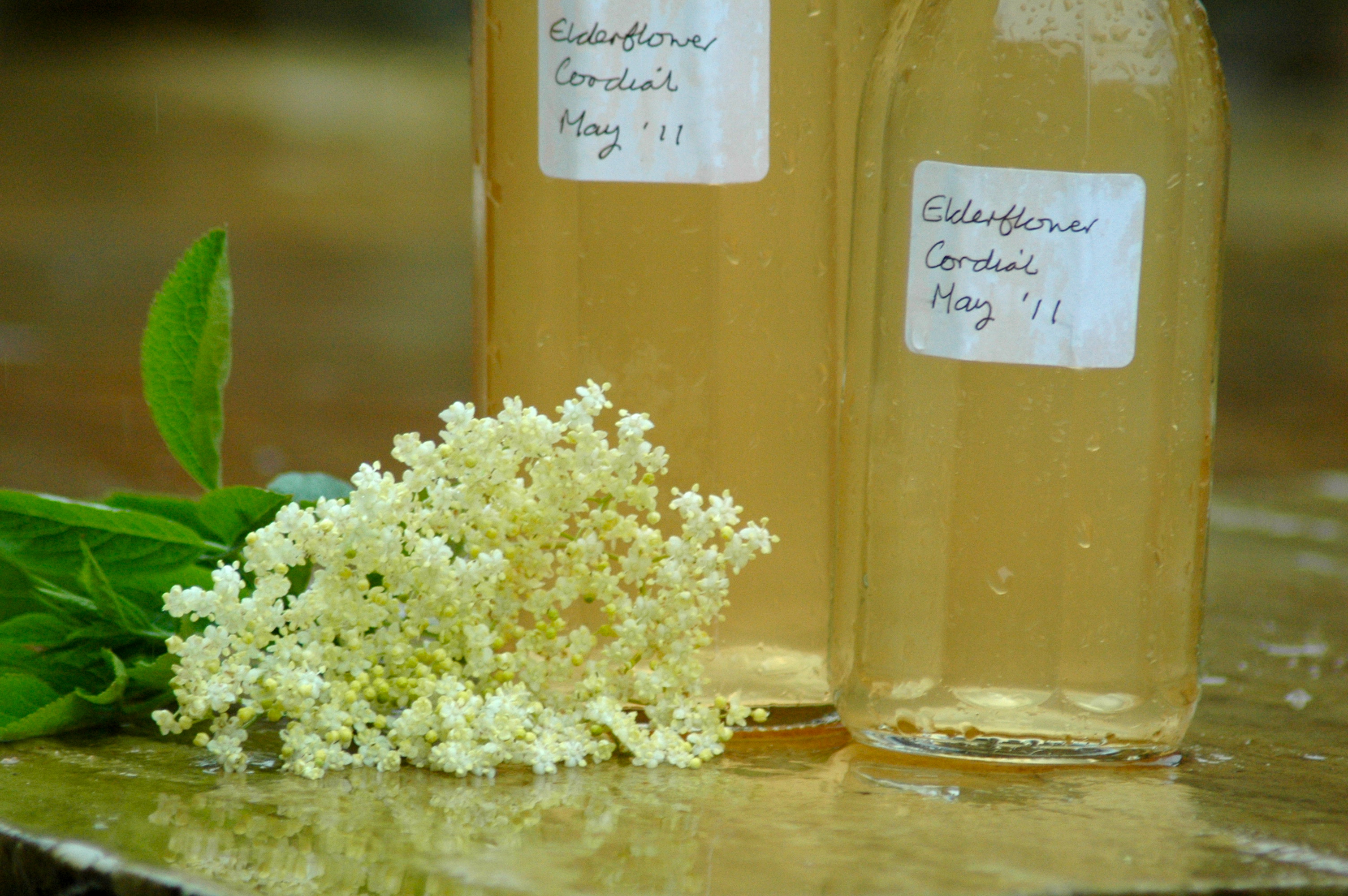
We also gather the flowers to make herbal tea, which has all the health benefits of cordial, without the sugar. Discard the thick stalks, and leave the flower heads to dry. When dry, crumble the flower heads, discarding more stems as you spot them and place in an airtight container. This will keep for a year, until the next elderflower harvest. To make your tea, put one teaspoon of flowers in a cup of boiled water, brew for three to five minutes, then drink. You can add a slice of lemon or orange and maybe a spoonful of honey…. You can also make fresh elderflower tea by steeping some of the florets (without the thicker stalks) in hot water for around 5 minutes.
Yellow hearts for happiness
12/04/2011 at 10:28 am | Posted in Uncategorized | 2 CommentsTags: flowers, Health, nature, wellbeing
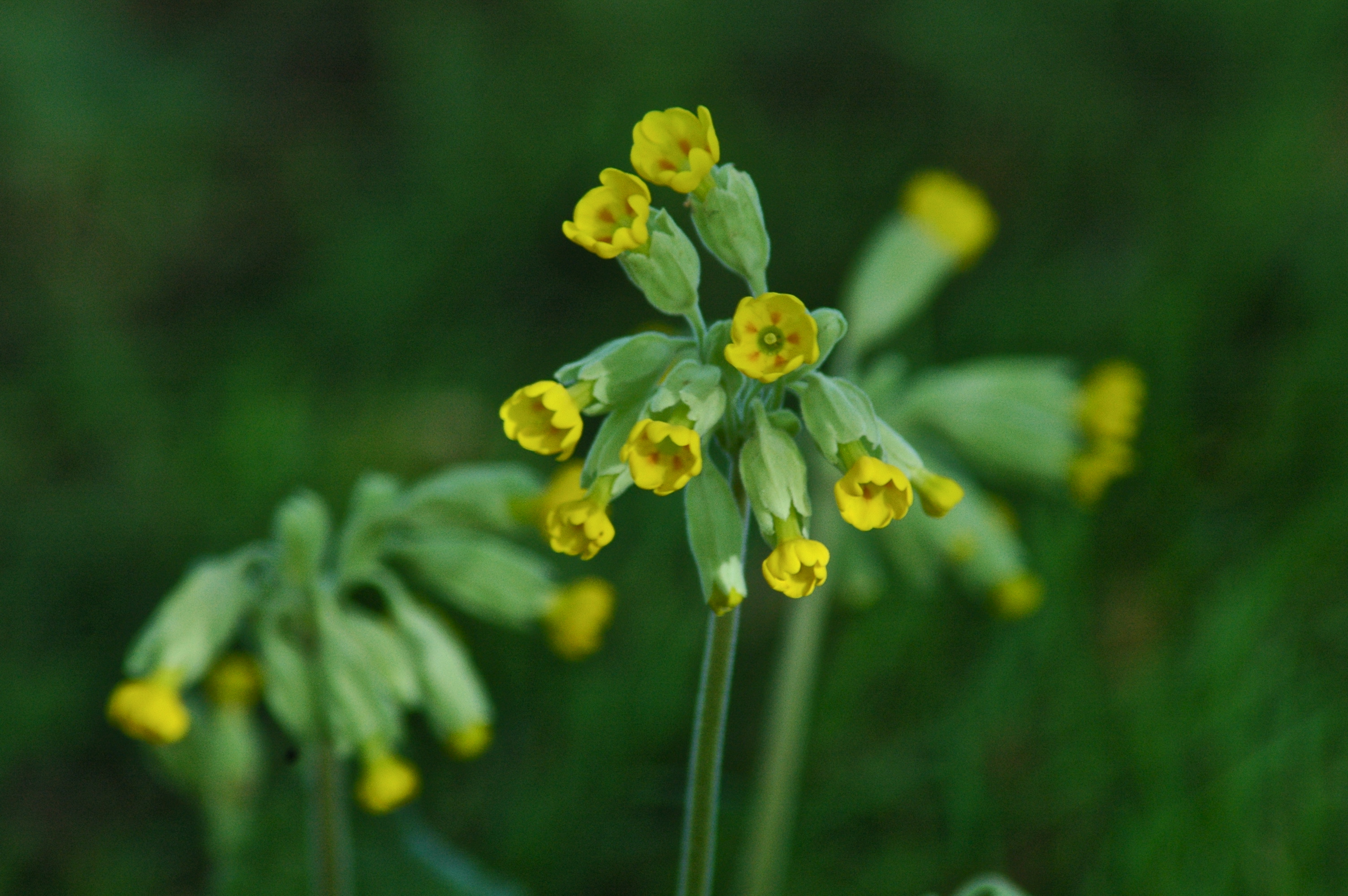
Cowslips are beautiful tiny medicine chests
If you are lucky enough to have cowslips growing in your garden or nearby, nurture them. These small, quirky relatives of primroses aren’t so common nowadays, and they carry with them the peace and slower pace of a more rural past – and a few related health benefits.
The garden around the Studio is old farmland, and so the cowslips never really left it. But it’s easy enough to sow seeds in any garden and wait for them to appear.
Just looking at them is instantly calming and relaxing. However, if you have an abundance of them, you can do much more than that…
Herbal medicine
Herbalists use cowslip flowers and roots as a nervine, to relax and calm; to help dispel chesty coughs and nervous headaches; and to promote restful sleep. Collect the flowers between March and May, and the roots before flowering time, or in the autumn. Add the flowers to herbal teas; or make a decoction of the dried root: 1 teaspoonful to a cup of water; bring to the boil and simmer gently for five minutes. Then drink three times a day.
Healthy salad
The tiny, sweet tasting flowers are a pretty addition to salads; you can eat the young leaves too, though we have yet to try them here. In the old days, many households made their own delicious cowslip wine from the flowers, which helped to clear winter coughs and was a popular night cap.
Flower therapy
But the best reason to grow them is probably just to look at them. Each flower is a tiny trumpet of five connected vibrant yellow hearts. Gaze into one, and take three deep breaths, and you will receive a small but potent dose of happiness, I guarantee.
Hitch a ride on the lightwaves, and be still
14/02/2011 at 11:22 pm | Posted in Uncategorized | Leave a commentTags: meditation, nature, wellbeing
 Meditation word for this week is ‘Sky’.
Sky is a challenging word: how can we keep our minds on something vast that is constantly changing? And if we do manage to hitch a ride on the lightwaves, how do we stay calm and centred?
Actually, it’s a great word for meditation. And here are just some of the reasons why…
Looking at the sky with our mind’s eye is like looking at the skyscape of our own minds. Calm our thoughts, and the sky we conjure up in our mind becomes calm too… and yet always changing.
Meditating on sky helps us to understand the constantly changing currents of humanity… and find our own still point within the constant change.
Looking down at land from the sky, everything looks so ordered, and patterned, like a vast, intricate woven carpet. We know that the people way down below are a seething mass of emotions. We know we are too… and yet, from one mile high, it looks as though everything is just the way it is meant to be.
And then we may discover something interesting: what if our own lives are like intricate, hand-woven carpets? From our usual vantage point, on the surface, it feels like we’re struggling, sometimes getting nowhere, sometimes meeting a dead end and having to retrace our steps.
And yet… from the sky’s point of view, our lives look perfect, with colours, themes and motifs all placed exactly right. The U-turns we take and the mistakes we make may actually look like beautiful flowers from the air. The times we ambled along may look like silken mountain streams bringing much needed water to the flowers. And our most wonderful moments may look like bright woven diamonds, a stunning motif that recurs at exactly the right moments to help the pattern to look complete.
Website Built with WordPress.com.
Entries and comments feeds.
 Suzanne Askham