Gathering wild strawberry leaves for tea
07/05/2015 at 6:16 pm | Posted in Uncategorized | Leave a commentTags: herbal tea, herbs, nature, naturecraft, naturerecipes

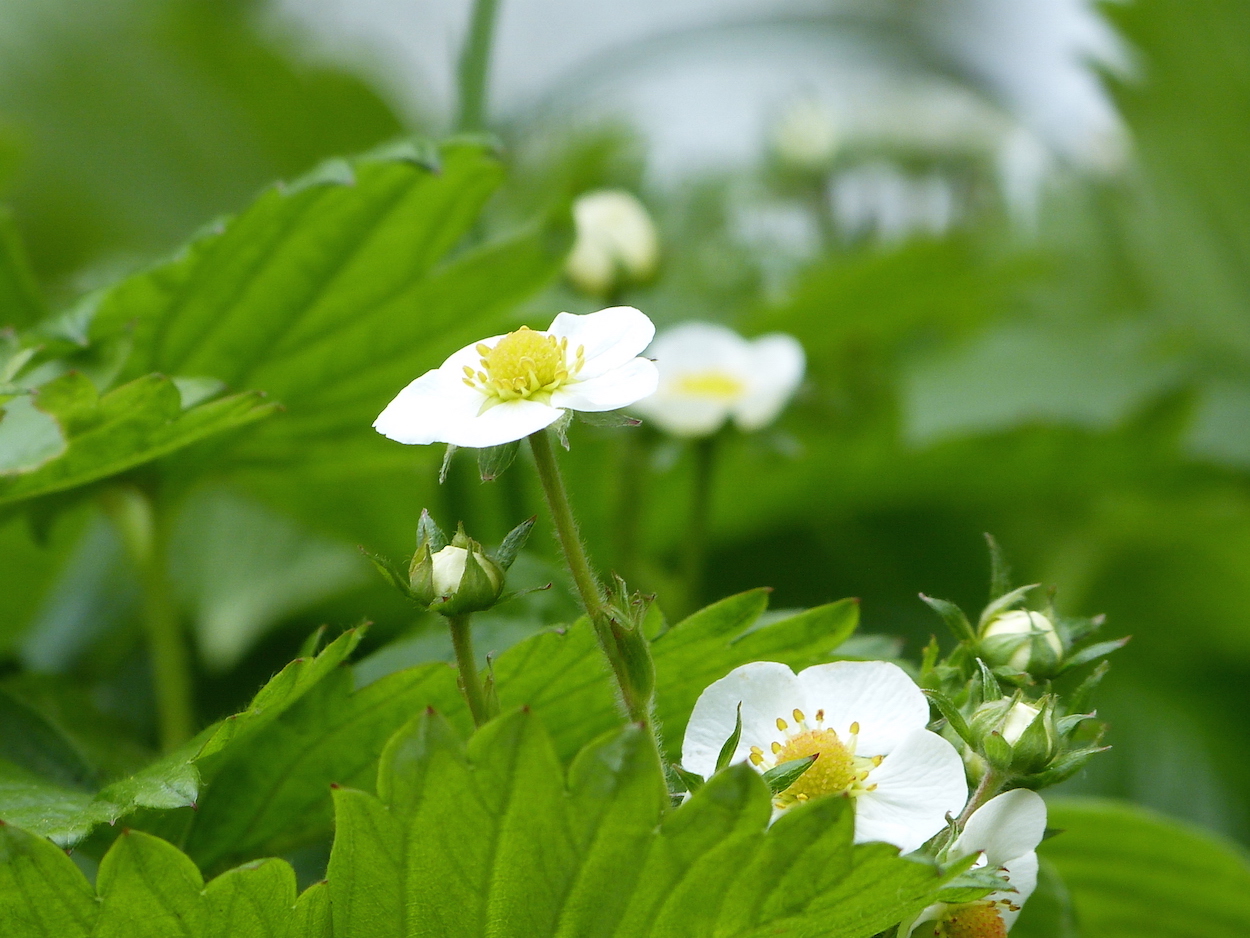
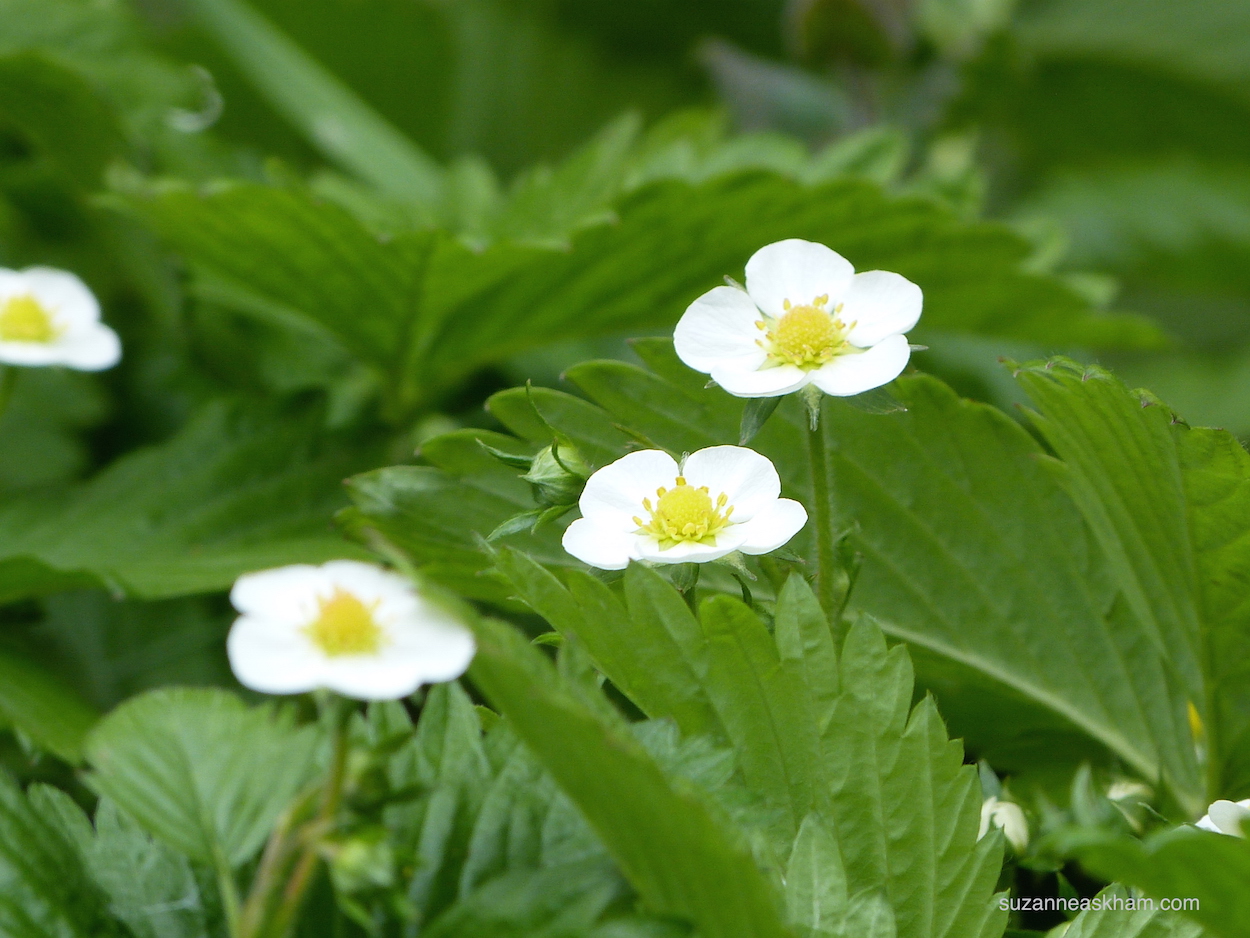
Spring is an ideal time to gather fresh young wild strawberry leaves… but actually, any time of year is pretty good. This easy-going plant is in leaf all year around.
Fragaria viscera grows prolifically as ground cover in my garden, on damp and partly shaded earth. It has even thrived in the gaps between paving stones. Many summers ago, my youngest used to sit naked, a Buddha baby, among the wild strawberry plants munching the tiny sweet crimson berries. I understood then that bliss is built into this little plant’s DNA.
To make an infusion
Wild strawberry tea is a good alternative to green tea.
For one person: pick a small handful of green, healthy leaves. Wash if required. Chop roughly. Place in an infuser in a pot or mug of boiled water for three to five minutes. Remove infuser. Breathe in the fresh green aroma, and enjoy!
Alternatively, harvest larger quantities of the leaves and dry in a single layer on a tray in a warm, ventilated place. An airing cupboard or a dehydrator are both good. When crinkly-dry, store in an airtight jar in a cupboard away from light. The dried leaves are best drunk within one year. Use one teaspoon of dried strawberry leaf in an infuser per person.
I did read recently that strawberry leaves should be infused either fresh or completely dried, not in-between. Apparently there is some mild toxicity present in the in-between state.
Health benefits
The leaves are rich in Vitamin C and also contain iron, calcium, and anti-oxidants. They are rich in tannins, giving them that ‘green tea’ dry taste in the mouth. They help to maintain a healthy digestive tract. They are traditionally used to treat chronic diarrhoea, and also joint pain. Interestingly, they also contain ellagic acid, which reputedly inhibits cancer tumours. Very rarely there may be an allergic reaction to strawberry leaves: in cases of swelling or rash, stop drinking and consult a doctor.
But for the vast majority of people, the wild strawberry is simply an easy-going and very helpful cottage garden plant, happy to grow almost anywhere, in return for some amazing culinary gifts.
How to gather and cook wild garlic
01/05/2015 at 10:50 am | Posted in Uncategorized | 4 CommentsTags: flowers, healing, Health, herbs, nature, nature recipes, naturecraft
 Wild garlic grows in vast, natural fields in damp woodlands in the spring. It’s just waiting for you to harvest it and if the buds are looking like this one above, the perfect time to harvest is right now. Here are some guidelines for you.
Be sure to identify it correctly
Wild garlic, or Allium ursinum, has long very pale green stems. Its leaves are arrowhead-shaped, one per stem. Its buds grow one per stem, and opens out into a loose tuft of pretty white flowers. Every part of the flower has a pungent garlicky fragrance which is best experienced by crushing a leaf lightly between your fingers. There are two toxic plants that must never be confused with wild garlic. Lily of the valley has similar leaves but purple stems, and its flowers grow in a long spray. Lord and Ladies, an arum, has different shaped leaves but grows among the wild garlic and could be scooped up by an over-hasty picker.
Only gather what you need
One spring I went out with relatives and we all went a bit crazy, picking as much garlic as we could carry. Of course it was next to impossible to process all that food, and I’m sorry to say some of the surplus ended up in the compost. It’s a plant that is best eaten fresh, so just gather what you need. If you’re intending to cook wild garlic as a side dish, 20 leaves per person makes a generous portion.
Pick the stems low to the ground
The stems have a more delicate taste and pleasant texture, so be sure to collect them as well as the green leaves. Don’t unearth the bulbs which are very small. The goodness we want is in the aerial part of the plant: the part above the ground.
 Process it early
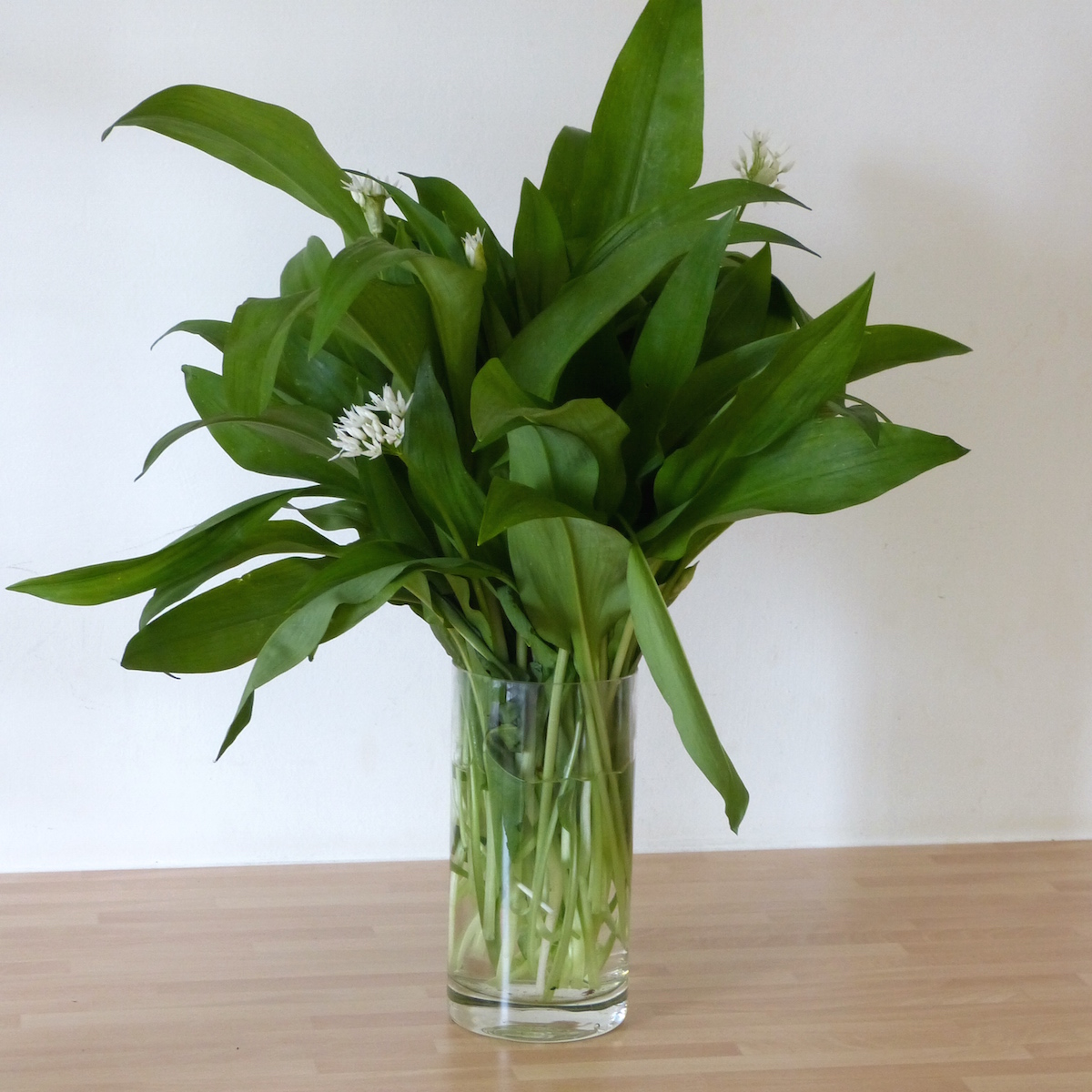
It will keep for two or three days in your kitchen, either in a loose bag in the fridge, or in water as shown here.
Eat it raw
Wash, chop roughly and add in small quantities to salads. The open flowers can also be added to salads, contributing beauty and an amazing peppery taste. 
Create a pesto
There are many recipes on the internet. My favourites don’t copy the classic basil pesto, but blend ingredients that perfectly suit garlic’s distinctive taste. This is a great example by Hugh Fearnley Whittingstall. Blend 50 g of lightly toasted and cooled walnuts in a food processor with around 75 g of washed and chopped garlic leaves, 35 g parmesan cheese, finely grated zest and juice from half an unwaxed lemon and around 130 ml of olive oil. Add sea salt and black pepper to taste. Spoon into a clean empty jar, and store in the fridge. It will keep for several days, but probably won’t last that long – too yummy! You can also freeze portions for up to six months, in my experience. Mix it with pasta or spread on crisp bread.
Cook it as a spring green
Wash and roughly chop leaves and stems, and simmer for a few minutes in a little water until soft and wilted. Make sure the pan doesn’t boil dry. The flavour when cooked is remarkably mild, making it a perfect spring vegetable. You can also add the washed, chopped leaves to a casserole for the last few minutes of cooking. You can create a soup with onion, a little potato, and lots of wild garlic with seasoning and a swirl of cream. Or you can simply add a single raw garlic bud to the centre of any soup as a peppery garnish.
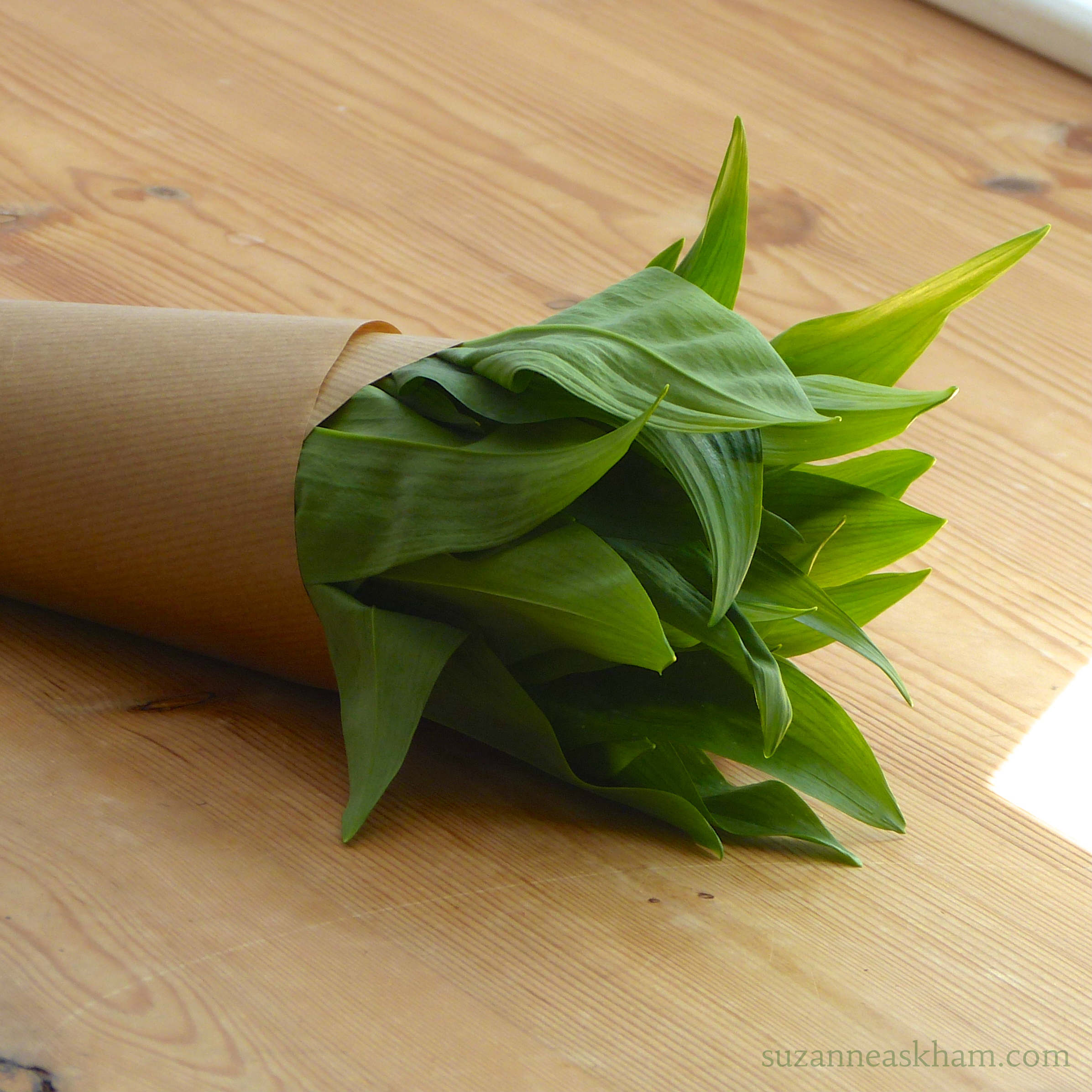
Give a truly fragrant gift
Wrap some wild garlic up in some brown paper and write some simple instructions on the paper. As gifts go, it’s a definite talking point, and you may even be introducing someone to a great spring ingredient. A jar of wild garlic pesto is another popular foodie gift.
Bask in the health benefits
Wild garlic is antibacterial and antiviral, and of all the allium family it is particularly good at lowering blood pressure. So it’s helpful for your immunity and your heart.
Spiritual: a quick definition
08/04/2015 at 4:27 pm | Posted in Uncategorized | 6 CommentsTags: chakras, inspiration, meditation, mindfulness, nature, peace, personal growth, self-awareness, Spirituality, wisdom

People often talk about being spiritual. Others deny that the spiritual realm even exists. But what does being spiritual actually mean? Here is a definition that works for me:
Beyond the levels of thinking and feeling lies pure consciousness, which we experience as pure love. Reaching this is spiritual transformation.
Once you’ve been there – really been there – you’ll always have it. It never goes away, although sometimes we manage to forget it for a while. However, we always remember sooner or later. It has a way of reminding us.
We get there by being fully present in the moment, and thus forgetting our ego-centred worries and desires. Looking at a beautiful aspect of nature – such as a flower, or a small child – can bring us to the shores of the spiritual realm. So, too, can a regular practice of meditation. Sometimes, this happens spontaneously, especially in those moments between sleep and waking. And it can also happen in extremis, when our ego-driven policies are no longer working for us, and we find ourselves yielding to a different, infinitely vaster view of the universe.

Next week a new, huge series of meditations begins in the Studio. Term by term, for seven terms, we’re going to focus on each of the main chakras – the energy centres that enable us to function in the physical realm, and also to develop our deeper understanding of life. This epic theme is designed to suit all levels of ability, and you can dip in and out as you wish. The intention is that we will focus ever more fully on the building blocks of our human psyche and our interface with the wider world.
This term, from now until July, we’ll be focusing on the base or root chakra, which is concerned with physical survival and manifestation. Join us whenever you can. And I hope you will experience the bliss of the spiritual, one word at a time.
A rose for hard times
31/03/2015 at 7:52 am | Posted in Uncategorized | 4 CommentsTags: flowers, happiness, healing, inspiration, life skills, meditation, nature, parenting, positive thinking, special needs, visualization, wellbeing
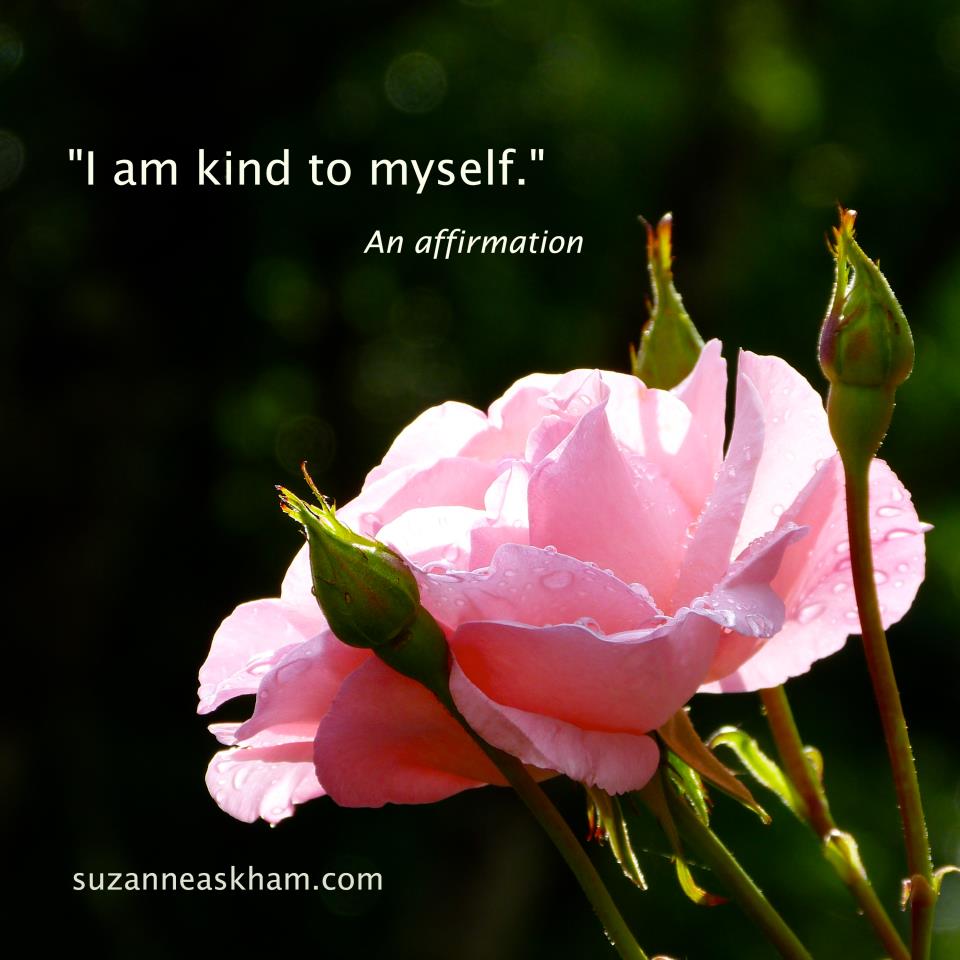
There’s a simple meditative technique we can use in hard times. I call it the Rose Meditation. You can do this anywhere: cleaning the house, ploughing through work, undergoing medical treatment, in a high-voltage meeting….
All you do is this: focus, in your mind’s eye, on a rose. The example shown here was photographed after rain, in the sunshine of the Dordogne.
Picture the feather-light, velvety smoothness of the petals. Imagine yourself miniaturised, resting between the scented petals as though they are the softest bed in the world. Breathe in their heavenly fragrance.
Notice the variations in colour between the inner and outer petals. Absorb the beautiful colours with every cell of your body.
Touch the raindrops; taste their sweetness.
Explore the petals, going inward towards the nectar, and outwards again towards the sun and fresh air.
Do this visualisation any time you feel the need. The rose contains powerful therapy, and simply thinking about it in this way can be soothing, and healing.
Lemon verbena tea – the recipe
27/08/2014 at 4:58 pm | Posted in Uncategorized | 17 CommentsTags: happiness, herbal, herbal tea, herbs, inspiration, meditation, nature, nature recipes, naturecraft, positive thinking, relaxation, wellbeing

If I had to choose one herbal tea to drink for the rest of my life, I would probably choose lemon verbena, also known as Aloysia citrodora. When you brew it strong, it’s zingy, health-enhancing liquid sherbet in a cup: a light and warming drink that lifts the spirits unlike any other. When you brew it weaker, it is a delicate, uplifting citrus-scented beverage. But there is a catch: it has to be harvested and stored with love and respect. If you find a bargain packet of 20 lemon verbena tea bags, walk on by. The aromatic oils will not be present. Without them, you are left with dried and empty leaves.
I first discovered the magic of lemon verbena when travelling with my family through Northern France, eight years ago. We stayed in a guest house with big, bare rooms and botanical books on the shelves. We arrived late, and slept soundly between crisp white cotton sheets. At breakfast the next day, the herbal tea on offer was verveine, which I knew was the French name for this popular tisane. So I asked for verveine. It arrived as a small twig of dried leaves in a pot. The fragrance was heavenly. I was already falling under its spell.
When I drank the brew, I tasted a zingy, lemony lightness. The flavour was so vibrant. It seemed extraordinary that so much could be packed into a small, dried sprig.
The next time I asked for verveine, in an Alpine resort, it had been made with a tea bag, and was a dull disappointment. I discovered then that processing destroys this herb.
Back home, I tried ordering loose leaves from herbal suppliers, but they were never as lemony as that first, fragrant brew. So I experimented with harvesting my own.
My parents had actually been growing an Aloysia citrodora in their greenhouse for years. My mother put a few leaves at the bottom of cake tins for a subtle zingy additions to her bakes. But no one was making tea with it. So I started harvesting their surplus. I made the tea with fresh leaves, four or five chopped roughly per cup. I dried many of the leaves for winter use, as the plant dies down in colder weather. And so I continued for several years.
Nowadays I still harvest from my parents’ greenhouse plant. But recently I bought a plant of my own from Foxley Road Nurseries near Malmesbury in Wiltshire, UK. Co-owner Carol Hinwood is a huge fan of lemon verbena tea, and always keeps a good stock of plants there. All summer long my new Aloysia citrodora has been sitting in my front yard, soaking up the sunshine in a large earthenware pot. It grows quickly, and has even flowered profusely with tiny, fragrant blooms. I cut a stalk at a time, put it in water indoors, and use it successively for three or four cups of tea. It is just beautiful. Before the weather gets too wintry, I will bring it into a cool garden room, to protect it from frost.

Health benefits
The essential oil in lemon verbena is uplifting, de-stressing and relaxing. The plant has anti-viral and anti-fungal properties – studies have shown it to be effective against Candida albicans, or thrush. Lemon verbena is also rich in youth-promoting anti-oxidants. The meditators who come to my studio love it, finding it both peaceful and refreshing.
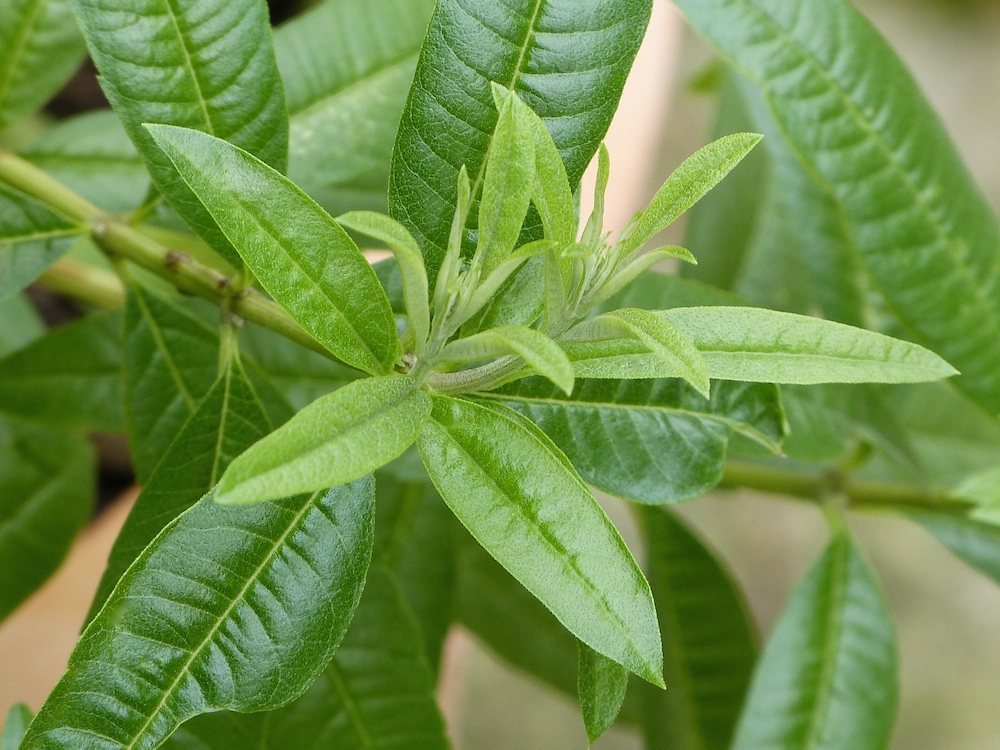
The recipe
First, locate your nearest lemon verbena plant. You may be lucky and know someone who is already growing it. If not, herb nurseries should have young plants available. It can’t cope with frost, so plant it in a large pot in a sunny spot, and bring it into a cool indoor space in the winter. Or grow it in a greenhouse.
Harvest the leaves by pruning the plant when the stalks are around 25 cm or longer. Cut the stalks fairly low down with scissors or secateurs.
For fresh tea:
Roughly chop four to six leaves and place in an infuser, in a cup, preferably covered. Leave to steep for five minutes. Then strain the leaves and drink the resulting, fragrant infusion.
For dried tea:
Dry the leaves by hanging the stems upside down in a large paper bag in a warm space for a few days or weeks until completely dry – the stalks should snap when you try to bend them. You may put them in a jar or bag as they are, or crumple them slightly, to fit more into your jar. I generally remove the leaves from the stalks (easy to do) and just store the leaves. Other people keep the stalks. Either way seems to keep the all-important essential oils intact. Put an air-tight lid on your jar, and store in a cool, dark cupboard. When you are ready to drink the tea, take a few dried leaves, or about one teaspoon of the crumpled herb, and steep in a cup, preferably covered, for five minutes. Strain and drink!
If you are seriously into herbs, as I am, it’s worth investing in a dehydrator. I use an Excalibur that I’ve had for many years. In this case, I take the fresh leaves off the stalks, discard the stalks, and place the leaves on trays in the dehydrator. I dry at a setting of around 45ºC or 115ºF for a couple of hours or so until the leaves are crispy dry. (It’s wise to keep an eye on them. At times I have over-dried and lost some of the essential oils.) Then I place them in a jar, as before.
I believe that to make your herbal tea from nature is to connect with your own true nature. And the nature of lemon verbena is one that’s truly worth connecting with: happy, vibrant, healthy and serene… and absolutely fragrant.
~~~~~~~
PS For a refreshing summer health drink, simply pop one or two leaves of fresh lemon verbena into a glass of cool water. The herb infuses the water with a deliciously light citrus note.
A walk to the compost
02/08/2013 at 10:30 pm | Posted in Uncategorized | 6 CommentsTags: happiness, inspiration, meditation, nature, positive thinking, wellbeing
It’s time to take the peelings out, to the compost bin at the end of the garden. My body is weary. It’s the end of such a busy day. In the kitchen, I pick up the dark green caddy. It’s full of richly odorous vegetation.
At this moment right now, I have two choices. I can do this task resentfully, feeling my tiredness every step of the way. Or I can choose to enjoy the experience, choose to be fully present and notice my short walk to the compost bin with all my senses.
Today, I choose to be present.
I step barefoot into the yard. Above me, I hear the tall poplars whispering in the breeze. I feel the warmth of stone beneath my feet, a spa-like sensation. Then, I step onto cool lush grass. The soles of my feet are thrilled. It feels like ancient reflexology for body and soul. My tiredness has vanished – so fast!
I walk by small trees laden with young apples, bursting with life and vitality.
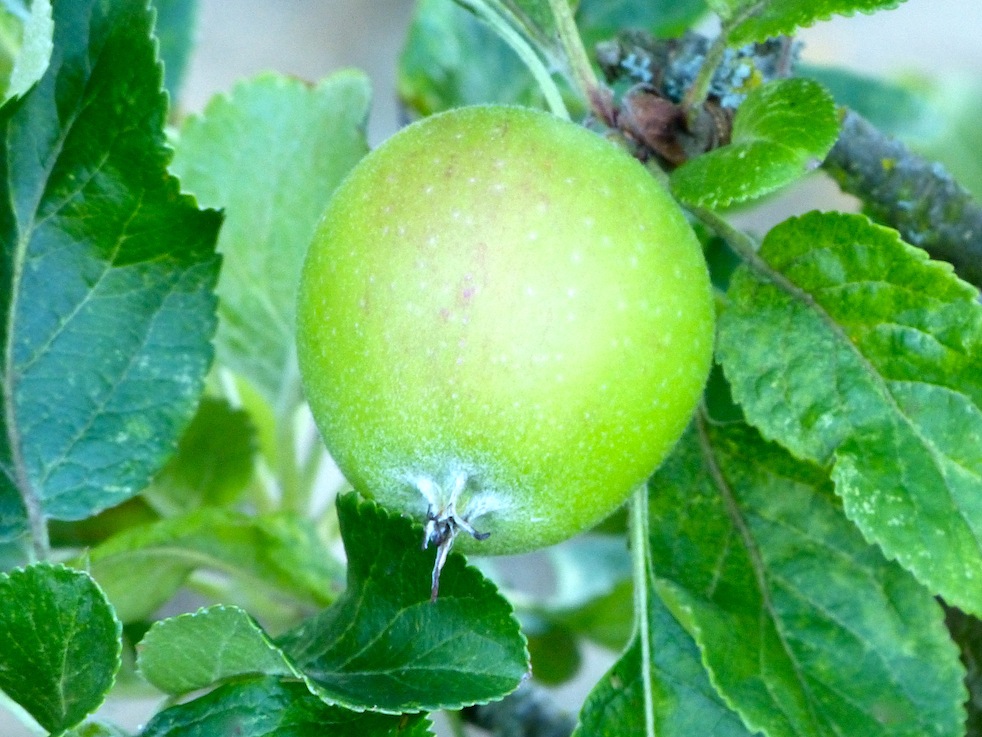
Beyond, on the hill, I see cows grazing in the sunlight. 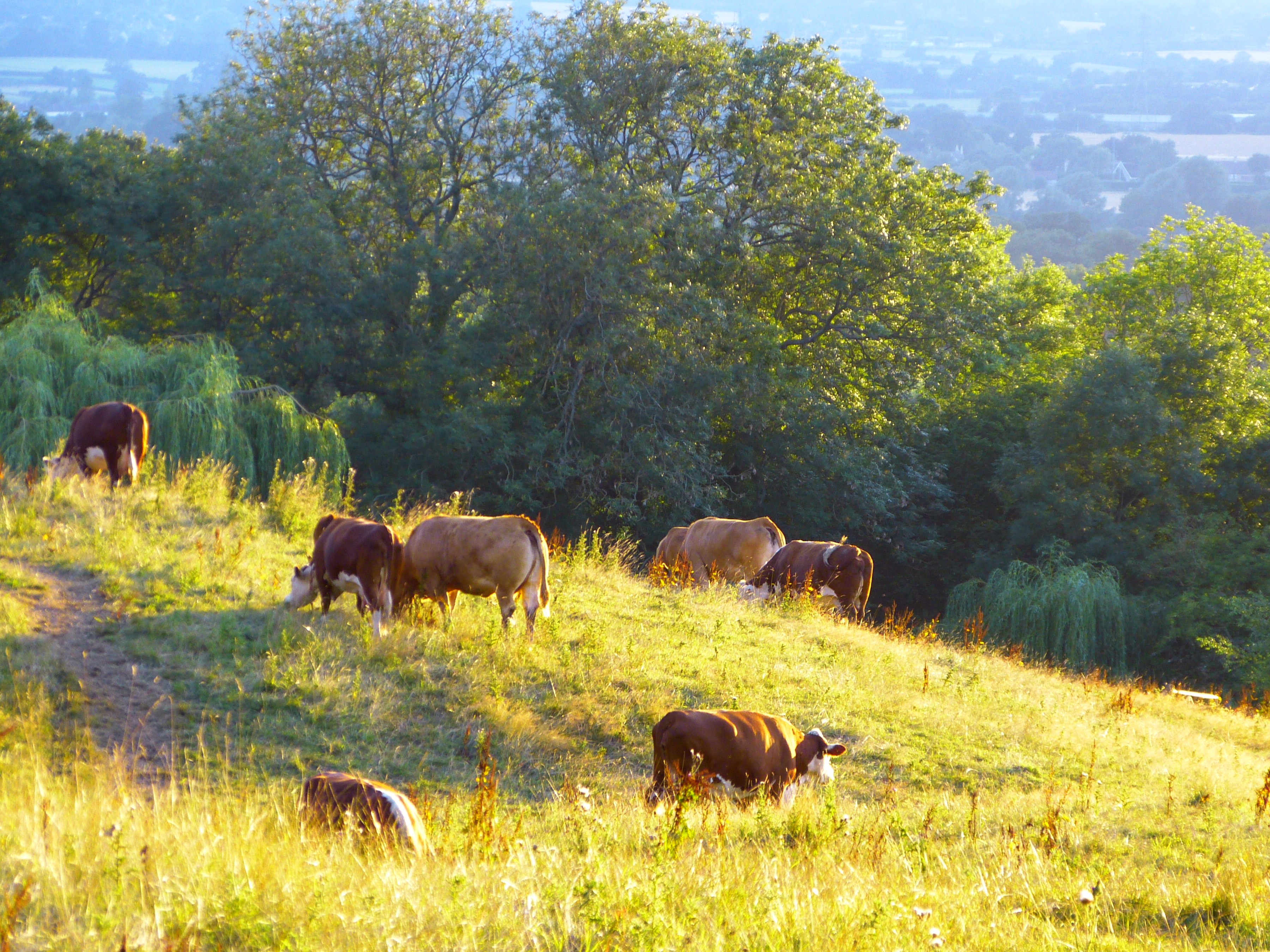
I reach the compost bin. I tip the contents of the green kitchen caddy into it: onion and garlic peelings tumble with tomato stalks and marshmallow leaves into the pungent abyss below. The odour of vegetation returning to nature is unmistakable. In a year’s time, it will all be rich, brown earth.
And then I turn back, treading over that lush, cool green grass, my bare feet still revelling in the sensation. I look skywards, at towering clouds just masking the sun. My daughter, as a small child, used to say that unicorns played in the white cloud light of the evening sun. I can and do imagine them there, invisible in the brightness.
Can you see them?

That, then was my walk to the compost. It could have been awful. It was idyllic. The choice was only ever mine to make.
What choices did you make today?
What did you do today?
07/07/2013 at 10:36 pm | Posted in Happiness, Inspiration, Nature, Uncategorized | 11 CommentsTags: happiness, healing, inspiration, meditation, nature, positive thinking, Spirituality, wellbeing
 “What did you do today?”
I breathed. I lived. I put my bare feet on the earth.
“Yes, but what did you do?”
I’ve just told you what I did.
“What else did you do?”
I had a laugh with ones I love. I ate almonds under a wild cherry tree. I breathed the sweet scent of a pure white rose.
“Sounds nice. Anything else?”
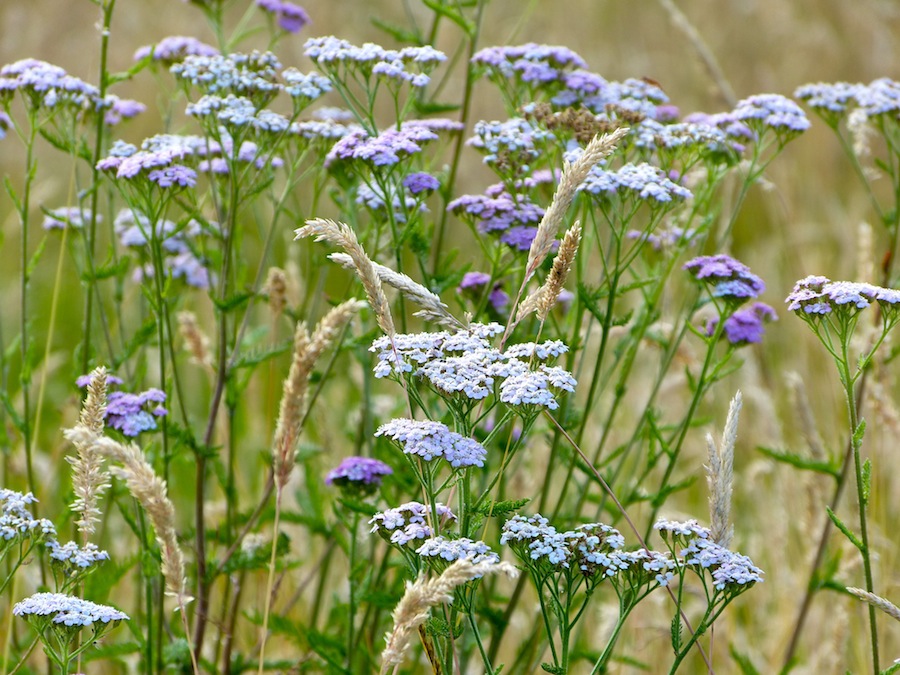
Yes, now that you come to mention it, I gathered yarrow under a cloudless sky. I touched a silver birch whose leaves were shimmering in the breeze. And I watched the red sun go down, while a handsome man held me close…
That’s what I did today. And what about you; what did you do? Don’t tell me the stuff you didn’t really care about. Tell me what mattered to you.
The real meaning of home
28/09/2012 at 3:02 pm | Posted in Happiness, Meditation, Nature, Wellbeing | 12 CommentsTags: Guidance, happiness, healing, inspiration, Intuition, meditation, nature, pre-history, Spirituality, wellbeing
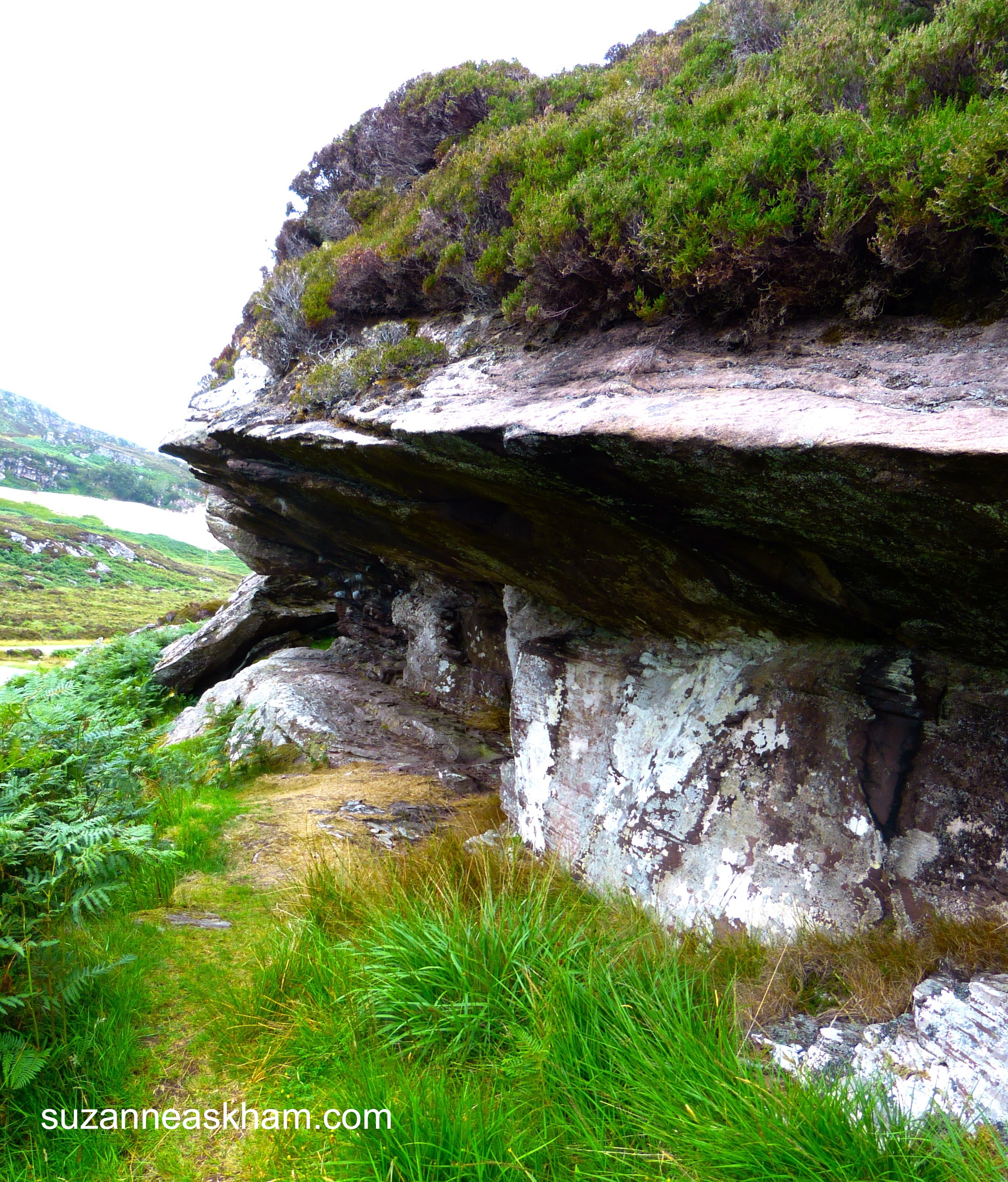 In our distant nomadic past, home was where we settled for the night: it was shelter, a place we lay down – a place of rest. Recently, on the West Coast of Scotland, I came across a perfect example of home at its simplest. This stone outcrop at Sand provided shelter for our ancestors nearly 10,000 years ago. It was their bedroom, and also their kitchen: there is evidence that they collected limpets from the sea shore and boiled them up in water before eating them.
My daughter led me up and onto the roof of the shelter. “There’s a place I’ve got to show you,” she said. “You’re going to love it; it’s really special.” And she was right. On the heather-clad roof there were several broad stones: slabs of natural paving. One, in particular, was a perfect meditation seat. It was easy to sit there, gaze out to sea and simply let your thoughts drift into that in-between place – the other realm.
When I did so, I found myself talking to the inhabitants of that time. We weren’t using words, exactly, but we were communicating. To my surprise, I found they were admiring my build: the fact that compared with them I looked immensely well fed. I was aware of their lightness and slimness and superb fitness, and found myself wishing that I exercised more.
Self-acceptance
They were surprised at my lack of self-acceptance on this matter. They reminded me of the goodness of Mother Earth, or the Mother as they called her. She provided what we needed, and it made no sense to disparage her gifts. Abundance was a blessing. Each of us was a creation of the Mother. Each of us was divine. How could we criticise ourselves in that context? Criticism was utterly meaningless.
I actually had the sense they were laughing at me, as if I were a child who didn’t quite understand. And yet there was also respect. It was as if they saw wisdom in me, as I saw wisdom in them. And the wisdom wasn’t individual wisdom; it was collective. We all shared knowledge… and this knowledge was infinite awareness.
And then I understood the true meaning of home. It is unconditional love, and it is acceptance. When you are at home – truly at home – you are loved, you are accepted. During the many times we find ourselves on our own, we can still feel unconditional love and acceptance towards ourselves. And when we are with others – however distant in terms of culture, or the passage of time – we can feel that exact same connection. As I did on that rock.
Down below, a car horn was sounding. I was being summoned back to the 21st Century. I clambered down the heather slopes, sea breeze in my hair, aware that the bliss I was feeling is our natural birthright.
It’s your birthright; it truly is.
This moment now
30/07/2012 at 10:25 am | Posted in Happiness, Meditation, Nature, Uncategorized, Wellbeing | 1 CommentTags: affirmation, flowers, Guidance, inspiration, meditation, nature, Spirituality, wellbeing
 This moment now is all we ever have, but it’s enough, because it’s everything.
Have a magical day.
Spirit of the Earth
15/06/2012 at 5:06 pm | Posted in Meditation, Nature, Uncategorized | 3 CommentsTags: inspiration, meditation, nature
 Following on from my last post about the Stone Age and the base chakra, here is a favourite verse, from the Navajo Blessing Way, placed with a photo I took last week in the Dordogne, France, centre of the Stone Age. Enjoy.
Website Built with WordPress.com.
Entries and comments feeds.

