What an ice mountain can tell you
30/07/2016 at 8:52 pm | Posted in Uncategorized | 1 CommentTags: Guidance, healing, insight, inspiration, meditation, nature, personal development, sacred site, travel
Some places feel special, in ways we don’t fully understand. One such I visited recently is Snaefellsjokull. This ice-capped volcanic mountain rises from a remote Western peninsula in Iceland. Its name translates as ‘Snow-fell glacier’.

Perhaps it feels remarkable because of the near-Arctic juxtaposition of ancient fire and eternal ice, enhanced by the mystery of ocean clouds.
Or maybe it’s because the myriad volcanic peaks in this region take on their own fierce presence in a stark landscape created by the slow separation of two major continental plates.

On the slopes of the glacier itself, the sense of presence grows stronger, along with a distinct chill. It’s easy to see why Jules Verne chose Snaefellsjokull as the entrance to the earth’s core in his novel, Journey to the Centre of the Earth.
There’s a purity and absolute freshness to the air, as though all human preconceptions have been frozen or blasted away.

The ancient volcano brings gifts to the watchful. My daughter found a piece of obsidian – black fire glass. And I discovered what I fancied to be the subtle, changing image of a fire sprite on a smooth piece of basalt.
Snaefellsjokull is said to be one of the sacred centres of the earth, a portal to other realms.

Standing on the glacier, it’s possible to see things differently… to recognise the true landscape of our own lives.

An ice mountain can tell you much about yourself.
Each of us carries within us the qualities of Snaefellsjokull: the ice and fire, the mystery and the deep, all held within a shimmering equilibrium that is subject to disruption when inner or outer forces overturn the state of balance.
Witnessing this in nature is to witness it in ourselves. We can open up to these qualities, and allow them to flow through the meridians, our own subtle energy channels.
There are four burning questions an ice mountain draws out of us:
• What in you is ready to be expressed?
• Look deeper now. What are you suppressing?
• Do you always recognise your own inner promptings towards action?
• And, above all, do you honour the passions and visions that ignite you?
Take time to answer these questions. They are a recipe for life-long wellbeing.

Recipe: summer flower cordial
24/06/2016 at 6:20 pm | Posted in Uncategorized | 1 CommentTags: nature, nature recipes, naturecraft, recipe, wellbeing
This delicious summer drink is prepared over two fragrant, flower-filled days. It makes approx 2.5 litres.
Day One
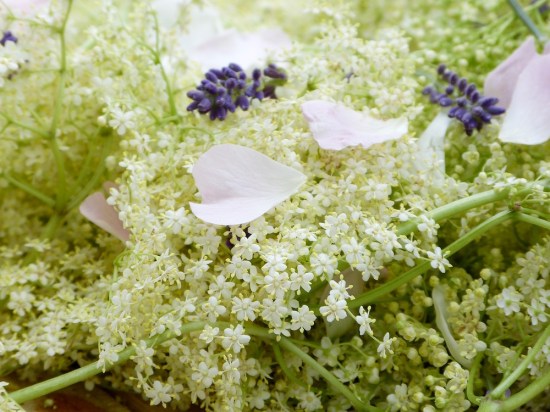
Take 20 or so elderflower heads with thick stalks removed, add a handful of rose petals (I used a mix of wild roses with some fragrant garden ones), seven sprigs of lavender, two sliced lemons and two handfuls of wild or cultivated strawberries. Meanwhile, add 1.3 kg sugar to 1.8 kg just boiled water in a big bowl. Stir to dissolve, creating syrupy water.
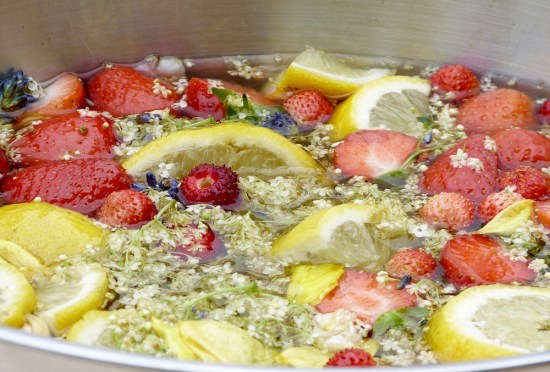
Add all ingredients to the bowl of syrupy water, cover with a cloth and leave for 24 hours.
Day Two
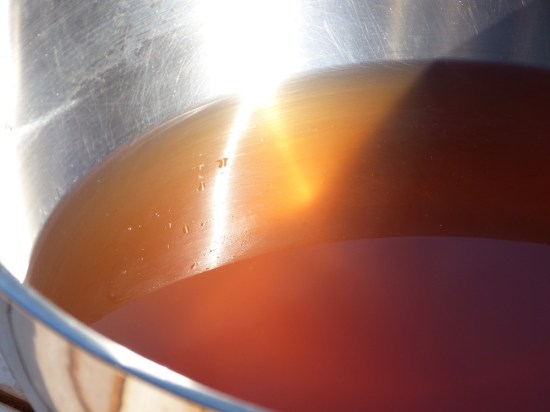
Strain mixture through a clean muslin cloth or old clean pillow case. Squeeze well to extract the juice. Pour the fragrant cordial into bottles.

Drink diluted with water. Delicious! Also goes well with sparkling water, tonic water or even ginger ale.
Feel free to vary the flowers and fruit according to what you can find. That’s all part of the fun.
To be a gardener of the mind
05/05/2016 at 10:17 pm | Posted in Uncategorized | Leave a commentTags: Guidance, life skills, meditation, mindfulness, nature, personal growth, s
 The Studio garden is warming up. Wild cherry blossoms are opening in the sunlight. Cowslips and primroses are mingling with bluebells and forget-me-nots. There’s plenty of gardening to do, even in this semi-wild space. The earth always brings new insights into nature and human nature.
Today I’m removing weeds to create space for cultivated plants. Weeds are ok. Many are edible: dandelions, bramble, chickweed and nettle are harvested elsewhere in the garden for herbal teas, salads, pies and the cooking pot. Others are beautiful: bindweed throws white trumpet flowers over the hedgerow that separates garden from field.
But I’m not letting any wild plants take over the entire garden. I am choosing where they can thrive, and where they cannot.
This choosing of what may grow and what may not is very like the way we tend our minds.
Thoughts we think habitually are like plants with long, tenacious roots.
Thoughts that are more transient are like annual plants, with shallow roots.
The annual plants are easy to pull up, should we wish to. Chickweed pretty well lives on the surface, and can be scooped up for salads. Annual plants resemble topics that grab our attention for a season, and then vanish.
The most established perennial plants, however, are deeply entrenched. Bindweed and bramble have roots that travel horizontally long distances underground. Horsetail has roots that can grow a full two metres deep. These can be likened to long-held family beliefs that have been handed down through many generations.

We can choose to be gardeners of the mind by doing these three things:
• Become aware of our thoughts and beliefs, through techniques such as mindfulness, meditation, and gardening.
• Witness these thoughts with non-judgmental loving kindness.
• Cultivate the thoughts that make sense, that support and nourish us; let go of the thoughts that don’t.
And then we need to keep doing these things, season after season. That’s how we become gardeners of the mind.
Breathing mindfully the ocean way
08/04/2016 at 6:04 pm | Posted in Uncategorized | Leave a commentTags: Guidance, happiness, inspiration, meditation, mindfulness, nature, wellbeing

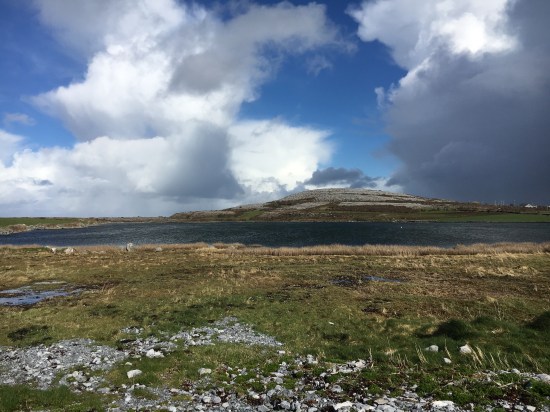
I stood on a bumpy shore in Galway, Ireland and breathed in salty cool Atlantic air. Suddenly, my lungs were filled with fresh ocean breezes. Each in-breath came with an excitement of Atlantic energy. Each out-breath took with it a thousand everyday stresses.
In a situation like that, you can’t help but be fully present. My mind wasn’t about to wander, because the experience was so vivid.
All my senses were engaged with savouring this moment. I could taste the salt in the air, feel the wind speed-weaving my hair into maritime knots, see the sunlight dancing through fast moving clouds, breathe in the tangy scent of seaweed, and hear the waves lapping against pebbles. Additionally, the wind was chilling!
The challenge is to breathe equally mindfully in familiar situations – in our everyday life. In fact, this is one of the very best meditations to practise regularly. Simply sit in silence once a day – first thing in the morning is perfect – and focus on your breathing for 20 minutes or so. And notice what you notice.
Here are three techniques that can be helpful.
1. Treat every mindful breathing session as though it’s the first time. You are a traveller, newly arrived at this shoreline of your breathing. Witness the air entering you as though it’s the most amazing newcomer in your life. Witness it leaving you like the life-long friend it is.
2. Focus on a particular point: such as the nostrils, the lungs or the abdomen. Notice the sensation of the air as it enters and leaves you. Witness how your muscles expand and contract rhythmically. Mindfulness pioneer Jon Kabat-Zinn suggests focusing on the belly, and likens it to the deeper, slower moving currents of the ocean: “When we focus on our breathing down in the belly,” he writes in Full Catastrophe Living, “we are tuning into a region of the body that is far from the head and thus far below the agitations of our thinking mind. It is intrinsically calmer.”
3. At intervals during your day, whenever you remember to, briefly observe your breathing. When you next feel stressed, make a point of noticing what is happening to your breath. Focus on the belly, as it rises with the in-breath and falls with the out-breath. Sometimes this movement is subtle. In the time you take to witness it, the stress or surface agitation has often lessened. It’s as if that pause creates a tiny gap in the stressfully woven fabric of your life, and loosens every thing up so new options can emerge.
How to visualise during meditation
27/01/2016 at 6:44 pm | Posted in Uncategorized | 7 CommentsTags: affirmation, Guidance, inspiration, meditation, nature, positive thinking, self-development, visualisation, wellbeing
Here is a photo taken on a recent sunny, frosty day…

And here is another photo taken from the exact same spot…
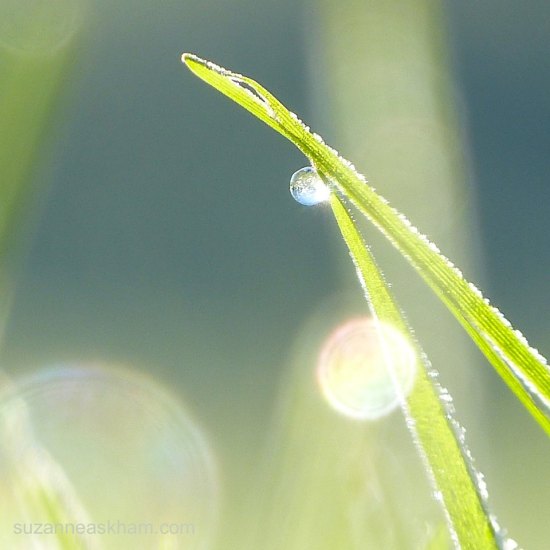
The only real difference between them is that in one, I decided to focus on the big picture. In the other, I zoomed into a tiny, beautiful detail.
Visualisation during meditation is exactly like that. We choose what to think about – focus on – in our mind’s eye. Then we close our eyes and reconstruct our chosen image in our mind.
It’s not always easy. Sometimes it can seem really hard. But if that’s the case, stick with it, as you are building up new ‘muscles’ in your mind. It gets easier with practice.
It helps a lot if you study a real image first…
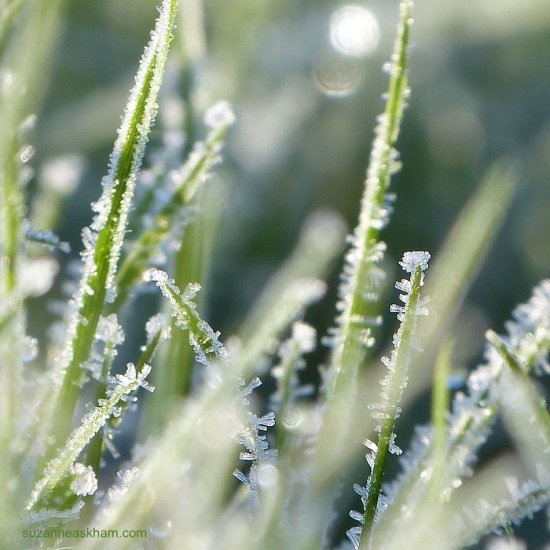
Notice all the tiny details that you can, then close your eyes and imagine them all over again. Pretty quickly, this process can feel calming and restful. This is the first gift of visualisation.
The second gift of visualisation is that you can use it to imagine things you’d like to have in your life. The rambling house in the country; the fulfilling work; the happy family….
Practise visualisation in meditation because it feels good, lowers your blood pressure, calms and revives you. Then, if you choose, practise visualisation with things you haven’t yet seen, but would like to. Imagine them as though they are as real and detailed as the images on this page. Allow meditative feelings of calm and happiness fill you as you do so.
In time, you will reduce the time you worry about what you don’t have, and increase the time you spend enjoying what you do have, which will encourage the good things to proliferate in your life, and increase your wellbeing, one meditative step at a time.
What sort of meditation do you do?
30/08/2015 at 10:01 am | Posted in Uncategorized | 4 CommentsTags: Dreams, Guidance, inspiration, meditation, nature, Spirituality

People often ask what sort of meditation we practise at the Studio. They expect to hear that we follow a particular school, be it Mindfulness, Christian, Vipassana, Transcendental or possibly following the teachings of a Buddhist leader such as Thich Nhat Hanh.
The truth is, we don’t follow any of these schools, although we do take an interest in them and are inspired by their insights. But our method is much simpler.
I call our practice ‘Intuitive Meditation’, because it came to me in a series of dreams and mystical experiences many years ago, around the time of the birth of my son, Tim. Readers of this blog will know that Tim was born with a complex set of health issues, and a happy, sociable and life-loving personality.
For a period of two years or more, before and after his birth, I experienced some intense dreams and waking visions. Through them I began to understand every human is a unique manifestation of the ‘All That Is’ – apparently separate, yet actually part of the whole.
One morning, as I woke up, I heard a simple yet beautiful song coming apparently from an invisible realm. It was sublimely uplifting. A mellow, male voice began each line with “I am…” Each verse had five lines, and the final line was always, “I am the Ocean”. The ‘O’ was long drawn out. The first four lines varied, but followed the same format:
“I am the land
I am the sea
I am the leaf
I am the tree
I am the ocean.’
The song faded away as I became fully awake. I was left with a sense of the beauty of nature, and the numinous insight that a unifying consciousness shines through all aspects of nature, including ourselves.
Immediately, I began to use the “I am” format in my own meditation practice. I would breathe in “I am” and breathe out a word from nature, or from our true nature. “I am leaf…” or “I am peace…” or “I am water…”. I would use one word for each meditation session.
The method was instantly calming and blissful. More than that, intuitive insights arose: it felt as though I was receiving invisible guidance to help me tread a sometimes difficult path.
Over many years, other people began to join me. Today, small groups of us gather in a hillside studio in North Wiltshire, where expansive views constantly remind us that natural beauty is in us and around us, and a subtle light shines through it all.
A young hare’s guide to peace
03/07/2015 at 4:26 pm | Posted in Uncategorized | 6 CommentsTags: Guidance, happiness, healing, inspiration, mindfulness, nature, peace, personal development
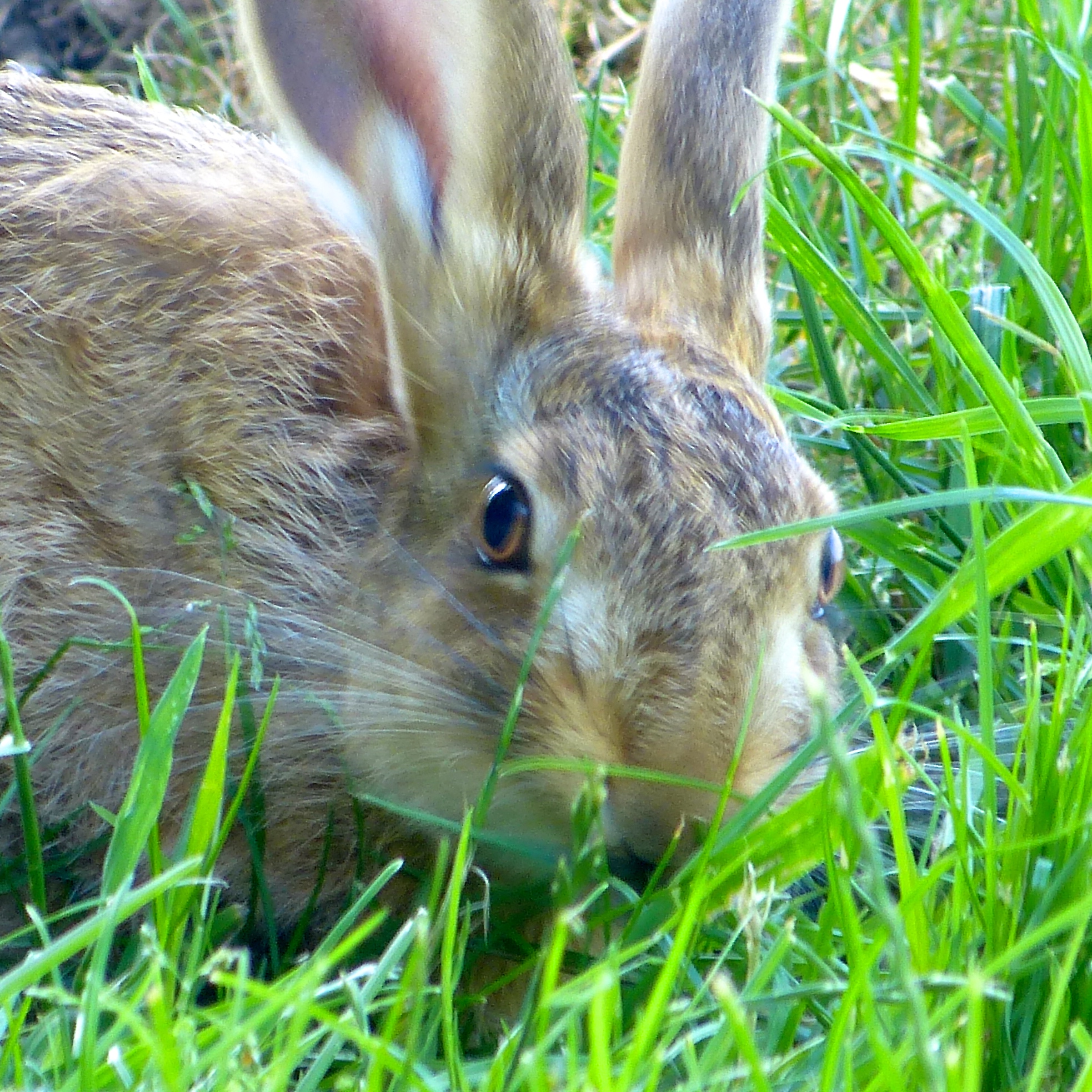
When we are peaceful in nature, nature comes peacefully to us. Last spring, collecting wild garlic in the woods, I was delighted when a deer came to graze nearby. We continued to crop the spring greens, each in our own way. It was companionable. I was the one who moved away first, when my basket was full.
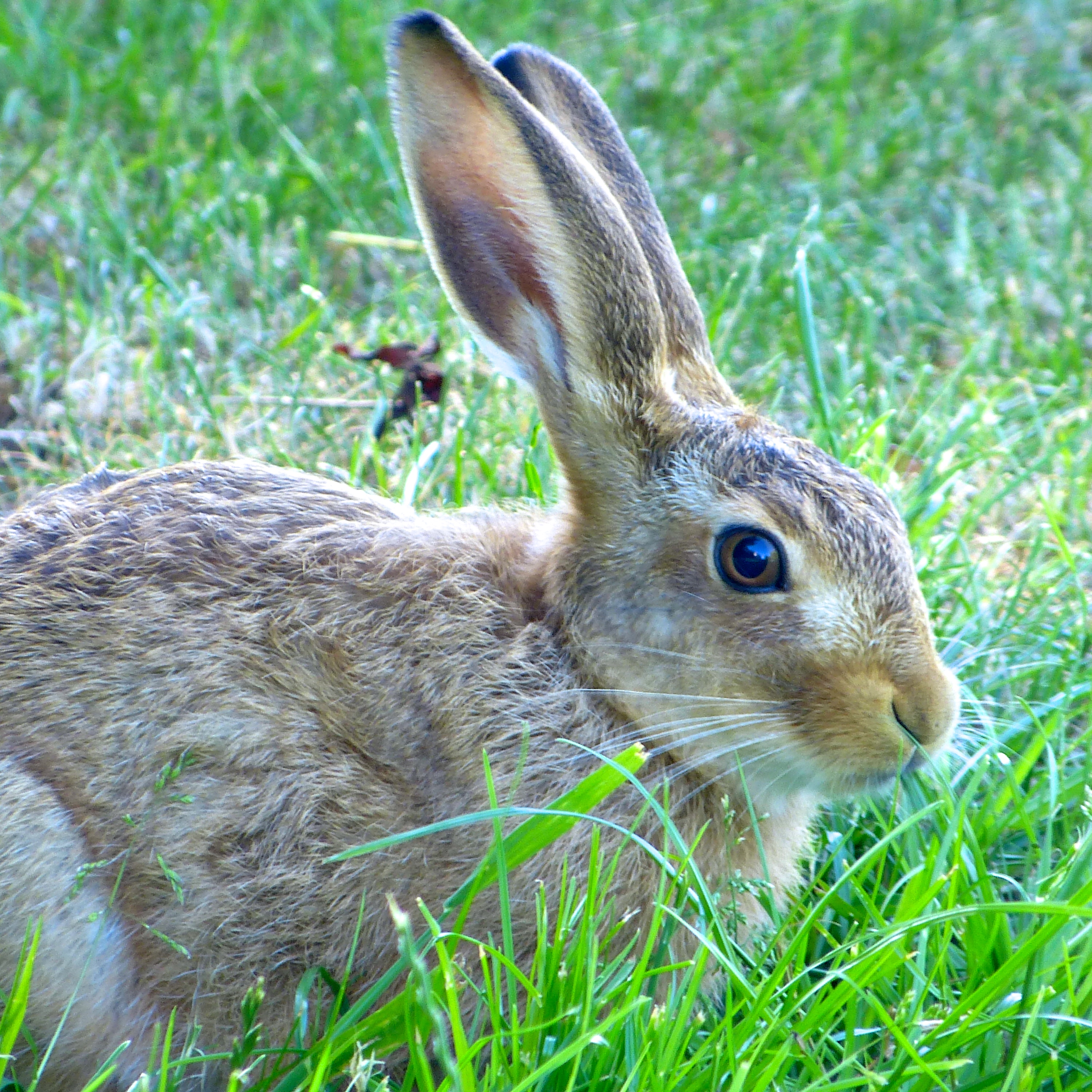
Then, ten days ago, a young hare came to live in our garden. He wasn’t distant; he was frequently under our heels. Although we startled him, he didn’t move far away. He ate some carrots I left out for him. One day, I sat on a stone step, drinking green tea, and he sat nearby, eating grass in the sunlight. Ears upright and contented. I chatted. He listened. I loved the way his ears swivelled attentively when I spoke. If you want to learn the art of true listening, watch a hare.
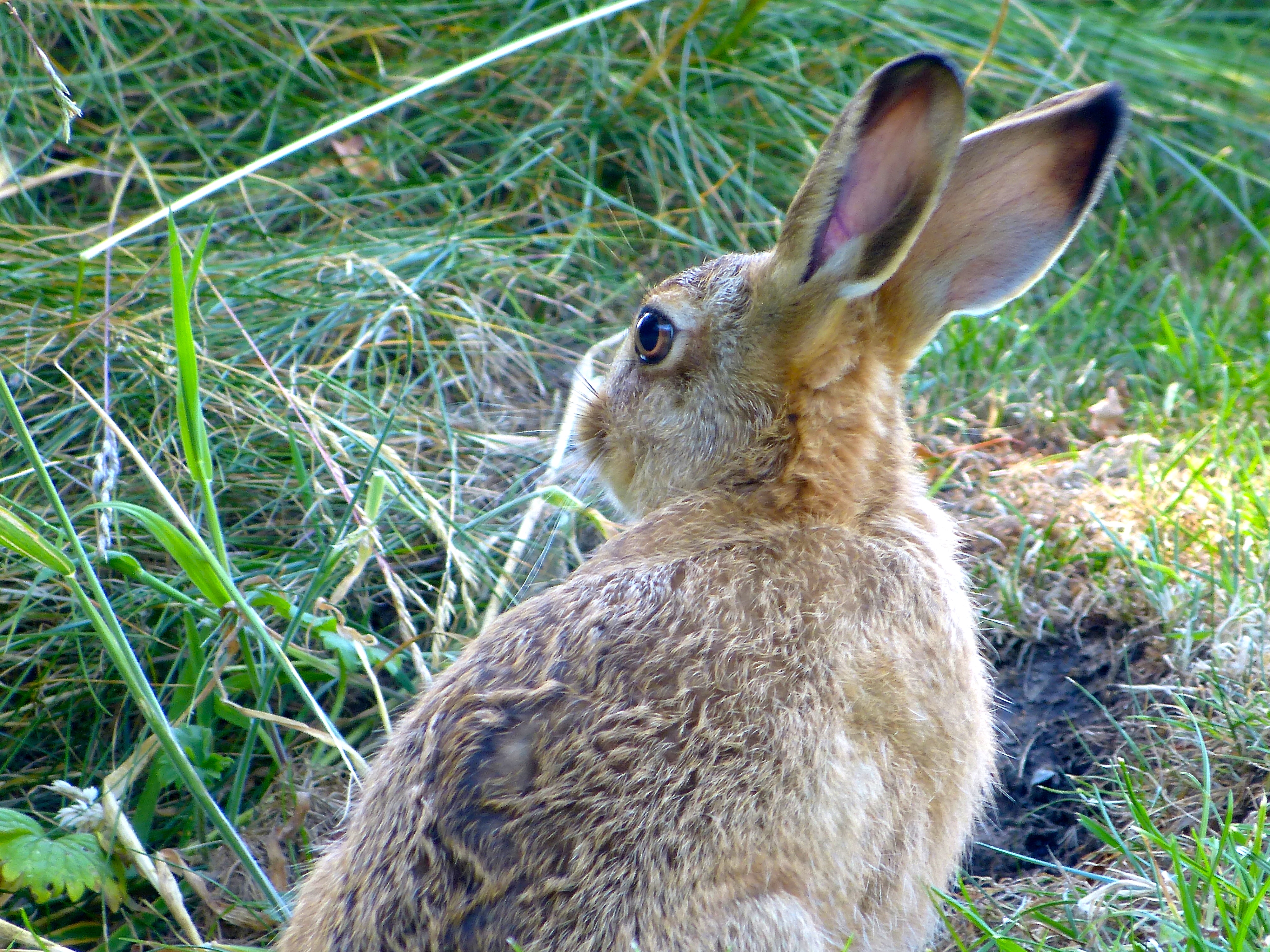
When a being so wild and natural is happy in your company, it is a wonderful feeling. Again, I was the one who eventually moved away. My human schedule beckoned. His precocial nature allowed him to simply be.
Our hare is now spending more time in the field next door. But he still visits our garden. Two nights ago, I saw him in the silver light of the full moon, grazing on the lawn.
Hares and people have a lot in common. When we are peaceful, others around us are more likely to be calm and contented. Maybe that is how we will eventually create a more tranquil world: not by telling others that they are wrong and we are right, but by experiencing a deep, numinous peace within ourselves. It’s a feeling that others can’t help but respond to.
Gathering wild strawberry leaves for tea
07/05/2015 at 6:16 pm | Posted in Uncategorized | Leave a commentTags: herbal tea, herbs, nature, naturecraft, naturerecipes

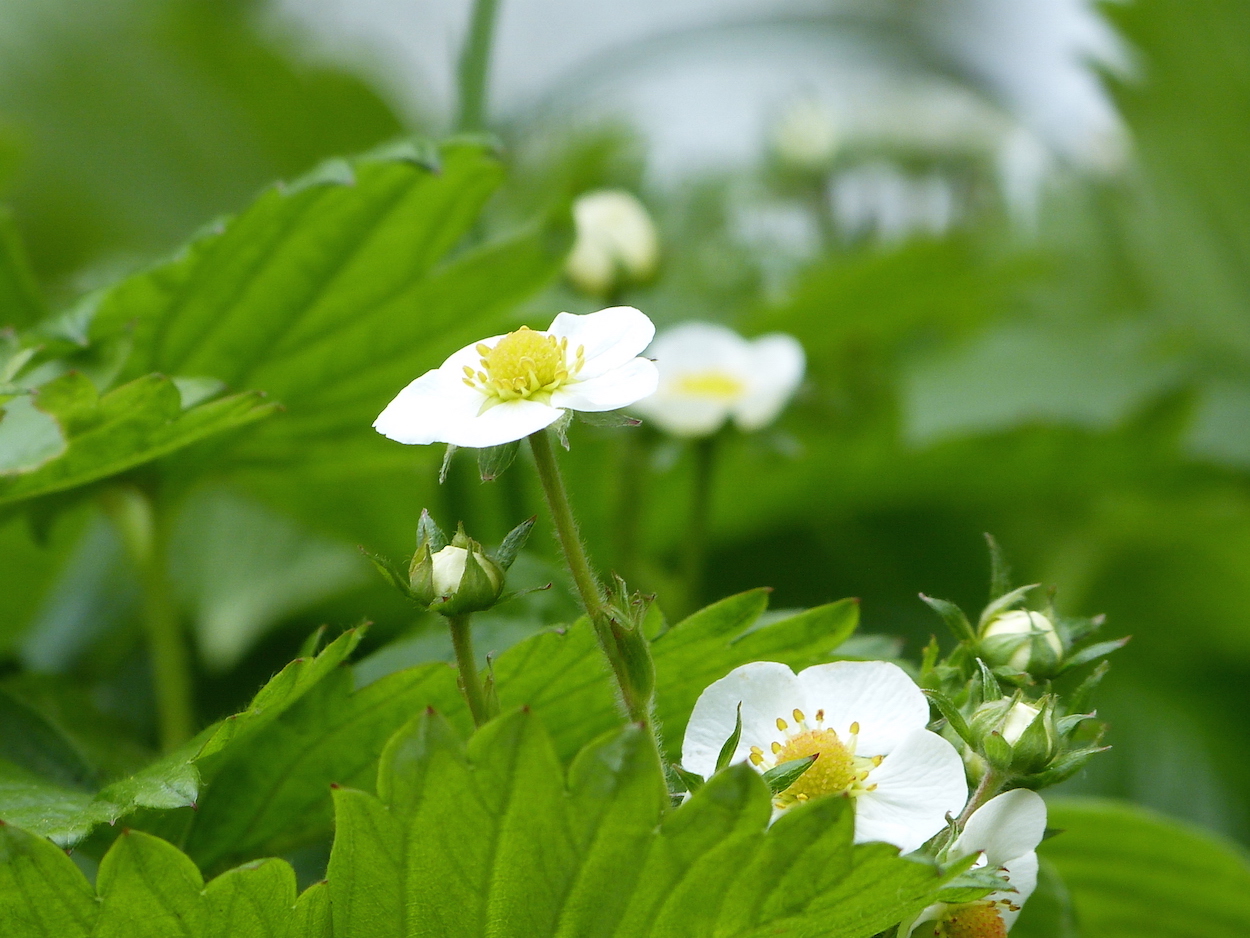
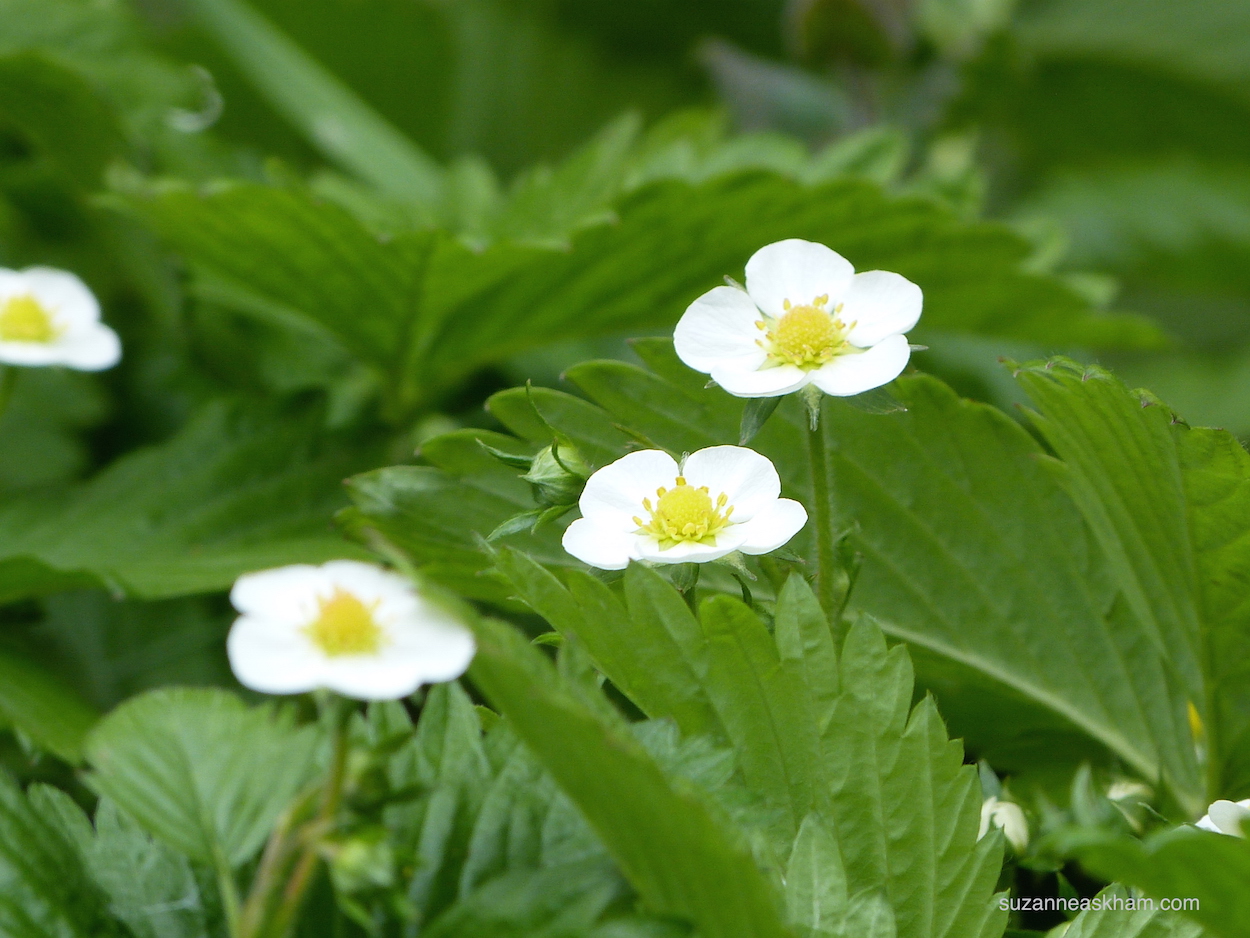
Spring is an ideal time to gather fresh young wild strawberry leaves… but actually, any time of year is pretty good. This easy-going plant is in leaf all year around.
Fragaria viscera grows prolifically as ground cover in my garden, on damp and partly shaded earth. It has even thrived in the gaps between paving stones. Many summers ago, my youngest used to sit naked, a Buddha baby, among the wild strawberry plants munching the tiny sweet crimson berries. I understood then that bliss is built into this little plant’s DNA.
To make an infusion
Wild strawberry tea is a good alternative to green tea.
For one person: pick a small handful of green, healthy leaves. Wash if required. Chop roughly. Place in an infuser in a pot or mug of boiled water for three to five minutes. Remove infuser. Breathe in the fresh green aroma, and enjoy!
Alternatively, harvest larger quantities of the leaves and dry in a single layer on a tray in a warm, ventilated place. An airing cupboard or a dehydrator are both good. When crinkly-dry, store in an airtight jar in a cupboard away from light. The dried leaves are best drunk within one year. Use one teaspoon of dried strawberry leaf in an infuser per person.
I did read recently that strawberry leaves should be infused either fresh or completely dried, not in-between. Apparently there is some mild toxicity present in the in-between state.
Health benefits
The leaves are rich in Vitamin C and also contain iron, calcium, and anti-oxidants. They are rich in tannins, giving them that ‘green tea’ dry taste in the mouth. They help to maintain a healthy digestive tract. They are traditionally used to treat chronic diarrhoea, and also joint pain. Interestingly, they also contain ellagic acid, which reputedly inhibits cancer tumours. Very rarely there may be an allergic reaction to strawberry leaves: in cases of swelling or rash, stop drinking and consult a doctor.
But for the vast majority of people, the wild strawberry is simply an easy-going and very helpful cottage garden plant, happy to grow almost anywhere, in return for some amazing culinary gifts.
How to gather and cook wild garlic
01/05/2015 at 10:50 am | Posted in Uncategorized | 4 CommentsTags: flowers, healing, Health, herbs, nature, nature recipes, naturecraft
 Wild garlic grows in vast, natural fields in damp woodlands in the spring. It’s just waiting for you to harvest it and if the buds are looking like this one above, the perfect time to harvest is right now. Here are some guidelines for you.
Be sure to identify it correctly
Wild garlic, or Allium ursinum, has long very pale green stems. Its leaves are arrowhead-shaped, one per stem. Its buds grow one per stem, and opens out into a loose tuft of pretty white flowers. Every part of the flower has a pungent garlicky fragrance which is best experienced by crushing a leaf lightly between your fingers. There are two toxic plants that must never be confused with wild garlic. Lily of the valley has similar leaves but purple stems, and its flowers grow in a long spray. Lord and Ladies, an arum, has different shaped leaves but grows among the wild garlic and could be scooped up by an over-hasty picker.
Only gather what you need
One spring I went out with relatives and we all went a bit crazy, picking as much garlic as we could carry. Of course it was next to impossible to process all that food, and I’m sorry to say some of the surplus ended up in the compost. It’s a plant that is best eaten fresh, so just gather what you need. If you’re intending to cook wild garlic as a side dish, 20 leaves per person makes a generous portion.
Pick the stems low to the ground
The stems have a more delicate taste and pleasant texture, so be sure to collect them as well as the green leaves. Don’t unearth the bulbs which are very small. The goodness we want is in the aerial part of the plant: the part above the ground.
 Process it early
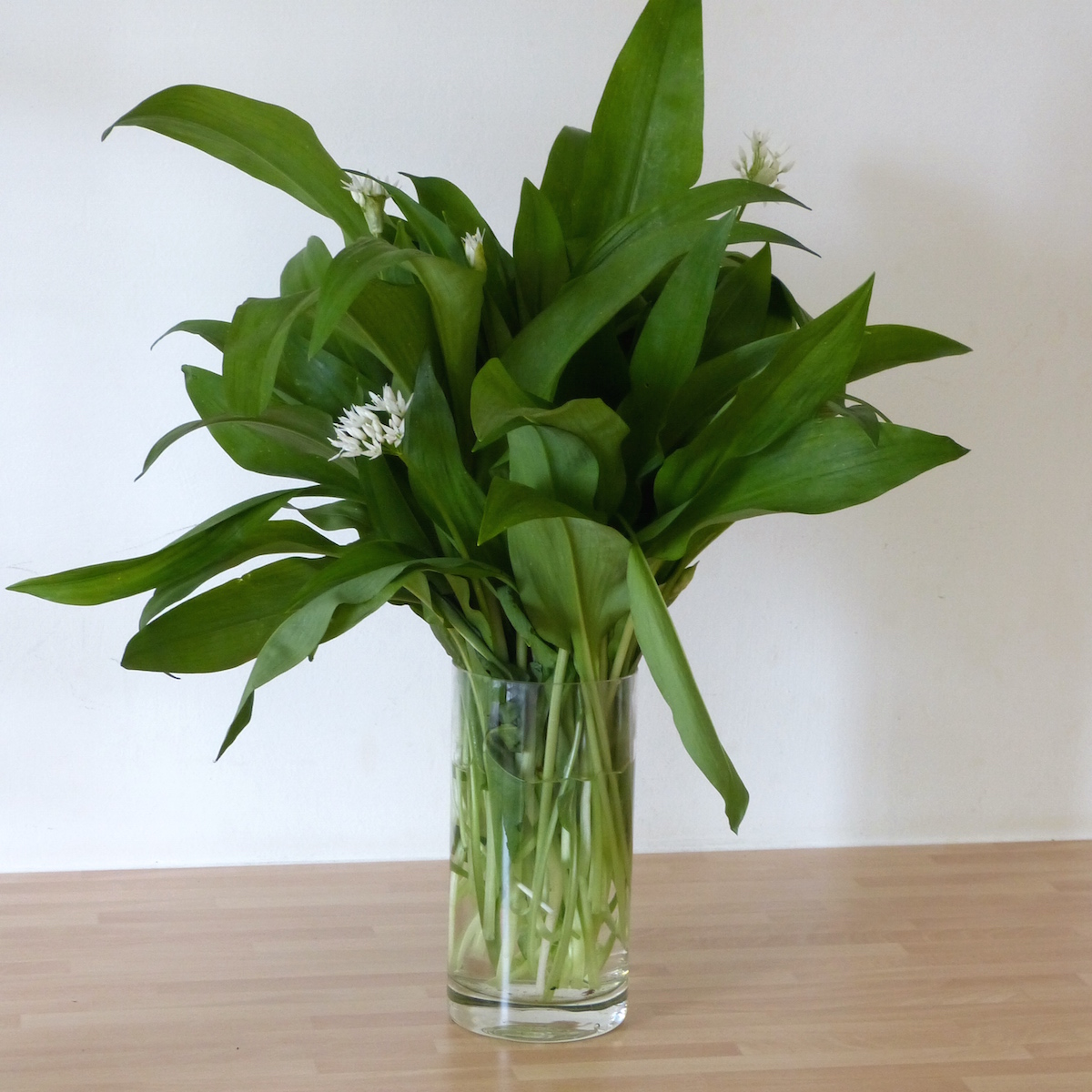
It will keep for two or three days in your kitchen, either in a loose bag in the fridge, or in water as shown here.
Eat it raw
Wash, chop roughly and add in small quantities to salads. The open flowers can also be added to salads, contributing beauty and an amazing peppery taste. 
Create a pesto
There are many recipes on the internet. My favourites don’t copy the classic basil pesto, but blend ingredients that perfectly suit garlic’s distinctive taste. This is a great example by Hugh Fearnley Whittingstall. Blend 50 g of lightly toasted and cooled walnuts in a food processor with around 75 g of washed and chopped garlic leaves, 35 g parmesan cheese, finely grated zest and juice from half an unwaxed lemon and around 130 ml of olive oil. Add sea salt and black pepper to taste. Spoon into a clean empty jar, and store in the fridge. It will keep for several days, but probably won’t last that long – too yummy! You can also freeze portions for up to six months, in my experience. Mix it with pasta or spread on crisp bread.
Cook it as a spring green
Wash and roughly chop leaves and stems, and simmer for a few minutes in a little water until soft and wilted. Make sure the pan doesn’t boil dry. The flavour when cooked is remarkably mild, making it a perfect spring vegetable. You can also add the washed, chopped leaves to a casserole for the last few minutes of cooking. You can create a soup with onion, a little potato, and lots of wild garlic with seasoning and a swirl of cream. Or you can simply add a single raw garlic bud to the centre of any soup as a peppery garnish.
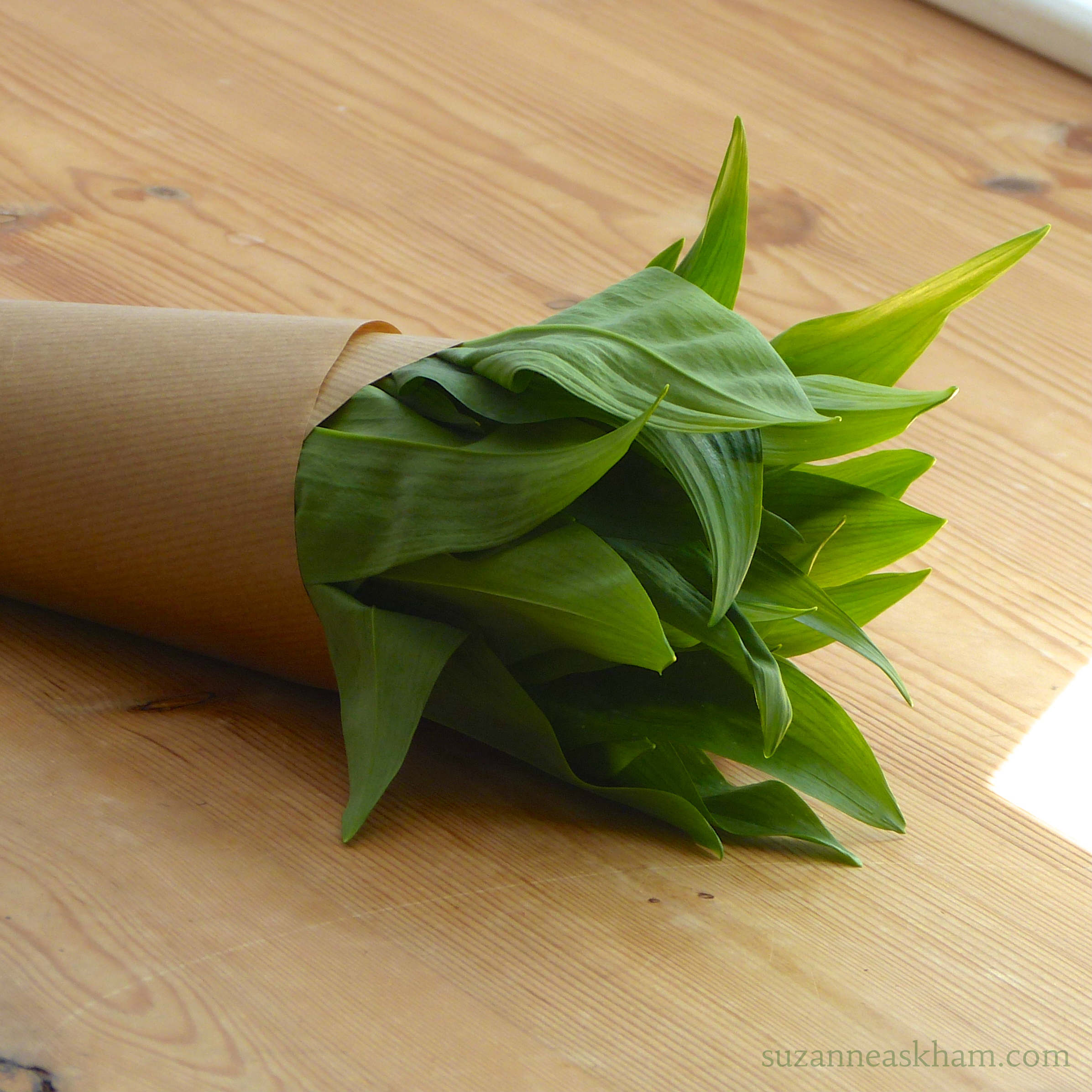
Give a truly fragrant gift
Wrap some wild garlic up in some brown paper and write some simple instructions on the paper. As gifts go, it’s a definite talking point, and you may even be introducing someone to a great spring ingredient. A jar of wild garlic pesto is another popular foodie gift.
Bask in the health benefits
Wild garlic is antibacterial and antiviral, and of all the allium family it is particularly good at lowering blood pressure. So it’s helpful for your immunity and your heart.
Spiritual: a quick definition
08/04/2015 at 4:27 pm | Posted in Uncategorized | 6 CommentsTags: chakras, inspiration, meditation, mindfulness, nature, peace, personal growth, self-awareness, Spirituality, wisdom

People often talk about being spiritual. Others deny that the spiritual realm even exists. But what does being spiritual actually mean? Here is a definition that works for me:
Beyond the levels of thinking and feeling lies pure consciousness, which we experience as pure love. Reaching this is spiritual transformation.
Once you’ve been there – really been there – you’ll always have it. It never goes away, although sometimes we manage to forget it for a while. However, we always remember sooner or later. It has a way of reminding us.
We get there by being fully present in the moment, and thus forgetting our ego-centred worries and desires. Looking at a beautiful aspect of nature – such as a flower, or a small child – can bring us to the shores of the spiritual realm. So, too, can a regular practice of meditation. Sometimes, this happens spontaneously, especially in those moments between sleep and waking. And it can also happen in extremis, when our ego-driven policies are no longer working for us, and we find ourselves yielding to a different, infinitely vaster view of the universe.

Next week a new, huge series of meditations begins in the Studio. Term by term, for seven terms, we’re going to focus on each of the main chakras – the energy centres that enable us to function in the physical realm, and also to develop our deeper understanding of life. This epic theme is designed to suit all levels of ability, and you can dip in and out as you wish. The intention is that we will focus ever more fully on the building blocks of our human psyche and our interface with the wider world.
This term, from now until July, we’ll be focusing on the base or root chakra, which is concerned with physical survival and manifestation. Join us whenever you can. And I hope you will experience the bliss of the spiritual, one word at a time.
Website Built with WordPress.com.
Entries and comments feeds.
 Suzanne Askham